Essential Signs Your Driveway, Patio, or Sidewalk Needs Professional Leveling
Concrete surfaces are built to last, but over time, weather and other conditions can take a toll. This guide will help you spot the common signs that your driveway, patio, or sidewalk might need professional leveling. You'll learn how to catch problems early, figure out what's causing them, and explore repair options. If you're ready to jump to solutions, consider reaching out to us for an inspection through our concrete leveling services. Let's dive into the signs you need to watch for.
Why Leveling Matters
Safety: Avoiding Trips and Falls
Uneven concrete is a trip hazard for everyone, especially kids and older folks. Raised edges or sudden drops can lead to falls and injuries. Fixing these issues quickly is a smart move for homeowners and property managers alike. A level surface means fewer accidents and better use of your walkways, driveways, and patios.
Boosting Property Value and Appeal
Well-kept concrete looks good and boosts property value. Cracks, sunken areas, and water puddles signal neglect to potential buyers. Leveling is often cheaper than a full replacement and can make your property more appealing. If you're selling or renting, leveling is a cost-effective way to improve looks and prevent buyer pushback.
Durability and Preventative Care
Proper leveling keeps things like water drainage and stress distribution in check, which helps prevent further damage. When a slab sinks or separates, water can get in and cause erosion and freeze-thaw damage. Timely leveling extends the life of your concrete and can save you from more expensive repairs down the road.
Signs Your Concrete Needs Leveling
Uneven or Sunken Slabs
If you notice one section of your concrete is lower than others, it might be time for leveling. This often happens due to soil settling or erosion. Catching these dips early can save you from bigger headaches later on.
Growing Cracks
Cracks in concrete are normal, but if they get wider or more numerous, it's time to pay attention. This could mean your slab is losing support. Getting these cracks checked out early can save you money and prevent more serious damage.
Water Pooling After Rain
If water pools after it rains, your surface may not be level anymore. These puddles are not just a slip hazard—they can speed up freeze-thaw cycles and damage your subbase. Fixing drainage and leveling issues together is important for long-lasting results.
Trip Hazards: Raised Edges
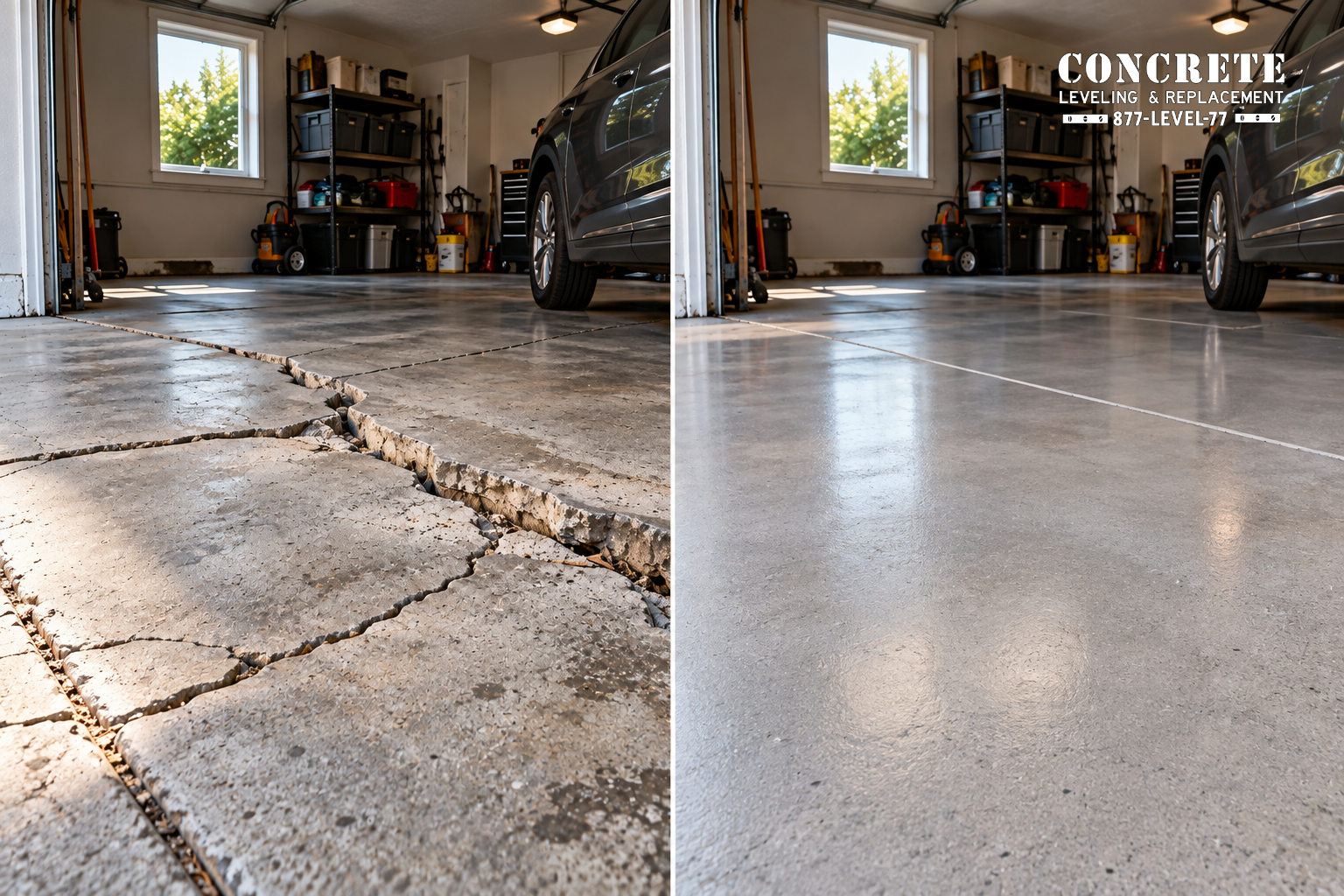
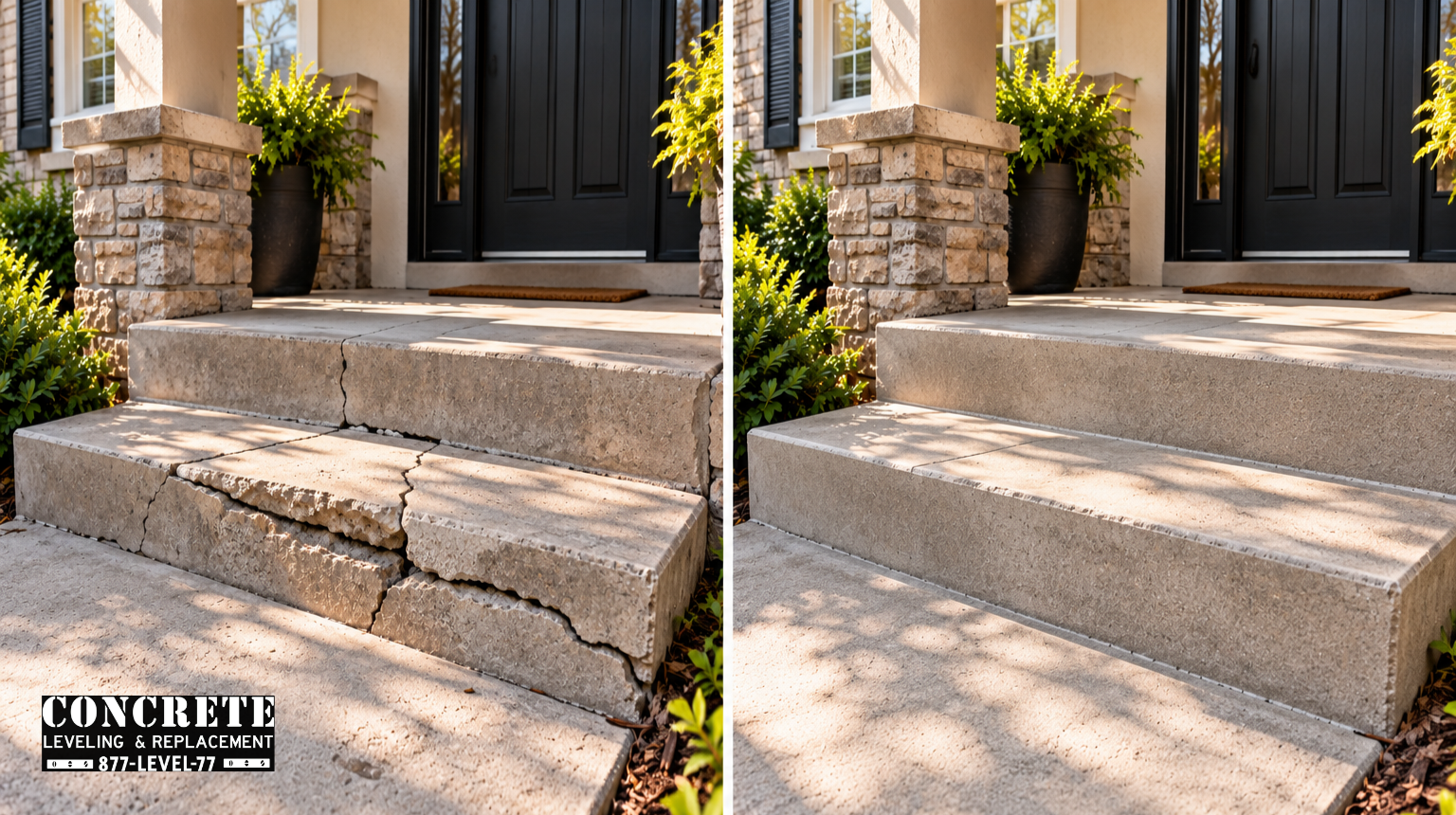
Raised edges where slabs meet are dangerous but can be quickly fixed with leveling. These lips form when one slab rises or another sinks, creating a trip hazard. Professional leveling smooths these out, making paths safer for everyone.
Gaps Between Slabs or Along Edges
Gaps between slabs can mean your concrete is moving or the ground is eroding. These gaps can collect water and debris, leading to further issues. Sealing these joints without addressing the cause is just a temporary fix; true repair means restoring support beneath the slab.
Why Concrete Becomes Uneven
Soil Settlement and Erosion
Soil naturally settles over time, and erosion can remove the small particles that support your concrete. This can lead to sagging slabs. For more on soil behavior, the U.S. Geological Survey offers detailed insights.
Freeze-Thaw Cycles and Weather Effects
In colder climates, freeze-thaw cycles are a big reason for concrete movement and cracks. Water seeps into the ground, freezes, and expands, which can push slabs upward. When it thaws, the ground can settle, leaving voids. Data from the NOAA can help predict areas at risk.
Poor Original Construction
If the base wasn't compacted properly during construction, your slab might lose support and start to sink. Fixing these issues often goes hand-in-hand with leveling to make sure the repair lasts.
Professional Solutions
Concrete Leveling and Mudjacking
Mudjacking involves pumping a slurry under the slab to lift and support it. This method is often cost-effective and less invasive than full replacement. Experts will assess the situation to see if this is the right solution for you.
Polyurethane Injection
Polyurethane foam injection is another popular method. The foam expands to fill voids and stabilize the ground. It sets quickly, allowing for fast use afterwards. The choice between polyurethane and other methods depends on your specific needs.
Diamond Grinding for Surface Issues
If only the surface is rough, diamond grinding can smooth it out without lifting the slab. This improves safety and rideability. You can learn more about diamond grinding on Wikipedia.
New Trends: Self-Leveling Solutions
New self-leveling compounds are making repairs quicker and longer-lasting. These products are growing in popularity, offering homeowners more durable options than ever. For more on these trends, check out this market research report.
Do You Need Professional Leveling?
DIY Checks
Walk around and check for sudden changes in height, water pooling, or widening cracks. Take photos and measurements to help technicians assess the problem.
Measuring Drops or Heaves
Use a straightedge and level to measure slopes or drops between slabs. Accurate measurements help professionals give precise estimates and choose the best repair method.
When to Call the Experts
If you see major issues like big height differences or cracks, it's time to call in the pros. For driveways, our concrete driveway repair services can help restore functionality and safety.
What to Expect with Professional Leveling
Inspection and Diagnosis
A qualified crew starts with a site assessment to find the root cause of the problem. This helps them recommend the best repair method and decide if leveling will work or if replacement is needed.
Process and Timeline
The repair process can take a few hours for small jobs or a couple of days for larger ones. Methods like polyurethane injections often allow quick use afterwards.
Costs and Lifespan
The costs vary based on the method and extent of the repair. Leveling is generally cheaper than replacement and can keep your concrete functional for 10 to 15 years with proper upkeep.
Real-World Examples: Romulus, MI
Case Study: Romulus Driveway
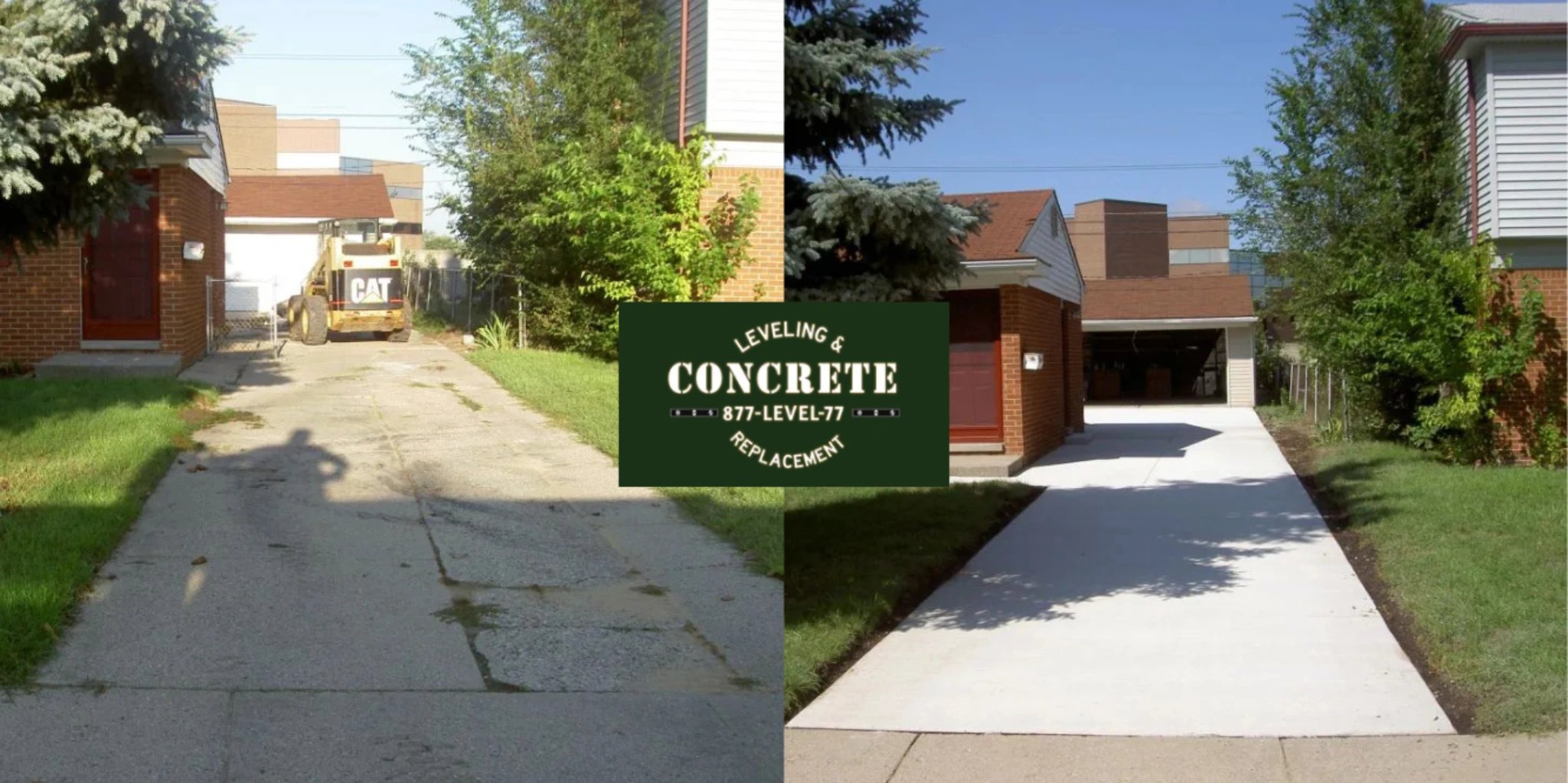
In Romulus, a homeowner dealt with water pooling and ice patches during winter. The problem was soil erosion under the driveway. Leveling fixed the grading and drainage, solving the issue without needing a full replacement.
Why Romulus Weather Matters
In Romulus, freeze-thaw cycles are common, affecting concrete and soil movement. Regular checks before and after winter can catch problems early.
Maintenance Tips
Keep water draining away from slabs, fix damaged joints, and avoid heavy vehicle idling on the same spot. For larger areas, consult experts in concrete floor repair for long-term strategies.
FAQ and Troubleshooting
Longevity of Leveling
Professionally leveled concrete can last 10 to 15 years or more if drainage and load issues are addressed. Regular inspections can extend this lifespan.
Can You DIY Leveling?
Minor repairs can be DIY, but significant leveling usually needs professional help. They have the right tools and know-how to fix the root causes.
Will Leveling Fix Garage Door Issues?
Uneven driveway slabs can misalign garage doors. Leveling can solve this, but a full inspection is needed to rule out other structural issues.
Does Insurance Cover Leveling?
Coverage depends on your policy and the cause of damage. Sudden damage might be covered, but gradual wear often isn't. Check with your insurer.
Choosing the Right Contractor
Check Experience and Methods
Choose a contractor with experience in both traditional and modern methods. Ask about materials, warranties, and whether they'll fix drainage and compaction issues.
Ask for References
Get local references or project examples. A contractor with experience in your area understands the challenges specific to your environment.
Plan for Maintenance
Discuss maintenance and post-repair recommendations. Contractors offering follow-up inspections show commitment to lasting results.
Next Steps
Knowing the signs that your concrete needs leveling—from sunken slabs to cracks and water pooling—helps you act before issues get worse. Understanding causes and repair options lets you choose the best solution for safety and function. If you're in the Romulus area and need an assessment, our team at Concrete Leveling & Replacement offers thorough evaluations. Schedule an inspection through our concrete pool deck repair page or learn more with our guide on Why Concrete Slabs Sink and How to Fix Them Efficiently.
For a quick, professional inspection and honest recommendations, contact Concrete Leveling & Replacement at (734) 895-3820 or email sales@concretelevelingpro.com. We serve Romulus and nearby Michigan counties, providing honest evaluations and practical solutions for your concrete needs.
External resources: For more on soil behavior and pavement grinding, check out the U.S. Geological Survey and NOAA, along with sites like Wikipedia for more info on concrete repair technologies.