A concrete patio does more than give you a place to set up furniture or grill on the weekend. When designed well, it becomes the backbone of a clean, functional outdoor space that feels organized, durable, and welcoming. For homeowners who want a low-maintenance surface that supports everyday living, concrete remains one of the smartest hardscaping choices available, especially when paired with thoughtful layout, color, and repair planning. If you're already thinking about patio improvements, services like patio repair and concrete leveling can help restore safety and performance before you invest in a bigger redesign.
These days, patio design is moving well beyond the plain slab. Multi-level layouts, earth-toned finishes, and stamped patterns are helping homeowners create outdoor living spaces that feel more intentional and connected to the home. These trends aren't just about appearance; they also improve traffic flow, define zones for dining and relaxation, and make outdoor areas feel easier to use every day. In a climate like Michigan’s, where freeze-thaw cycles can be hard on concrete, it's especially important to combine good design with practical maintenance and informed repair decisions.
For additional context on outdoor design and climate considerations, homeowners can also review guidance from trusted sources like the U.S. Environmental Protection Agency on landscape planning and water management, as well as the National Park Service for general concrete preservation principles. These references reinforce an important point: a good patio is not only attractive, but it is also built to perform.
Why Concrete Patios Remain a Top Choice for Outdoor Living
Durability that supports everyday use
Concrete patios are popular because they stand up to daily wear without demanding constant attention. They handle furniture, foot traffic, weather exposure, and seasonal changes better than many softer or less stable outdoor materials. That durability makes concrete a practical foundation for outdoor living spaces where families cook, gather, and relax throughout the year. When installed correctly, a patio can provide decades of dependable service with only basic care.
Another major advantage is that concrete isn't easily overwhelmed by the heavier demands of modern backyard living. Outdoor kitchens, fire features, and large dining sets all need a stable surface beneath them. A level, well-prepared slab gives homeowners confidence that their space can support these features without shifting or becoming uneven over time. This is one reason professional inspection and repair matter so much before adding expensive design upgrades.
Low maintenance without sacrificing style
Many homeowners want a beautiful backyard, but they don't want a landscape that requires constant upkeep. Concrete works well because it offers a clean look while staying relatively easy to maintain. Routine sweeping, occasional washing, and periodic sealing are usually enough to keep the patio looking sharp. For homeowners who value practical outdoor design, that balance of form and function is tough to beat.
Durability and low maintenance are also supported by industry discussions about concrete’s long-term value. Concrete patios can be cost-effective over time because they avoid frequent replacement and reduce the need for intensive upkeep. If your existing slab is still structurally sound, targeted services like sidewalk repair or porch repair can often address related trip hazards and settlement issues around the patio zone without requiring a full rebuild.
2026 Concrete Patio Design Trends Homeowners Are Asking For
Multi-level layouts that create better zones
One of the biggest patio trends is the move toward multi-level design. Instead of treating the patio as one flat rectangle, homeowners are dividing the outdoor area into distinct spaces for dining, lounging, cooking, and conversation. This layered approach adds visual depth and helps smaller yards feel larger because the eye moves through the space in stages. It also makes the patio more functional by giving each activity its own area.
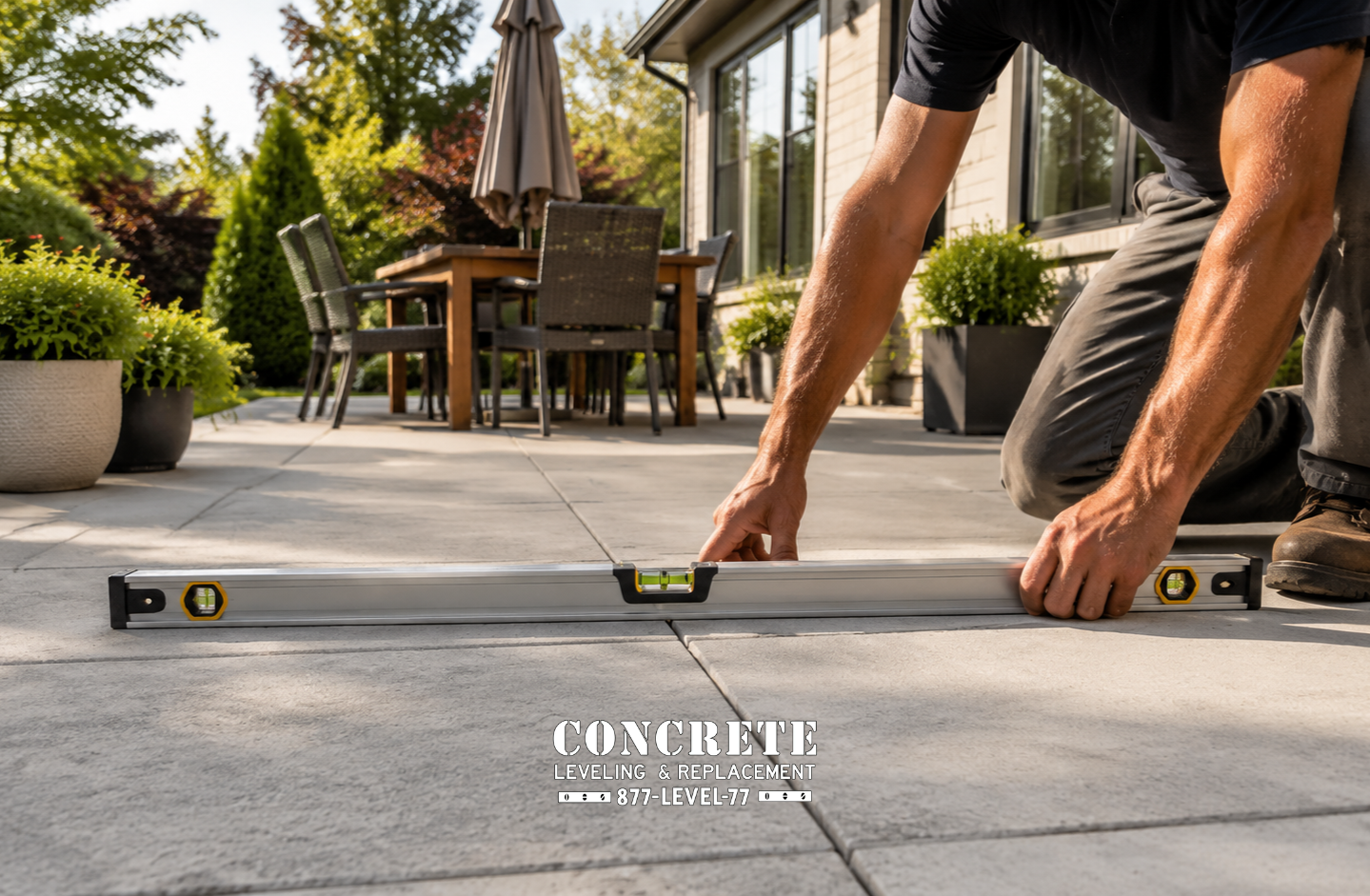
Multi-level patios are especially useful when the backyard needs to connect different features, such as a door, a garden path, a grill station, or a seating area. By creating subtle transitions, you can improve both movement and privacy. A professional assessment is helpful here, because elevation changes need to be built on a stable foundation. If the existing slab has settlement or slope problems, concrete leveling may be needed first so the new layout performs correctly.
Earth-toned colors for a softer outdoor feel
Neutral grays are still common, but earth tones are becoming more popular. Soft beige, clay, muted olive, and other natural shades blend better with wood accents, natural stone, and landscaping. These colors help the patio feel like an extension of the home rather than a separate surface floating in the yard. The result is a more relaxed and inviting outdoor atmosphere.
Color choices also influence how clean a space feels. Earth tones tend to hide minor dust, pollen, and everyday marks better than stark finishes, which can make the patio easier to maintain visually. Homeowners who want a timeless, grounded look often prefer these shades because they coordinate with both traditional and modern homes. When combined with landscaping and outdoor furniture, earth-toned concrete can create a unified design that feels polished without being formal.
Stamped concrete patterns that mimic natural materials
Stamped concrete remains one of the most requested options because it offers the look of stone, slate, or brick while maintaining the strength of concrete. Patterns like ashlar slate and cobblestone are particularly popular because they add texture and sophistication without the higher cost or maintenance burden of many natural materials. The surface still performs like concrete, but the finished appearance feels much more refined.
Stamped finishes are also useful when homeowners want visual interest without overcomplicating the design. A subtle pattern can define an outdoor room, guide foot traffic, and complement furniture choices. According to coverage from home design publications such as This Old House, concrete’s flexibility is one of its biggest strengths because it can be customized to match many styles. That versatility is a major reason concrete continues to lead in outdoor living design.
How a Concrete Patio Improves Functionality
Cleaner traffic flow and better layout
A well-planned patio creates order in the backyard. Instead of a patchwork of furniture sitting on grass, gravel, or uneven ground, the patio establishes a clear, stable surface that guides movement. That makes the space feel cleaner and easier to use, especially when the patio is connected to a back door, driveway, or side yard. For busy households, that kind of organization can make outdoor entertaining much less stressful.
Functionality also improves when the patio is shaped around real habits. For example, placing the dining area closest to the kitchen door reduces traffic congestion. Setting a lounge space away from the grill keeps smoke and foot traffic from interfering with guests. These small design choices make the patio more comfortable and help homeowners get more value from the square footage they already have.
Smarter use of outdoor rooms
The idea of outdoor rooms has become increasingly popular because homeowners want their backyard to feel like a natural extension of indoor living. A concrete patio provides the structural base for that transformation. Once the surface is stable, it can support defined zones, furniture groupings, planters, shade structures, and lighting. In other words, the patio becomes the floor of a true outdoor room.
This design mindset has gained attention in major markets, where homeowners are treating patios more like usable living areas than decorative spaces. A report from Axios noted that outdoor design is shifting toward fully defined rooms rather than open patios. That same principle applies anywhere a homeowner wants more comfort, more organization, and more year-round flexibility from the backyard.
Better compatibility with outdoor features
Concrete patios are highly compatible with modern outdoor features such as fire pits, grilling stations, dining tables, and built-in seating. Because the surface is stable and strong, it can support these additions without the shifting problems that can affect less durable materials. That matters when the goal is to create a clean, functional space that doesn't need to be reworked every season.
If the patio is already showing signs of cracking or sinking, it's best to address those issues before adding heavy features. Repairs such as concrete floor repair or targeted slab correction can restore the surface so design improvements are built on a safer, more reliable base. That approach saves money and helps the finished space last longer.
Cost, Value, and Long-Term Maintenance
What homeowners can expect to invest
The cost of a concrete patio typically ranges from about $6 to $20 per square foot, depending on finish, pattern, preparation, and complexity. A basic slab will generally sit at the lower end of that range, while stamped, colored, or multi-level designs cost more because they require additional labor and detail. Even so, many homeowners find concrete attractive because it delivers a strong return on durability and usability.
It's also important to think beyond installation price alone. A patio that holds up well over time may be more affordable than a cheaper material that needs frequent replacement or constant maintenance. When a surface is already in place but losing performance, repair can be a smart middle ground. In many cases, fixing settlement or cracks is more cost-effective than rebuilding the entire outdoor area from scratch.
Sealing and seasonal care
Concrete patios are low-maintenance, but they aren't maintenance-free. Periodic sealing can help protect against stains, moisture penetration, and weathering. This is especially important in regions with heavy rain, snow, or freeze-thaw stress, where moisture can enter small openings and make damage worse over time. A proper seal can extend the life of the patio and preserve its appearance.
According to concrete preservation guidance from the Federal Highway Administration, moisture management and material performance are key factors in concrete durability. While highway standards are not the same as residential patios, the principle still applies: good drainage, proper installation, and periodic maintenance all matter. Homeowners who stay ahead of sealing and cleaning usually get better long-term results from their patios.
Why repairs often deliver strong value
Patios don't always need full replacement. Many problems begin with minor settlement, a joint issue, drainage concern, or localized cracking. Addressing those problems early can protect the structure and improve how the patio looks and functions. For homeowners in Michigan, that can be especially important because weather shifts and soil movement can accelerate damage if left alone.
This is where professional evaluation makes a difference. A crew that understands the difference between cosmetic wear and structural failure can recommend the right path forward. If the patio surface is uneven, repair may be the priority; if the surface is sound but visually dated, finishing upgrades may be the better investment. That practical approach is central to smart outdoor design.
Why Proper Installation Matters in Michigan’s Climate
Freeze-thaw cycles and moisture control
In Michigan, concrete patios face more than everyday wear. Freeze-thaw cycles can expand and contract moisture inside the slab, which increases the risk of cracking, spalling, and movement. Poor drainage makes the problem worse because water can collect around or beneath the patio and destabilize the base. That's why installation quality is just as important as design style.
Homeowners should also pay attention to grading, joint placement, and subgrade preparation. These details may not be visible once the patio is complete, but they strongly affect how long it lasts. For a region like Romulus, where seasonal changes are significant, a patio that is installed with proper slope and sealing has a much better chance of staying clean, level, and usable for years.
Signs the patio needs attention
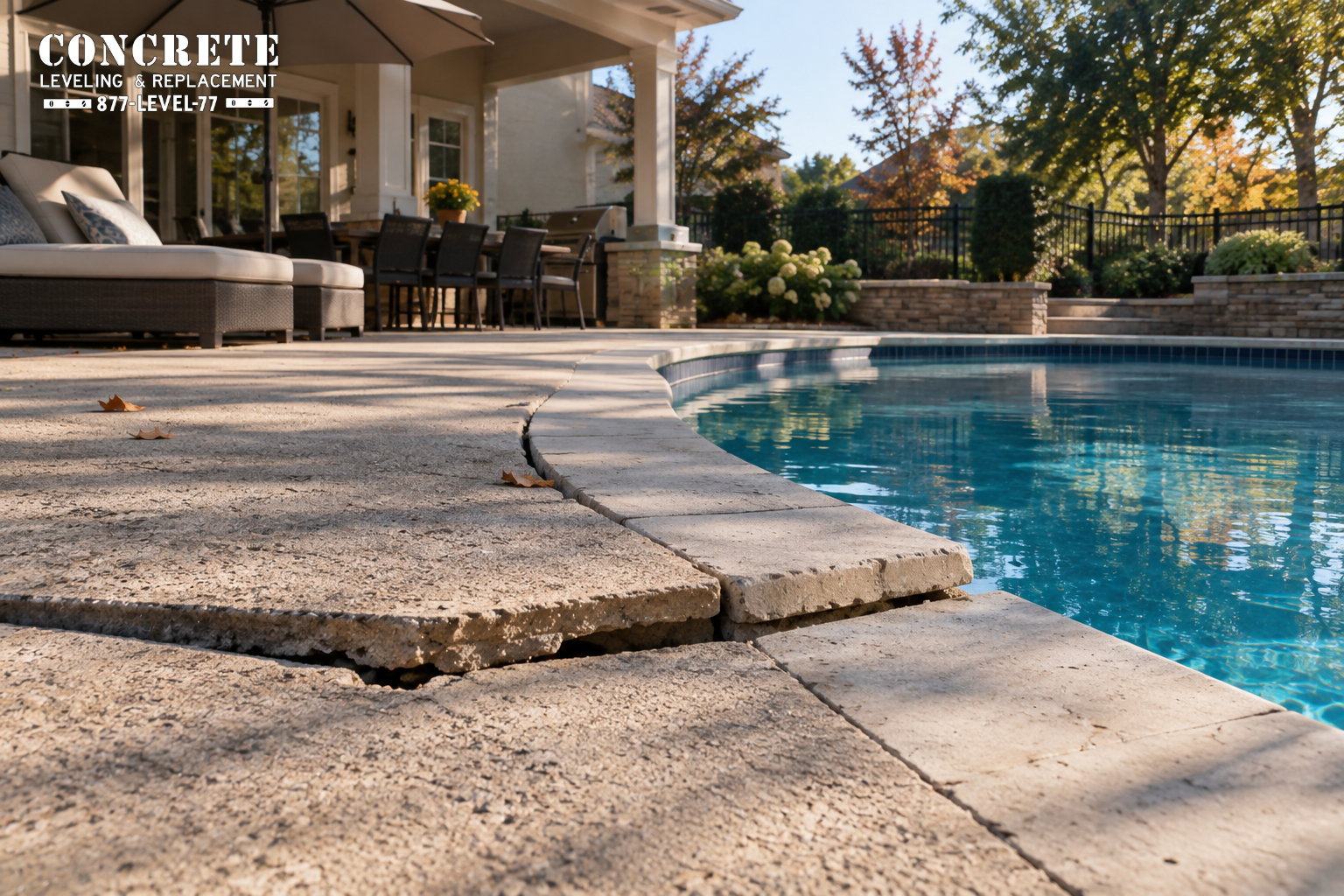
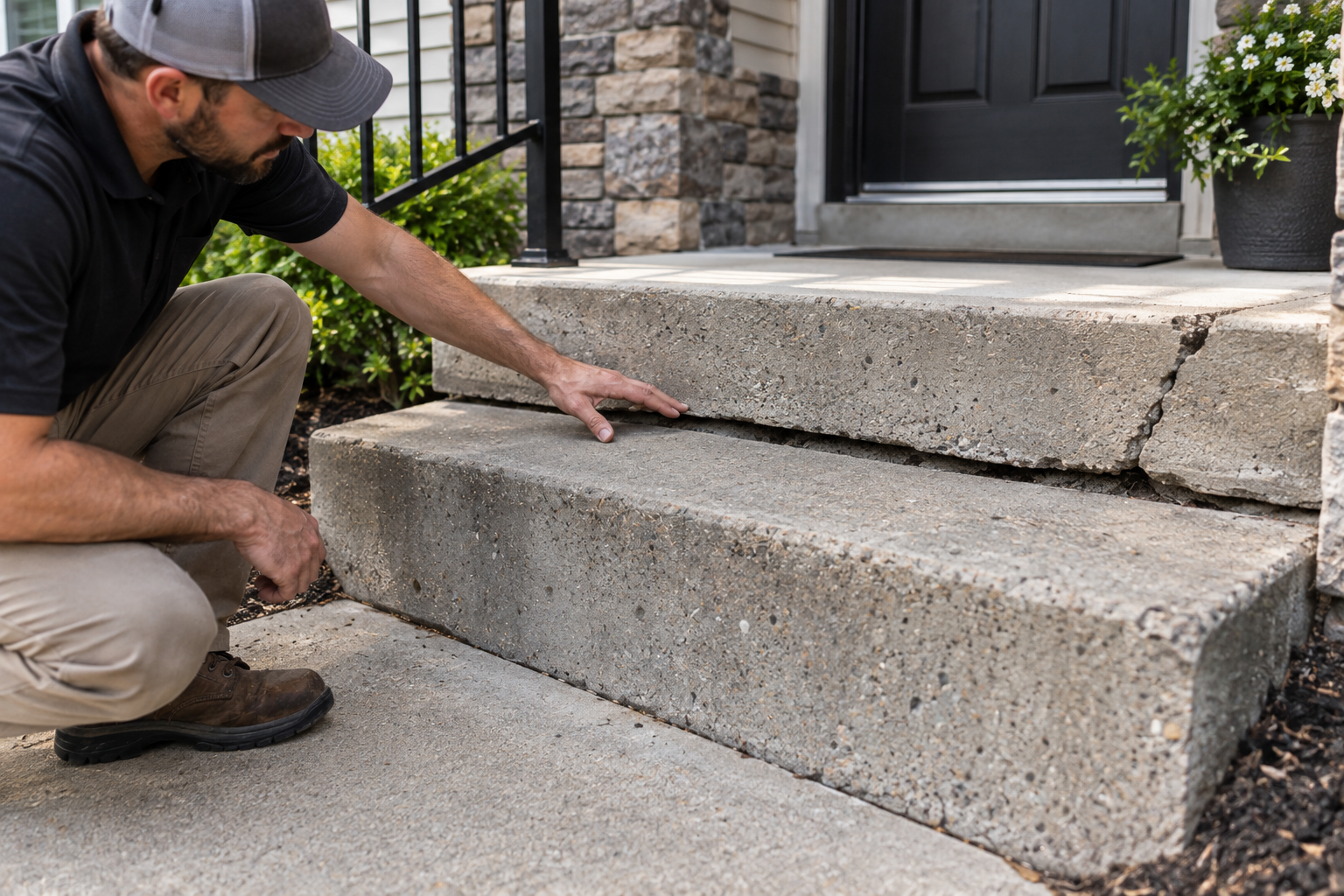
Common warning signs include cracking, standing water, sinking sections, and gaps near the house or adjacent walkways. These problems may seem minor at first, but they often signal underlying settlement or drainage trouble. If they are ignored, the patio can become less safe and less attractive, and future repairs may become more expensive.
Homeowners who notice these symptoms should consider a professional inspection before adding new features. Services such as garage floor repair and interior floor repair may seem unrelated, but they reflect the same principle: concrete performance depends on early intervention and proper support. The same logic applies outdoors, where small issues can become bigger structural concerns if they are not addressed.
Design Ideas That Make a Patio Feel Clean and Functional
Use simple furniture groupings.
A clean outdoor space doesn't have to be bare. In fact, the best patios usually look organized because the furniture is arranged with intention. Keep walking paths open, group seating around focal points, and avoid overcrowding the slab. A few well-chosen pieces will almost always look better than too many items squeezed into the space.
Simple furniture groupings also make cleaning easier. When objects are spaced with enough room to move around them, sweeping and washing take less time. That practical benefit matters because a patio is most enjoyable when it feels easy to maintain. The cleaner the layout, the more likely homeowners are to use the space regularly.
Blend concrete with landscaping.
Concrete works best when it is paired with softscape elements that break up the hardness of the slab. Plant beds, shrubs, ornamental grasses, and container gardens add texture and color. This balance keeps the patio from feeling too severe and makes the whole outdoor area appear more welcoming. Earth-toned concrete is especially effective here because it connects naturally with greenery and wood.
Many homeowners also use edging, border bands, or small planting zones to frame the patio visually. These touches create a polished look without requiring constant upkeep. In sustainable landscape planning, a thoughtful blend of hardscape and plant material can also support better runoff control and a more comfortable outdoor environment. The Arbor Day Foundation offers helpful general information about how trees and landscaping contribute to functional outdoor spaces.
Add lighting and subtle structure.
Lighting can make a concrete patio feel cleaner and more usable in the evening. Low-voltage path lights, wall lights, or string lighting can define edges without cluttering the space. If the patio includes multiple levels or separate zones, lighting helps guide movement and reinforces the design. It also improves safety, which is especially helpful when the surface is used after dark.
Additional structure can come from low walls, planters, pergolas, or built-in benches. These features should support the layout, not overwhelm it. When the hardscape and design elements work together, the patio becomes more than a slab; it becomes a true outdoor living area with clear purpose and visual order.
Real-World Lessons from Modern Patio Design
Tuscan-inspired warmth and timeless comfort
One of the most appealing patio styles draws from a Tuscan-inspired aesthetic. Warm surfaces, rustic furnishings, and soft, welcoming textures create a sense of old-world comfort. A concrete patio can easily support this look when it is finished in earthy tones and combined with stone-like textures or relaxed décor. The result is a space that feels elegant without being overly formal.
Design coverage from Homes & Gardens shows how romantic, Mediterranean-inspired outdoor spaces are influencing patio choices. That trend works particularly well with concrete because the material can imitate natural stone while keeping costs and maintenance in check. Homeowners who want a cozy, inviting backyard often find this style to be a great fit.
Defined outdoor rooms that feel larger
Another useful lesson from modern patio design is that smaller yards can feel bigger when spaces are clearly defined. Multi-level patios, distinct seating areas, and purposeful transitions make a yard feel organized rather than cramped. The eye interprets structure as spaciousness, which is why even modest patios can have a high-end look when the design is deliberate.
This is where concrete shines. Because it can be shaped, colored, and finished in different ways, it supports a wide range of layouts without sacrificing strength. Whether the goal is a quiet morning coffee zone or a larger entertaining area, the patio can be designed to serve the household’s actual routine instead of forcing everyone into one generic space.
When to Repair, Resurface, or Replace
Repair is best for localized issues.
If the patio has minor cracks, small settlement areas, or isolated drainage problems, repair may be the best choice. Targeted fixes restore function without the cost and disruption of a full replacement. This approach is often ideal when the slab is otherwise structurally sound, and the homeowner wants to preserve as much of the existing patio as possible.
Professional evaluation helps determine whether the problem is cosmetic or structural. If the patio has enough sound concrete to justify restoration, repair can be a smart investment that improves safety and appearance at the same time. In many cases, the best outcome comes from correcting the base issue first and then refining the look afterward.
Replacement makes sense when damage is widespread.
When concrete is severely cracked, badly settled, or beyond practical restoration, replacement may be the better long-term solution. This is more likely when the patio has major base failure, repeated water intrusion, or widespread deterioration from age and weather exposure. While replacement costs more, it can provide a fresh start and allow for a more modern design that better fits the property.
Choosing between repair and replacement shouldn't be based on appearance alone. A clean-looking patio can still hide structural issues, while a weathered patio may still be structurally solid. A knowledgeable contractor will evaluate drainage, soil behavior, and slab condition before recommending the most practical option.
Conclusion: A Concrete Patio Builds Beauty, Order, and Everyday Value
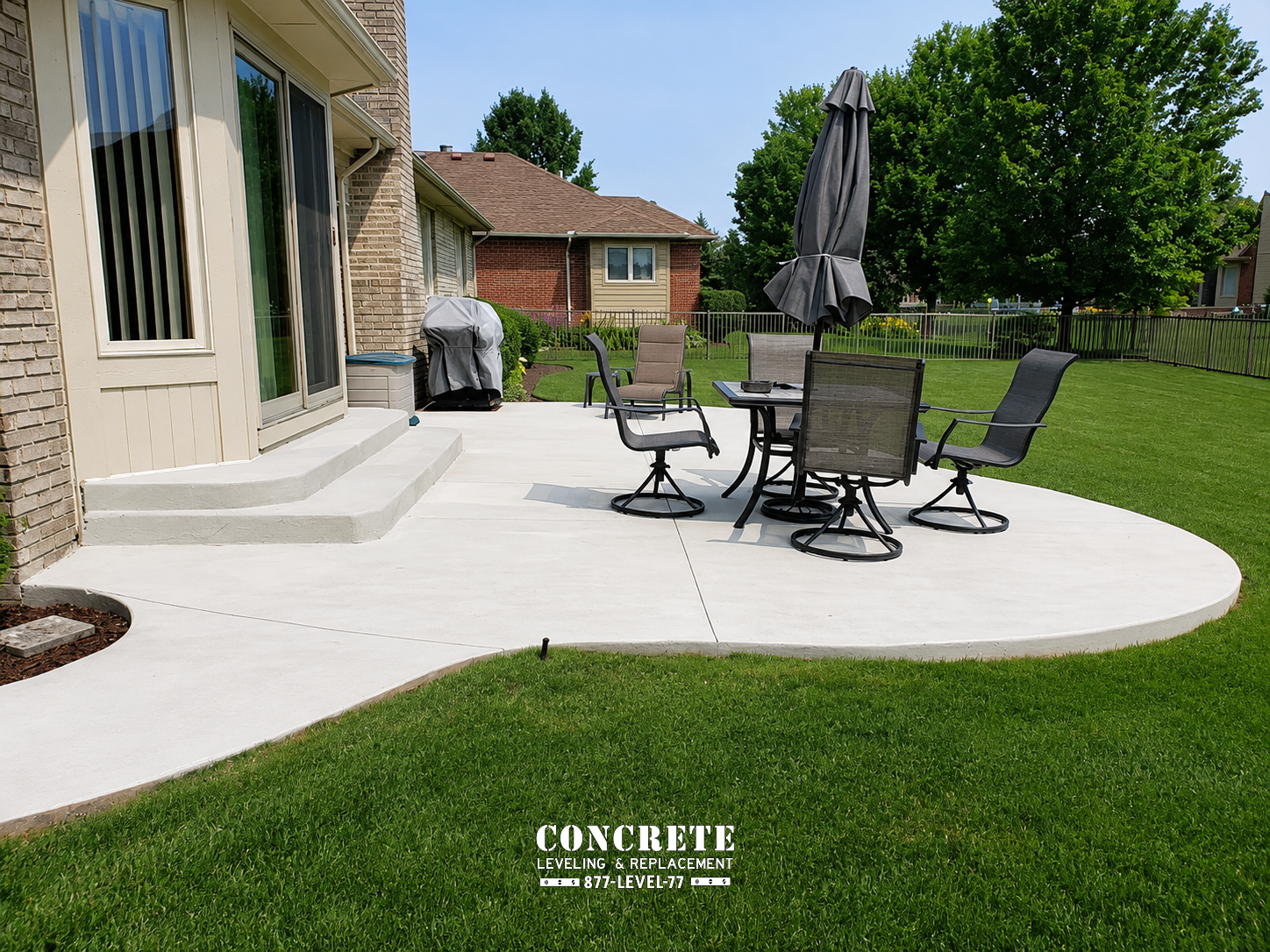
A concrete patio creates a clean and functional outdoor space because it combines durability, flexibility, and visual simplicity in one surface. With the right design, it can define outdoor rooms, improve traffic flow, support entertaining, and add lasting value to the home. These days, the most effective patios aren't just flat slabs; they're thoughtfully planned living spaces that reflect how families actually use their backyards.
If you're considering a patio upgrade, start by looking at the condition of the existing concrete. If the slab is sinking, cracking, or draining poorly, it may need professional attention before any design improvements are added. Services like catch basin repair can help address drainage concerns nearby, while patio and leveling services can restore the surface itself. The right solution depends on the condition of the concrete and the goals for the space.
At Concrete Leveling & Replacement, we help property owners make practical decisions that improve safety, function, and appearance. If you want a patio that looks better, works better, and lasts longer, now is the time to take a closer look at your concrete. Contact our team to schedule an evaluation and start planning a cleaner, more functional outdoor space.