Garage Floor Cracking and Sinking? Here’s When It’s Time to Have It Repaired
Your garage floor works hard. It supports cars, tools, and maybe even serves as a workspace or laundry area. So, when cracks or sinking appear, it’s more than just an eyesore—it might indicate a deeper issue with the soil or drainage underneath.
If you've noticed widening cracks or doors not closing right, it could be time for a pro to check it out. Sometimes, a repair can fix things up without a full replacement, especially if you catch it early. Understanding the signs is key to maintaining the value and safety of your space. For more info on garage floor repair or concrete floor repair, keep reading.
Ever wonder why concrete settles over time? It's often because of soil movement, water issues, or bad compaction. The National Institute of Standards and Technology says moisture and environmental changes can affect building materials, which is why regular attention is crucial. Let’s dive into what to look for and when repair makes sense.
Why Garage Floors Crack and Sink
Soil Movement Beneath the Slab
The trouble usually starts underground. If the soil shifts or erodes, the concrete can lose its support, leading to visible cracks. This is common in areas with unstable soil or drainage issues. Even small changes can cause problems over time. An early inspection can help you figure out if the damage is isolated or part of a bigger issue.
Water Intrusion and Drainage Problems
Water can wreak havoc on concrete. If it flows toward your garage, it can weaken the soil beneath. Over time, repeated wetting and drying can reduce the strength of the base material. In colder months, frozen water can expand and worsen the situation.
Drainage issues often go unnoticed because the damage happens slowly. Sloping driveways, clogged gutters, or poorly placed downspouts can all contribute. For tips on managing runoff, check out the U.S. Environmental Protection Agency. If water isn’t handled properly, fixing the floor might only be part of the solution.
Poor Compaction or Original Installation Issues
Sometimes, the problem starts from the beginning. If the base wasn’t compacted correctly during construction, the ground may settle years later. This can happen in both new and older homes, especially with additions built on disturbed soil.
The concrete might look fine at first, but a season of harsh weather can reveal the underlying issues. That’s why it’s important to go beyond surface fixes and understand the root cause.
Signs Your Garage Floor Needs Repair
Cracks That Widen or Keep Returning
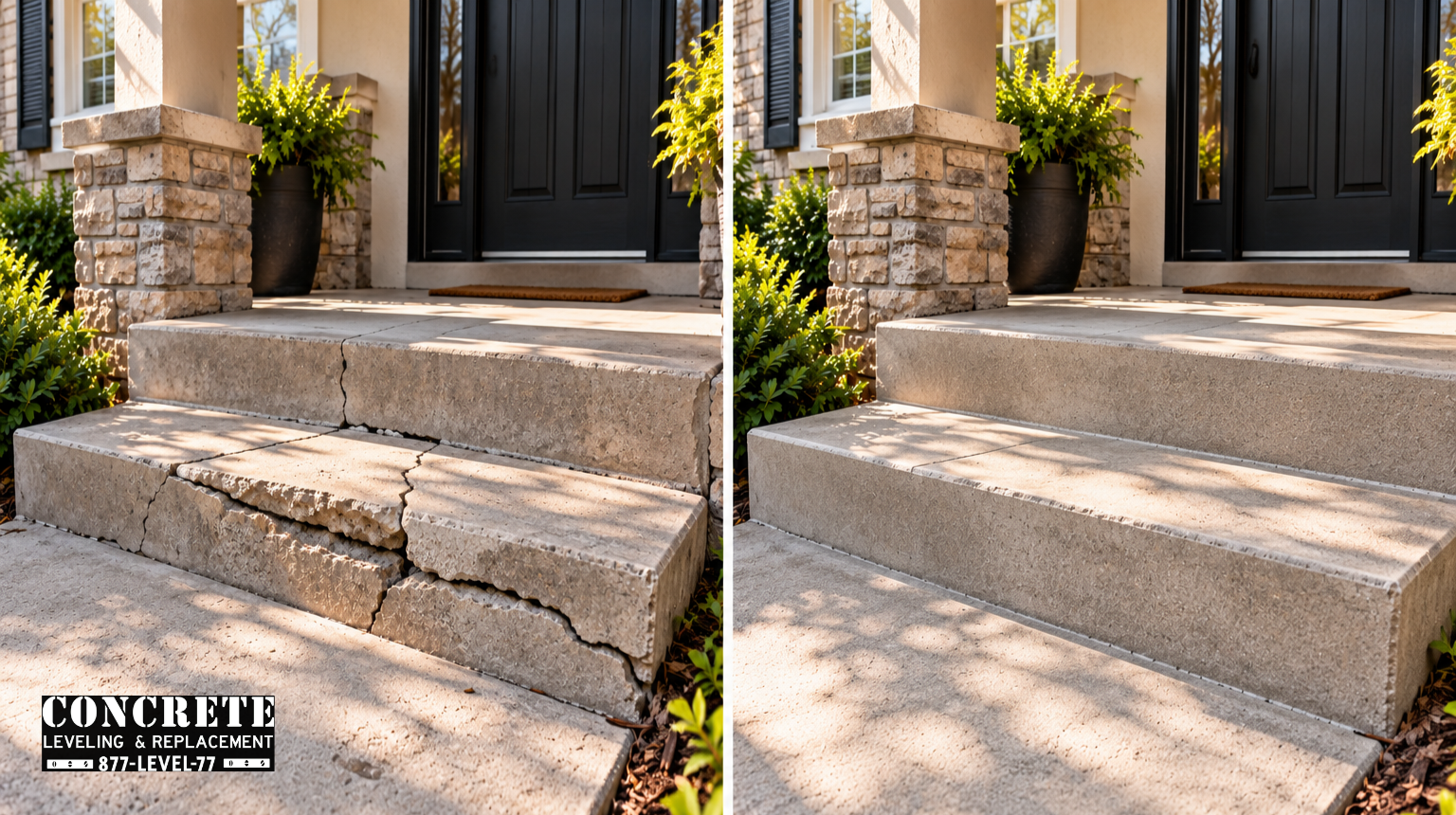
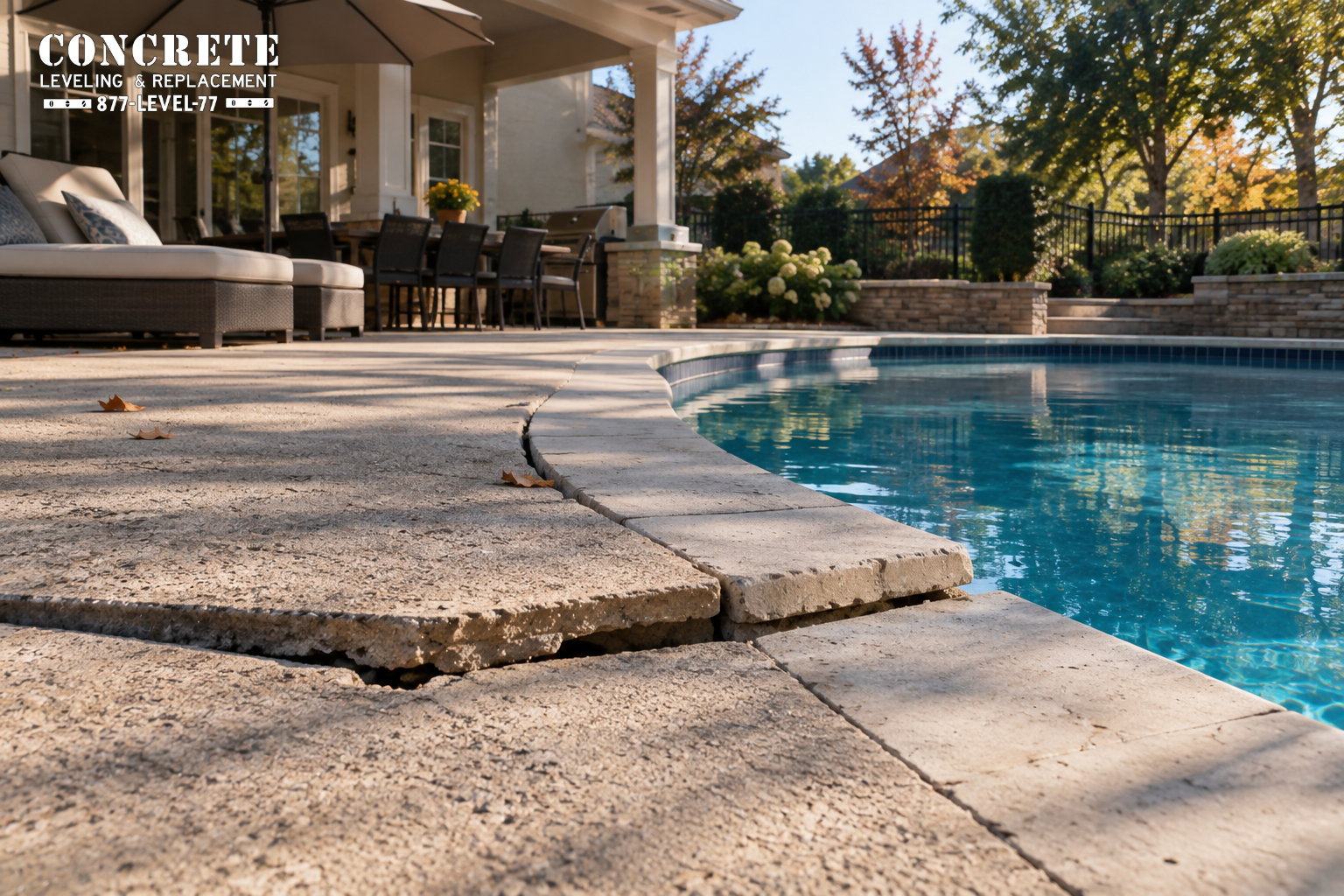
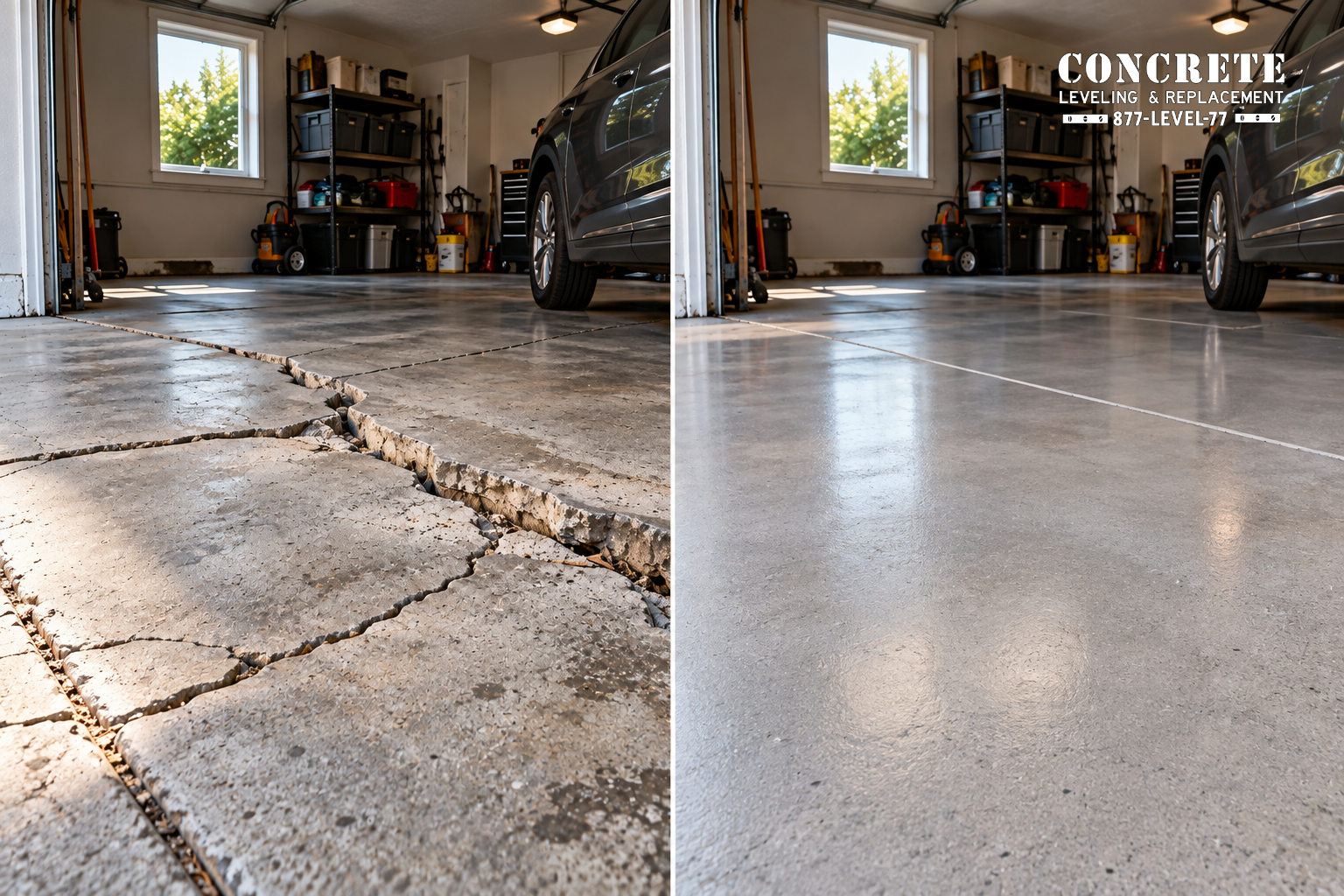
Cracks are normal in concrete, but watch out for ones that widen or reappear after being filled. These can signal a loss of support underneath. Pay attention to cracks that shift vertically—they often indicate a repairable settlement issue. Early intervention with concrete leveling can prevent further damage.
Uneven Surfaces and Sloping Panels
If your floor feels sloped or uneven, it’s likely a warning sign. You might notice dips where cars park or sections that collect water. These aren’t just cosmetic issues; they can affect safety and how your garage functions.
Uneven floors are tough on vehicles and equipment. If the floor causes standing water or cleaning difficulties, it’s time for an inspection. A technician can decide if leveling, repair, or replacement is the best fix.
Doors, Trim, and Walls Showing Stress
Sometimes, the first signs are in the surrounding structures. You might notice a rubbing door or gaps in trim joints. In attached garages, this movement can transfer to the house.
These symptoms suggest more than a surface crack; they may point to structural movement. That’s why a full inspection is crucial before deciding on repairs.
When Repair Is Better Than Replacement
The Damage Is Localized
If only part of your garage floor is affected, repair often makes more sense than replacement. Stabilizing the damaged section can be more efficient and less disruptive. A professional assessment can determine if repair is the right choice.
You Want to Restore Function Quickly
If you rely on your garage for storage or access, a quick repair might be better than waiting for a full replacement. Especially in commercial settings, quick solutions can keep operations running smoothly.
Many explore alternatives before committing to demolition. Options like interior floor repair can solve issues without the hassle of full reconstruction.
Replacement Is Usually Reserved for Severe Structural Failure
Sometimes replacement is necessary, but it shouldn’t be the go-to option. If the slab is severely damaged, replacement might be needed. However, if it's mainly a settlement issue, repair can often extend the life of the slab.
Contractors assess the damage to decide if the concrete is worth saving. Replacement tends to be more costly and time-consuming, so the goal is to find the most practical solution.
How Professionals Diagnose the Problem
Checking Slab Movement and Surface Elevation
Diagnosis starts with measuring the elevation changes. A technician might use levels or lasers to see how far one area has moved compared to another. This helps distinguish normal cracks from ones that need fixing.
The movement pattern often tells a story. Settlement near the door might suggest drainage issues, while a low spot in the center might indicate voids. The goal is to find the root cause, not just the symptoms.
Looking at Surrounding Conditions
Garage floor issues rarely happen alone. The landscape, gutters, driveway slope, and nearby structures all play a role. A contractor should check for pooling water or washed-away soil.
This approach is especially important when the garage is connected to other surfaces like driveways or walkways. If one slab sinks, others might be at risk too. That’s why many homeowners consider concrete driveway repair or sidewalk repair when planning repairs.
Determining Whether Leveling, Repair, or Replacement Is Best
Once the problem is clear, the next step is choosing the right fix. Some floors benefit from leveling, while others need crack repair or stabilization. In severe cases, replacement might be the only option.
An honest evaluation is key. A contractor who only offers one solution might not be giving you the full picture. At Concrete Leveling & Replacement, we recommend what actually fits the floor’s condition. Our crew’s recommendations are based on what’s needed, not on selling a big project.
Repair Methods That Can Restore a Garage Floor
Concrete Leveling and Slab Lifting
Concrete leveling can effectively fix a sunken garage floor. It lifts the slab back to its original position, removing trip hazards and improving drainage. It's often the most practical alternative to replacement.
Leveling works best when the concrete is in decent shape, and the main issue is support below. The contractor might fill voids to stabilize the area, making the repair more durable.
Crack Sealing and Joint Repair
Crack repair isn’t a standalone solution, but it's important. Sealing cracks can prevent water and debris from worsening the repair. Joint repair protects the slab edges and maintains the floor’s look.
If your garage floor supports adjacent areas, related work like concrete floor repair can keep the whole surface safer.
Drainage Corrections and Preventive Fixes
A good repair considers prevention. If drainage is part of the problem, the contractor might suggest grading changes, extending downspouts, or improving gutters. Without this, even the best repair can be stressed by recurring water issues.
Think of prevention as protecting your investment. A stable base, good drainage, and proper surface care all work together to extend the floor’s life.
What Happens If You Ignore the Damage
Safety Risks Increase Over Time
A cracked or sinking floor is more than a maintenance issue. It can cause trips, make moving heavy items harder, and increase fall risks. If the garage is a main entry point, these risks affect everyone.
Sloping slabs can also make vehicles sit unevenly or cause water to flow toward the house. These issues become more difficult and costly to manage over time. Fixing the floor early saves money and reduces secondary damage.
The Damage Can Spread
When one section settles, stress often transfers to surrounding concrete. That can lead to larger cracks, broken edges, and wider instability areas. In attached garages, movement might affect nearby foundation elements.
Ignoring settlement won’t make it go away—it tends to get worse until the repair is more complex. Early inspection is valuable. A simpler repair is often easier to complete than a major reconstruction later.
Costs Usually Rise with Delay
Concrete problems are cheapest to address when first noticed. A slightly out-of-level slab is easier to fix than one that’s been settling for years. Once issues spread, repair options may narrow.
Waiting can also affect related surfaces. If the garage floor sinks due to poor drainage, other areas might be at risk too. That’s why many choose a broader assessment when they first see signs of trouble. Early action can prevent replacement across multiple surfaces.
How Concrete Leveling & Replacement Helps Property Owners
Honest Evaluations Based on Real Conditions
Concrete Leveling & Replacement helps property owners understand what’s happening beneath their slabs. Our team focuses on practical solutions, not recommending more work than needed. We look at the floor, drainage, and damage type before suggesting a plan.
This approach matters to homeowners and commercial clients. A garage floor that can be saved should be saved. A slab that needs replacement should be identified clearly. The goal is to give you a straightforward answer based on experience.
Experience with Both Repair and Replacement
With over 25 years of experience in concrete leveling and replacement, we know when each option makes sense. Some floors respond well to lifting and stabilization; others need a different approach. Recommendations match the concrete’s condition and long-term use.
If there are issues elsewhere, like a sinking sidewalk or driveway, exploring solutions like porch repair or patio repair might help. Many concrete settlement problems are connected, and solving them together can yield better results.
Local Service Without Unnecessary Extras
Our crews are located throughout Michigan, so we can travel without adding extra costs when possible. This keeps service practical and accessible for those who need quick help. We serve residential and commercial clients across several counties, giving us broad experience with local conditions.
Check our counties we serve page to see if we cover your area. If you're in Romulus, connect with our local team for an assessment. A timely visit can make the difference between a manageable repair and a bigger project.
FAQ: Garage Floor Cracking and Sinking
Can a Sinking Garage Floor Be Repaired Without Replacement?
Yes, many can be fixed without replacing the whole floor if the concrete is sound. The best option depends on the slab’s movement, its cause, and whether the soil can be stabilized. An inspection is the easiest way to find out.
Are Garage Floor Cracks Always Serious?
No, not all cracks are major problems. Hairline cracks are common. Cracks that widen, reappear, or show vertical displacement are more concerning. These signs often mean the slab is moving.
How Do I Know If Drainage Is Causing the Issue?
If water pools near the garage or flows toward the slab, drainage might be to blame. Check downspouts, grading, and the driveway slope. Moisture issues often cause settlement and should be addressed along with the concrete repair.
Should I Repair a Garage Floor Before Winter?
Often, yes. Cold weather can worsen cracks because water expands when it freezes. If the floor is settling, winter may speed up the damage. Repairing early can help reduce further movement and protect the slab.
Conclusion: Know When to Take Action
A cracked or sinking garage floor doesn’t always need a full replacement, but it shouldn’t be ignored. Early identification of settlement or drainage problems increases your chances of saving the slab. In many cases, repair can restore safety, improve looks, and extend the concrete's life.
If your garage floor shows signs of movement, have it inspected by someone who understands both symptoms and causes. Whether the solution is leveling, crack repair, drainage correction, or full replacement, a clear evaluation helps you decide confidently. If you’re ready to explore your options, garage floor repair from a trusted local team might be the smart next step.
For professional guidance, contact Concrete Leveling & Replacement at (734) 895-3820 or email sales@concretelevelingpro.com. Visit us at 30443 Ecorse Rd, Romulus, MI 48174 to learn more about practical concrete solutions to protect your property long-term.