Your garage entrance is more than just a link between your driveway and your home or business. It adds to your property's curb appeal, handles daily traffic, and protects the areas that get the most wear and tear. When cracks, settling, or other damage appear, it can make your whole property seem run-down, even if the rest of your concrete looks fine. Luckily, you might not need to replace everything; professional repairs can often bring back both the look and function you're after.
This guide will help you spot the warning signs, understand why damage happens, explore repair options, and get the most out of fixing your garage entrance before things get worse. We'll also talk about how services like concrete driveway repair, concrete leveling, and garage floor repair can work together to create a more polished and safer entrance. Noticing uneven slabs, cracks, or drainage issues? You're in the right place.
Why Garage Entrance Damage Happens
Soil Movement
Garage entrances are vulnerable because they are the transition point between the driveway and the garage. They deal with vehicle loads, temperature changes, and moisture. If the soil beneath the concrete shifts or compacts unevenly, your slab can settle in one spot while another stays put, creating the noticeable lip or dip many notice first.
The U.S. Geological Survey says land subsidence and ground movement can occur for various reasons, like water-related soil changes. While not every garage issue is due to major subsidence, if the ground underneath shifts, the concrete will eventually show it.
Water and Drainage Issues
Water is a big enemy of concrete. If it pools near your garage, it can seep into cracks, weaken the support soil, and worsen settling over time. Poor grading, clogged drains, or downspouts too close to the slab add to the risk. In colder areas, standing water can freeze, making the damage worse each winter.
Because of this, many garage entrance problems relate to drainage issues. Sometimes, a repair plan will include fixing the concrete and improving water flow around the structure. If nearby pavement needs help, sidewalk repair can boost overall safety and looks.
Heavy Use and Wear Over Time
Garage entrances face regular abuse from vehicles, storage, and foot traffic. Over time, this can open up joints, erode surfaces, and spread cracks. Older slabs are more prone to issues, especially if poured on poorly compacted fill or with inadequate drainage.
Often, the problem isn't a single failure but a mix of small issues. A minor crack lets in moisture. A dip holds water. Water weakens the support soil. Eventually, the entrance looks rough and feels unsafe. Catching these patterns early is crucial to avoid costly repairs later.
Signs Your Garage Entrance Needs Attention
Visible Cracking and Flaking
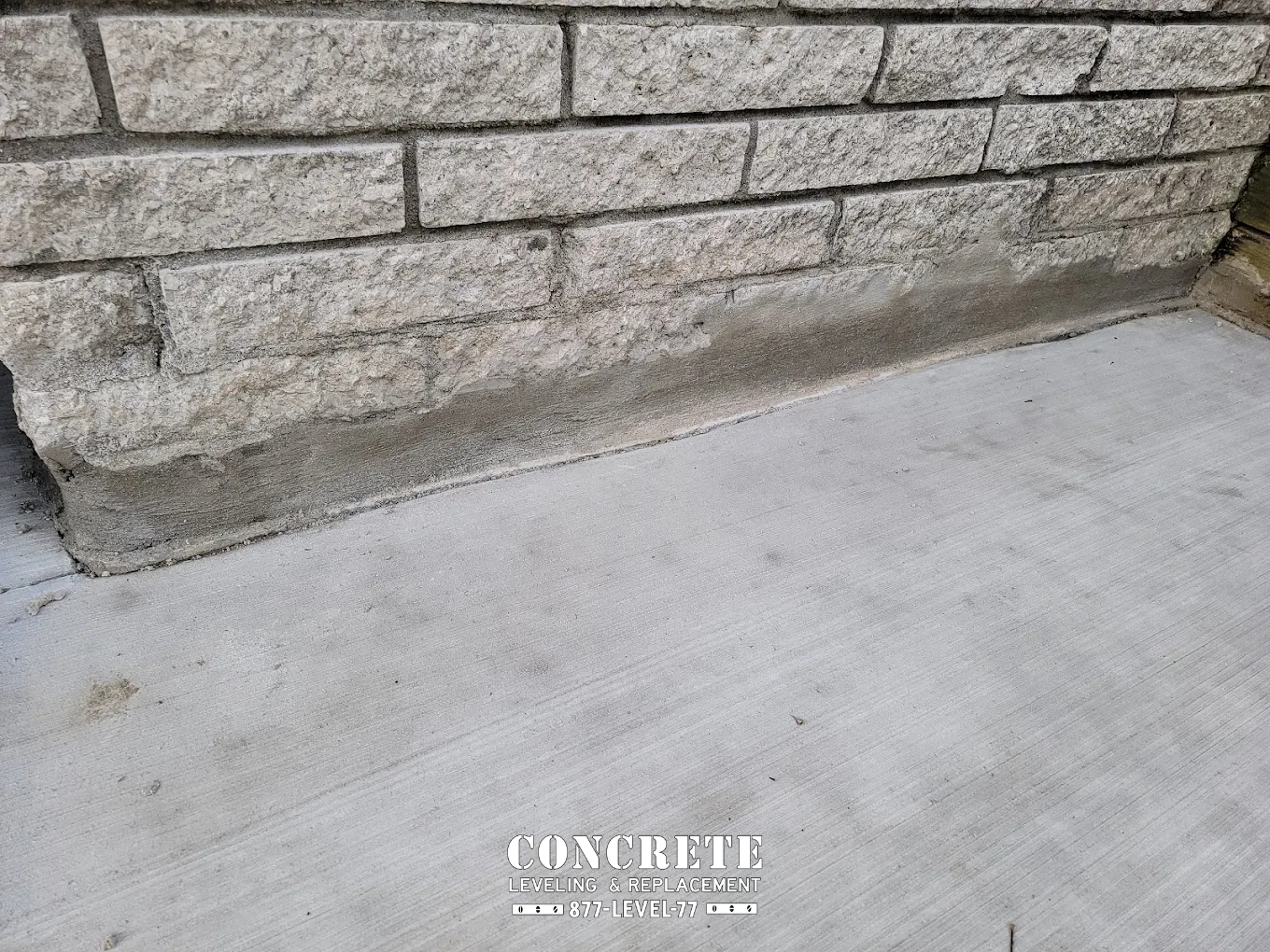
Hairline cracks in concrete are common, but not all should be ignored. If cracks widen, branch out, or chip at the edges, the slab may be under stress. Surface flaking can indicate freeze-thaw damage, poor finishing, or moisture intrusion. These aren't just cosmetic issues—they often mean the concrete is losing strength.
If cracks are near the garage threshold, the issue might be related to settlement or stress. That's when a professional assessment is key. A trained contractor can decide whether to lift, patch, or partially replace the slab based on its condition and the soil beneath.
Uneven Transitions and Trip Hazards
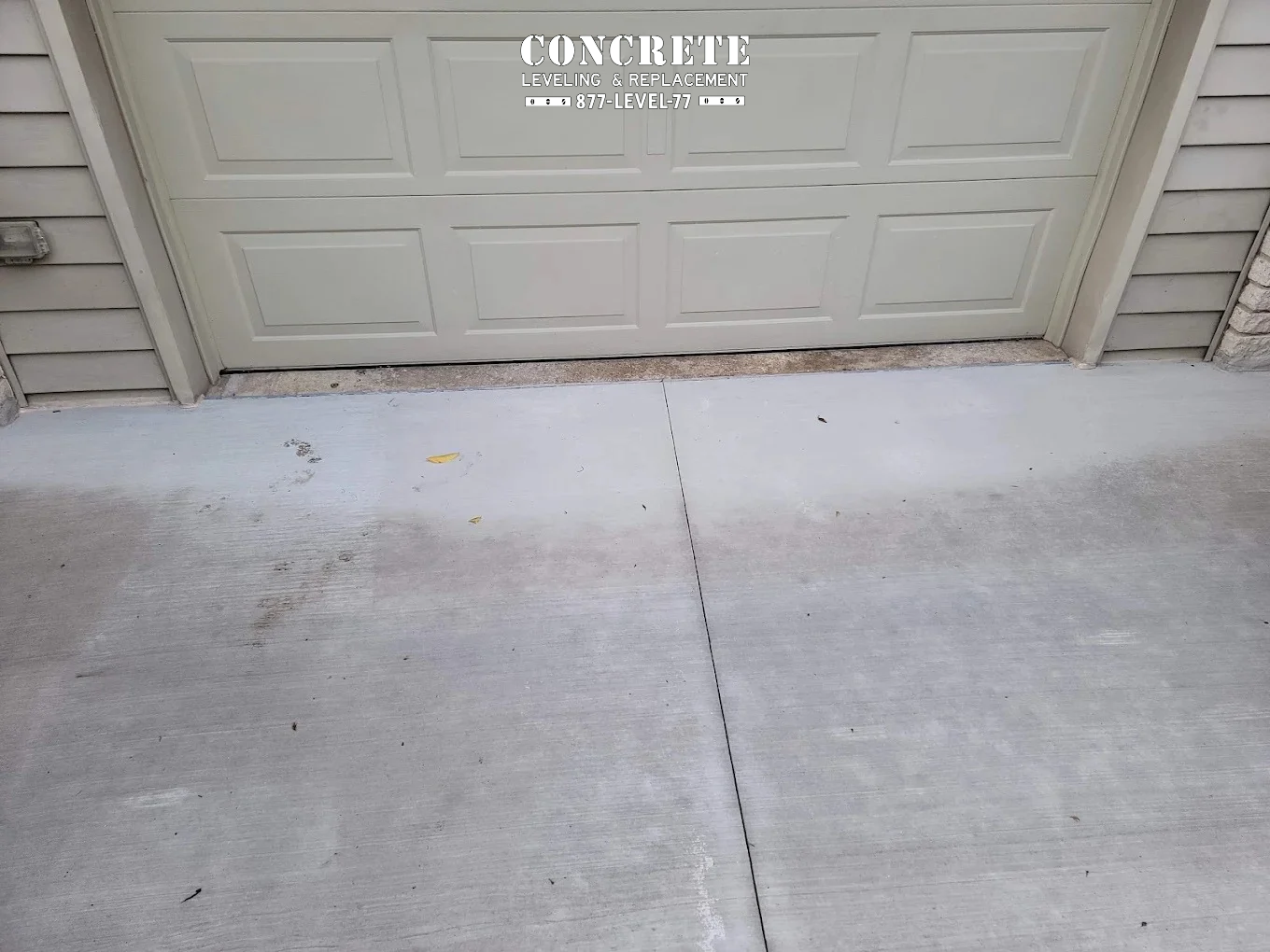
A garage entrance higher on one side isn't just an eyesore; it can be a trip hazard. It might cause scraping, tire wear, and water problems at the garage door seal. Even a slight elevation change is noticeable when driving in and out daily.
This is a clear sign that concrete leveling might be needed. Leveling can restore the slab without the cost and hassle of replacement. For places with connected surfaces, combining the work with interior floor repair or nearby slab repairs can create a consistent result.
Ponding Water and Door Clearance Issues
If water sits at the entrance after rain or snow, there's likely a slope or drainage problem. Standing water can seep inside, stain the concrete, and weaken the soil beneath. It might also make it hard for the garage door to seal properly, leading to drafts and pests.
Garage door clearance can also be a sign. If the door drags, or one side opens tighter than the other, the concrete may not support the opening evenly. That's a strong reason to inspect the area before misalignment affects the door system.
Repair Options for a Better Look and Performance
Concrete Leveling for Settled Slabs
If your garage entrance has sunk but the concrete is still structurally okay, leveling is often the best choice. This process lifts the slab back to the right height, improving safety and removing the uneven look that makes the entrance seem neglected. It can also help with drainage.
Leveling works well when damage is due to voids or settlement rather than severe structural breakdown. It's a practical fix for those wanting results without a full demolition. If the driveway has settled too, pairing this with concrete driveway repair can create a seamless transition from street to garage.
Crack Repair and Surface Restoration
Not all garage entrance issues need lifting. Some slabs need crack repair, patching, or surface restoration to boost durability and appearance. These repairs reduce water intrusion, slow deterioration, and create a cleaner finish. They often go with leveling or sealing for a complete solution.
Surface restoration can also improve curb appeal. A smooth, well-cared-for garage approach sends the right message to guests, tenants, or customers. When the entrance is part of a larger concrete system, like a porch or walkway, coordinated repairs might include porch repair or patio repair to keep the whole front area consistent.
Partial Replacement for Severe Damage
Sometimes concrete is too damaged for leveling or patching. If it's broken, crumbling, or missing large sections, partial replacement might be a better investment. A skilled contractor can remove only the bad part and rebuild it, often saving time and money compared to replacing the whole apron.
Partial replacement addresses structural failure without unnecessary work. It's also a chance to improve the base, slope, and joint design so the new concrete performs better than the old. This practical approach is why many choose companies offering both repair and replacement.
How Professional Repair Boosts Curb Appeal and Safety
A Cleaner First Impression
The garage entrance is highly visible, especially when visitors arrive. If it's cracked or sunken, the whole front can seem neglected. A repaired entrance instantly makes the property look more maintained and valuable, even if the project is small.
This visual boost matters for homes and businesses. Homeowners may want a more welcoming look, and businesses might want to signal reliability and professionalism. The garage entrance often plays a bigger role in curb appeal because it sits right in the line of sight and frames the rest of the façade.
Safer Foot and Vehicle Traffic
Uneven concrete is a real hazard. People can trip on raised edges or lose footing on sloped, cracked surfaces. Drivers can experience awkward bumps when entering and leaving, especially in low-clearance vehicles. Over time, these hazards can become costly if they lead to injuries or damage.
Professional repair removes these risks, creating a more level, predictable surface. That's especially important in areas with frequent use or changing weather. When the entrance is safer, the whole property becomes easier to navigate and more comfortable to use.
Better Drainage and Less Long-Term Damage
One hidden benefit of repair is improved water management. A leveled or rebuilt slab can direct runoff away from the structure instead of allowing it to collect at the threshold. That reduces the chance of freeze-thaw damage and moisture intrusion inside the garage.
For broader drainage issues, contractors may suggest work on nearby features. For instance, curb and gutter repair or catch basin repair can help control stormwater on a commercial site. While not every property needs these, they can be crucial when water management is an underlying problem.
What to Expect During a Professional Assessment
Inspection of the Slab and Surroundings
A good assessment starts with a close look at the concrete. Contractors should check crack size and direction, settlement amount, joint condition, and any drainage failures. They should also examine nearby pavement, downspouts, and grading to identify the cause, not just the symptom.
This matters because the right fix depends on the problem's source. A crack from aging concrete differs from one caused by voids. A settled edge near the garage door may need leveling, while a broken apron may need replacement. Honest diagnosis prevents wasted money and helps owners make smarter decisions.
Recommendations Based on Actual Need
Many property owners appreciate contractors who offer solutions based on the concrete's condition, not commission. The right fix could be a simple repair, a level-and-seal approach, or a more involved replacement.
For larger properties, the assessment might include surrounding hardscapes. If the entrance is part of a commercial or industrial site, repairs may need coordination with parking areas, loading zones, or adjacent slabs. In these situations, services like factory floor repair or concrete floor repair might be relevant to the broader maintenance plan.
Clear Scope, Timing, and Budget Discussion
Professional repair should come with a clear explanation of the work, duration, and expected outcomes. That includes whether the work is best completed in phases or all at once, and realistic expectations about cosmetic improvement versus structural correction.
Understanding the scope helps homeowners and property managers plan around access, vehicles, and weather. This clarity helps prevent surprises. The goal is not just to fix the concrete, but to make the process straightforward and easy to manage.
Garage Entrance Repair for All Property Types
Residential Garage Approaches
For homeowners, garage entrance repair is about safety, curb appeal, and convenience. The driveway-to-garage transition should feel smooth, not jarring. If concrete is sinking or cracked at the threshold, tasks like snow shoveling and parking become more difficult.
Repair also protects property value. A clean, level entrance suggests the home has been cared for, which matters if you plan to sell. In neighborhoods where appearance is important, the garage approach makes a subtle but noticeable difference.
Commercial and Rental Properties
For commercial properties, the stakes are higher because customers, employees, and delivery drivers use the entrance daily. A damaged approach can create liability concerns and leave a poor impression. It can also interfere with operations if vehicles must slow down or reroute.
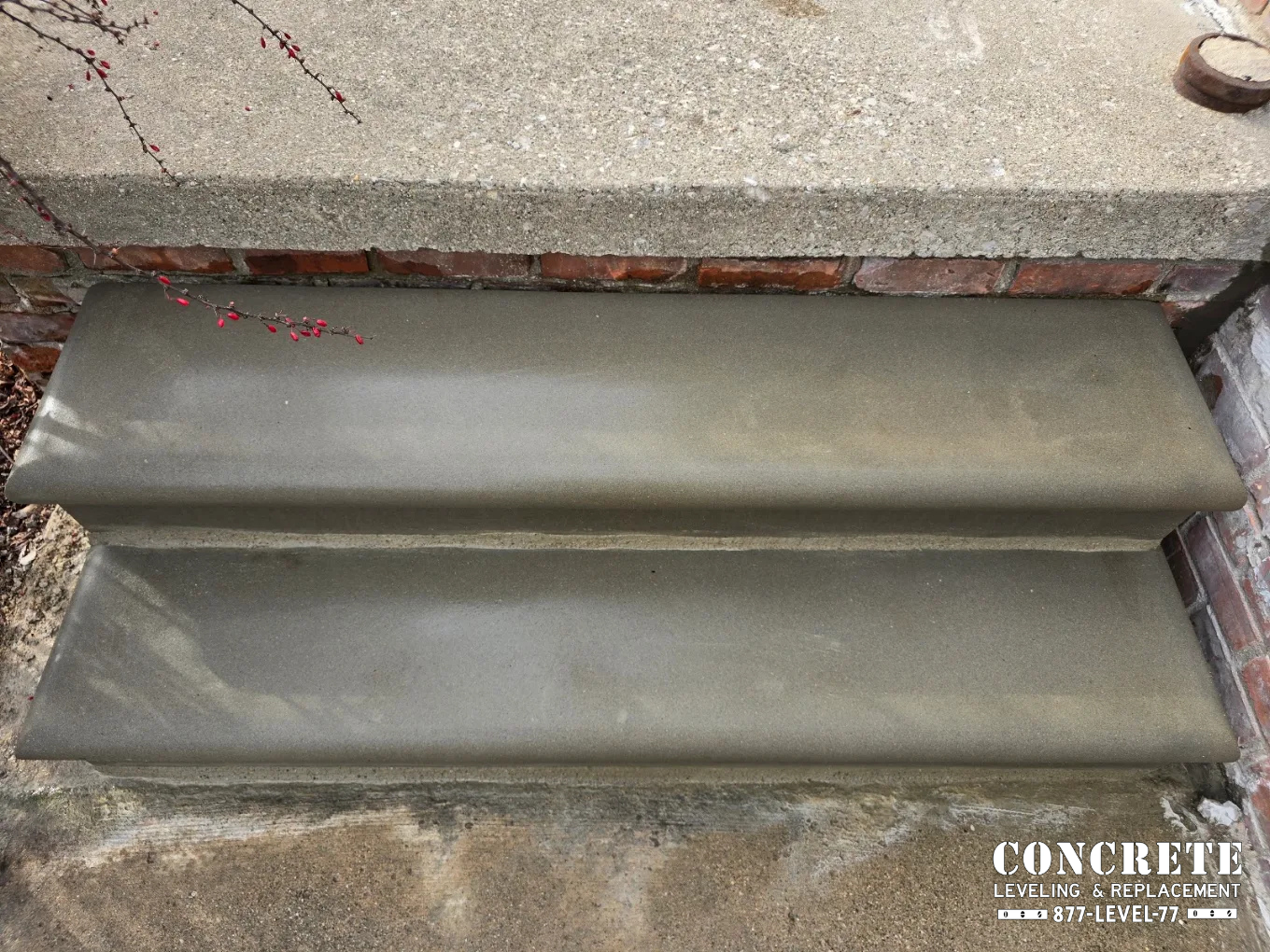
Rental and multi-unit properties need the same attention because tenants expect safe access. If a property includes walkways, entry steps, or loading areas nearby, it might make sense to coordinate with step repair or sidewalk repair for a safer and more consistent access route.
Industrial and High-Traffic Sites
Industrial environments stress concrete with forklifts, trucks, pallets, and heavy loads. A garage entrance or bay threshold in these settings may deteriorate faster. Repair planning should account for load demands, turning movements, and maintenance cycles.
Industrial owners benefit from preventive work because small failures can quickly affect operations. If the entrance area is part of a larger equipment path or shipping route, even modest settlement can be a costly disruption. A targeted repair now is more efficient than dealing with downtime later.
How to Make Repairs Last
Fix Drainage Before New Damage
Concrete repair works best when you address the causes of failure too. If water is pooling near the garage, the new or repaired slab may face the same problems. That's why grading improvements, gutter adjustments, and downspout extensions are often part of the conversation.
Even simple changes make a big difference. Redirecting water, keeping joints clean, and checking for low spots after rain are practical ways to extend the repair's life. Preventive care doesn't have to be complicated to be effective.
Seal and Maintain the Surface
Sealing concrete helps reduce moisture penetration and wear. While sealers aren't a fix for structural issues, they provide extra defense against stains, minor abrasion, and winter weather. Regular maintenance also gives you a chance to spot new cracks before they expand.
This upkeep is important in freeze-thaw climates. Small defects that are easy to ignore in summer can worsen once temperatures change. A little seasonal attention goes a long way.
Choose Repair Methods That Fit
The most durable result comes from choosing the right solution, not the fastest. Leveling is ideal for settled slabs with good structure. Replacement is better for badly failed sections. Crack repair works when concrete is otherwise sound. A thoughtful contractor will explain which option fits your entrance and why.
This practical approach is why many property owners look for local experts who understand regional soil and weather conditions. To learn more about service availability in your area, check our counties we serve page for details and local support.
FAQs About Garage Entrance Concrete Repair
Can a Sunken Garage Entrance Be Fixed Without Replacement?
Yes, often it can. If the slab is still sound, leveling can restore elevation and improve safety. Replacement is only needed when the concrete is too broken, unstable, or deteriorated to repair well.
How Long Does the Repair Process Take?
That depends on the area's size and repair type. Some leveling jobs finish quickly, while patching or replacement may take longer. Weather, access, and base condition can also affect timing.
Will Repair Improve My Garage Entrance's Look?
Absolutely. Even if the main goal is structural, the visual improvement is often immediate. A straighter, cleaner entrance can make the whole front of the property look better maintained and inviting.
What If the Damage Keeps Coming Back?
If the area keeps failing, the underlying cause might not have been fixed. Drainage issues, poor soil support, or heavy loading could be part of the problem. A complete evaluation can reveal if another repair method would work better.
Give Your Garage Entrance a Fresh Start
A damaged garage entrance doesn't have to stay that way. With the right repair plan, you can smooth the surface, improve drainage, reduce safety concerns, and give your property a cleaner, more finished look. Address the problem early, before minor issues turn into a bigger project.
At Concrete Leveling & Replacement, we focus on honest recommendations and practical solutions that fit your concrete's condition. Whether you need leveling, repair, or partial replacement, our team can help you find the most effective path forward. If your garage entrance is showing its age, now's the perfect time to act and protect your property's value.
Ready to improve your garage entrance? Contact us today to schedule an evaluation and see if repair can give your concrete a fresh new look without the cost of a full replacement.