Why Replace Your Entire Patio? Concrete Repairs Might Be the Answer
If you’re dealing with a cracked or uneven patio, tearing the whole thing out might not be your only choice. Often, just fixing the specific spots can make your patio safe again, look better, and last longer without the big cost and hassle of replacing everything. This is great news for homeowners and property managers because it means solving the problem can be quicker and easier while keeping your original patio.
At Concrete Leveling & Replacement, we work with property owners to look at concrete issues honestly and pick the smartest fix. If your outdoor area has other troubled spots, services like patio repair, concrete leveling, and concrete driveway repair can team up to create a safer, cleaner space. Sometimes, patio problems link back to drainage or soil movement, so considering the whole situation before making big investments is wise.
The National Institute of Standards and Technology notes that moisture, temperature changes, and soil conditions all impact how building materials hold up over time. This applies to your outdoor slabs too. Before deciding your entire patio is beyond saving, it's useful to understand what caused the damage and if a focused repair might fix it.
Why Patios Run into Trouble
Soil Movement and Settlement Underneath
Most patio problems start below the surface. When the ground shifts, compacts, or washes out under the concrete, parts of the slab might sink or lose support. This leads to uneven edges, trip hazards, and cracks that spread over time. Often, the slab itself is still good to go; it just needs support restored underneath.
Soil settlement is common with poor drainage or if the patio was installed on fill dirt that wasn’t compacted well. Continued water movement under the slab weakens the base, which is why a professional inspection is key. Fixing the root cause is way more valuable than just covering up the problem for a short while.
Freeze-Thaw Cycles and Seasonal Stress
In areas with cold winters, concrete takes a hit from freeze-thaw cycles. Water gets into small cracks, freezes, expands, and makes the damage worse. Over time, this can lead to spalling, joint separation, and sections that lift or sink. The Federal Highway Administration has documented how moisture and freezing affect concrete durability, and the same principles apply to patios at home.
This is why delays in repairs can be costly. A small crack now can turn into a bigger structural issue after several freeze-thaw seasons. Sealing, leveling, joint repair, and targeted resurfacing can help slow down future damage when done at the right time.
Drainage and Grading Problems
Even well-built patios can fail early if water drains toward them instead of away. Downspouts, low yard spots, and poor grading all contribute to water pooling around the slab. This can soften the soil, erode the base, and cause the concrete to move. If the patio is part of a larger space, it might also impact nearby structures like porches or sidewalks.
Fixing drainage is often a smart move because it supports the repair itself. Without good water management, even a solid concrete fix can be compromised later. That's why a practical repair plan should cover both the slab and the surrounding conditions.
When Repair is a Better Option Than Replacement
Cracks are There, But the Slab is Usable
Not every crack means your patio’s done for. Hairline cracks, isolated joints, and moderate surface damage can often be fixed without ripping out the whole slab. If most of the patio is level and stable, a focused repair can keep most of the structure while making it safer and better-looking. This is especially true if the slab hasn’t shifted much or broken apart.
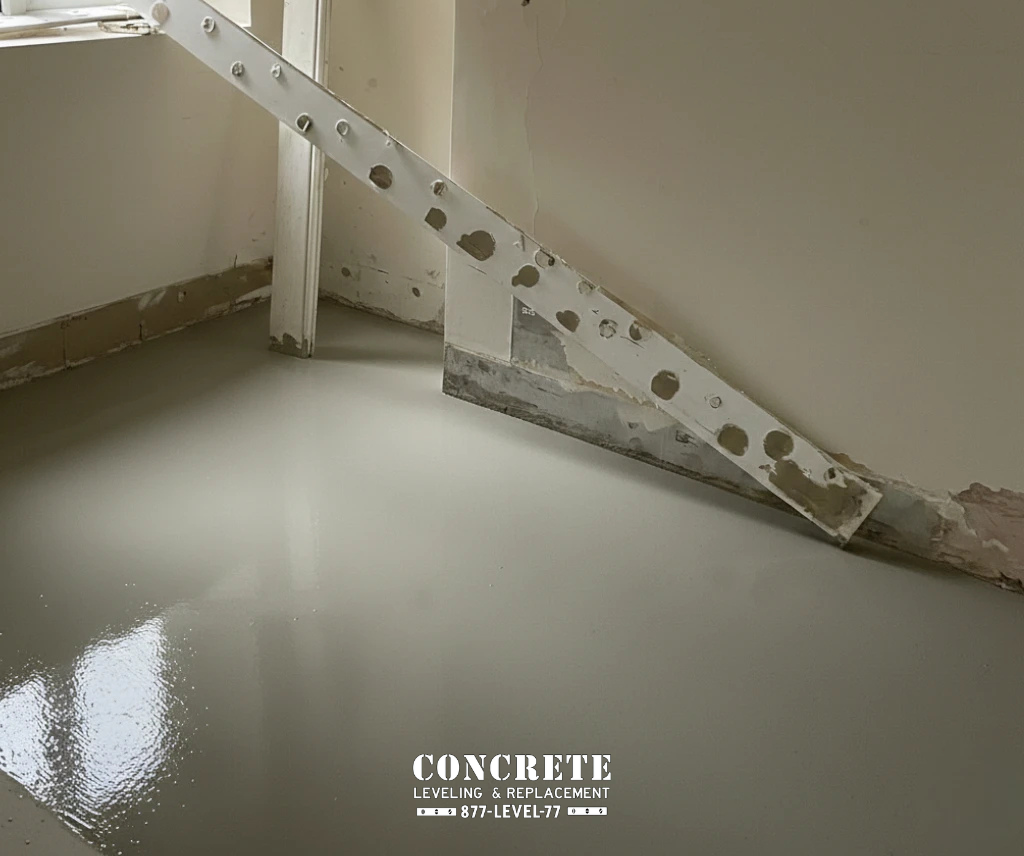
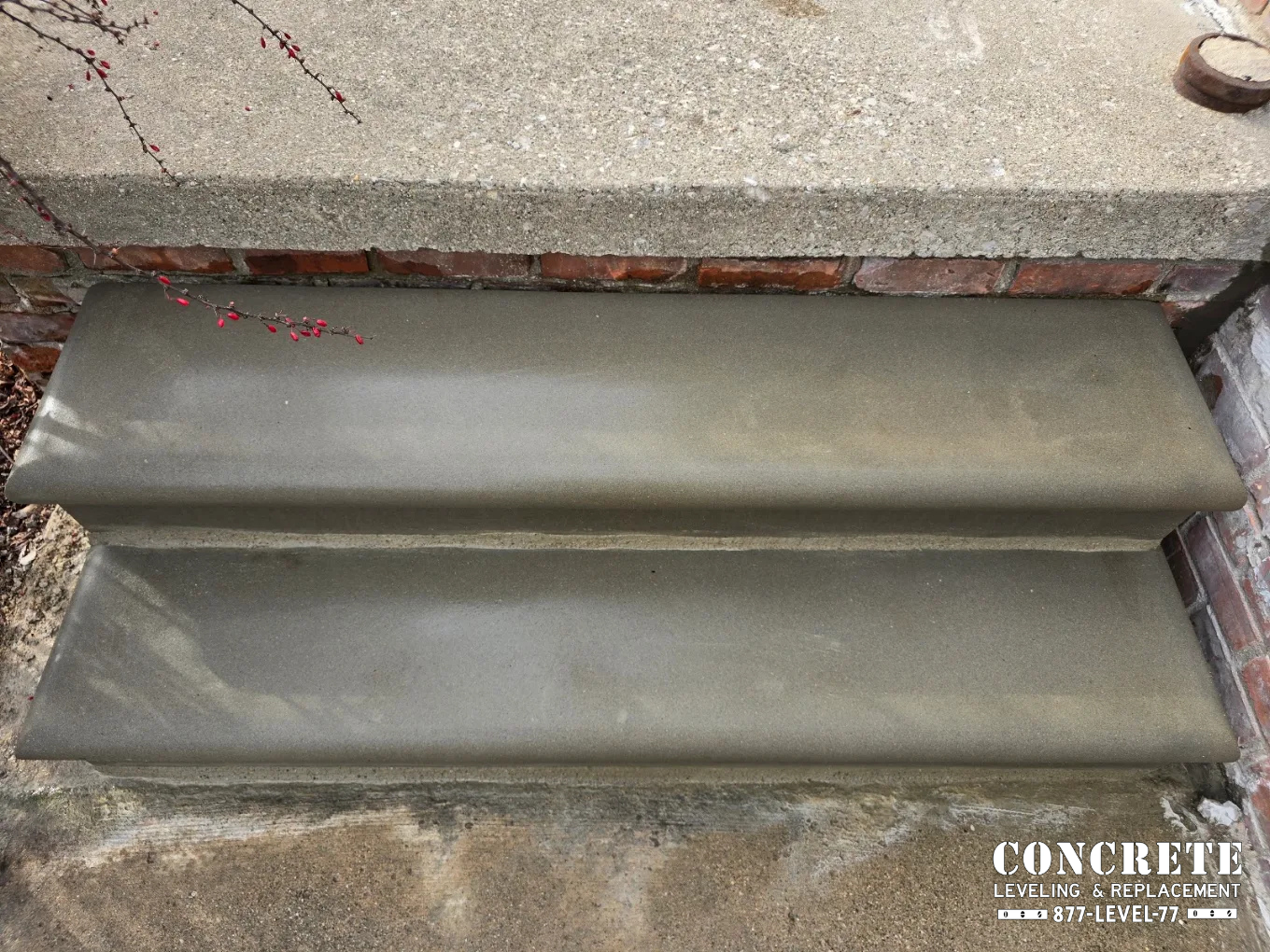
In these cases, the aim is to restore function, not chase perfection that needs unnecessary demolition. Concrete repairs can fill voids, re-level settled areas, and fix weak spots before they spread. The outcome is a better-looking, longer-lasting patio without the disruption of a full replacement.
The Damage is Localized
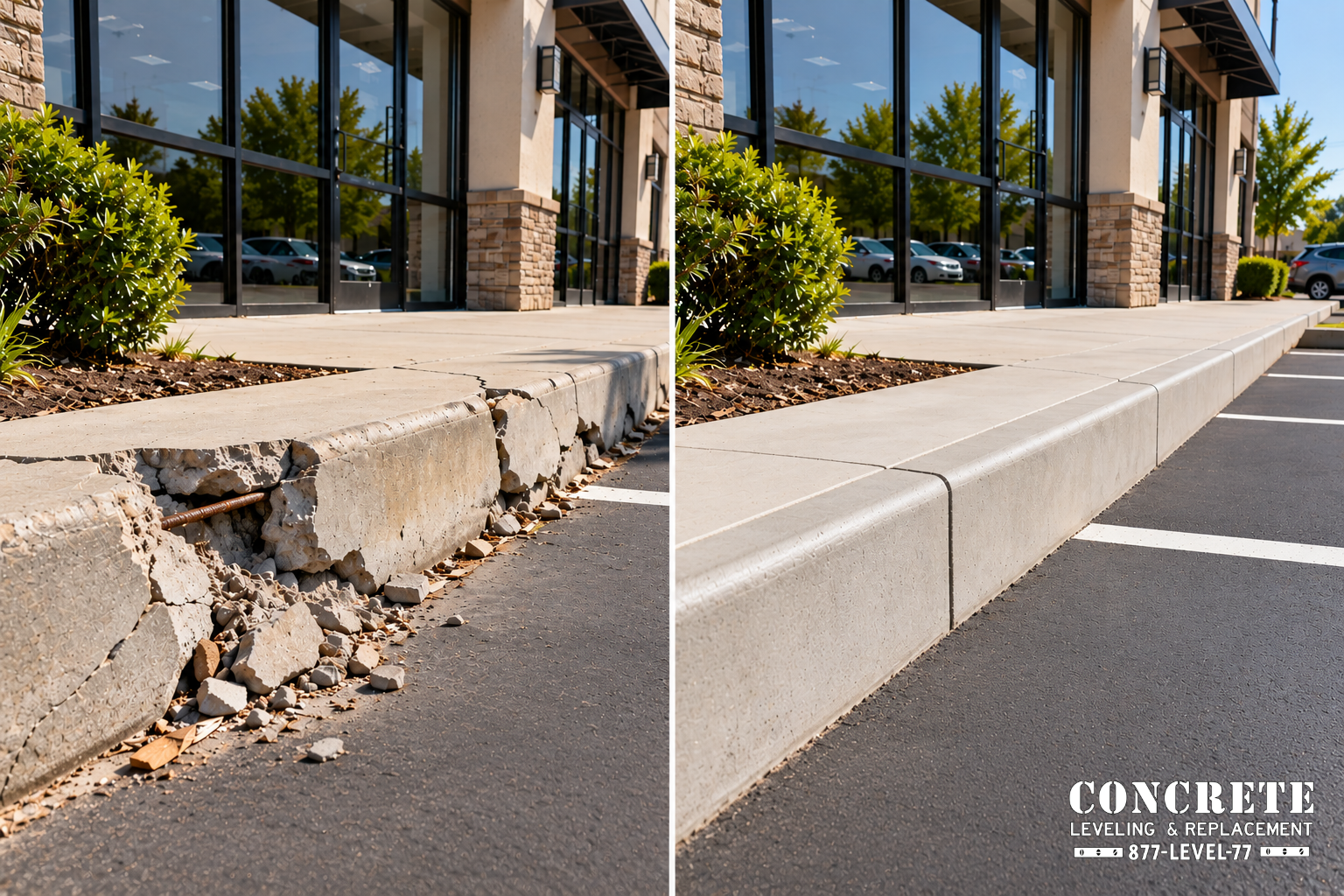
When damage is localized, repair might be the better choice. If one corner has sunk, one panel is cracked, or one edge is uneven, while the rest is fine, replacing everything might be overkill. Fixing just the problem areas can save time, cut labor costs, and keep the good parts of the slab.
This is where an experienced contractor comes in handy. At Concrete Leveling & Replacement, our techs aren’t paid commission, so their recommendations are based on what your patio actually needs. That means you get an honest assessment rather than a sales pitch for something more expensive.
Save on Cost and Reduce Disruption
Replacing a patio is a big deal. It involves demolition, removing debris, setting up forms, pouring new concrete, waiting for it to cure, and a longer time when you can’t use the space. Repairs are often quicker and less invasive. For homeowners, this means less noise, mess, and downtime in your yard.
Cost is a big factor too. If the slab is mostly sound, repair can be a smarter financial call. You might restore safety and usability now and plan for replacement later if needed. This phased approach often makes more sense than a full tear-out before necessary.
Patio Repair Methods That Can Save the Slab
Concrete Leveling for Settled Areas
When a patio slab settles, concrete leveling can restore the surface without replacing it. This process lifts sunken sections by filling voids beneath the slab, bringing it back to a more even position. It helps fix trip hazards, improve drainage, and lessen stress on surrounding concrete. It’s effective when the patio is solid but not level.
Leveling is especially helpful when the patio connects to other slabs, like a garage floor or driveway. Matching elevations creates a smoother transition and improves both look and accessibility. If your patio issue is part of a broader settlement problem, pairing repair with interior floor repair might make sense.
Crack Repair and Joint Sealing
Cracks shouldn’t be ignored, but they don’t always mean replacement. Depending on size, location, and movement, cracks can be cleaned, sealed, and stabilized to stop more water from getting in. Joint repair is key because failing joints let water penetrate slab edges and worsen damage over time.
Sealing does more than improve looks. It keeps moisture out, reduces freeze-thaw expansion, and supports long-lasting repairs. Combined with good drainage and grading, crack repair can extend the useful life of your patio.
Resurfacing and Surface Restoration
If the slab is stable but looks worn, resurfacing could be a great option. This method improves the look of lightly damaged concrete by adding a fresh finish over the existing surface. It helps with discoloration, minor pitting, and small imperfections without the cost and waste of full replacement.
Resurfacing isn’t for every slab, especially if there’s major structural movement. But for patios with cosmetic wear and minor surface issues, it’s a practical middle ground. It cleans up the concrete while keeping the original slab in use.
How Pros Decide Between Repair and Replacement
Evaluating Stability
A proper assessment starts with the slab itself. Pros look at whether the patio’s sinking, cracking, rocking, or separating from nearby structures. They check if the damage is isolated or widespread. If the concrete is stable, repair is often a viable option. If the slab’s broken into many pieces or failed in several areas, replacement might be more practical.
This evaluation includes checking the base below the slab. A patio can look damaged on top but still have a solid foundation. Conversely, a slab that seems modestly cracked might be failing below. That’s why an on-site inspection is crucial before making decisions.
Checking Drainage and Soil Issues
Concrete problems rarely occur alone. The surrounding soil, nearby downspouts, and yard grading all affect the patio. If water-related issues are the cause, the repair plan should include steps to prevent future slab movement. This might involve drainage adjustments, soil stabilization, or redirecting runoff away from the patio.
For many properties, the best long-term repair strategy fixes both the symptom and the source. A contractor who only sees the visible crack might miss the real issue. A good evaluation answers not just what is damaged, but why it happened.
Considering Age, Use, and Future Plans
The age of the patio matters, but it shouldn’t be the only factor. A newer slab with isolated damage might be great for repair, while an older slab with extensive failure might not be worth saving. Usage matters too. A patio used lightly for residential entertaining has different demands than one for a commercial property.
Your future plans can guide the decision as well. If you plan to remodel the yard or change the layout later, repair might be the most cost-effective way to buy time. On the other hand, if it’s severely damaged and you want to redesign it, replacement could offer a better long-term return. The key is deciding based on what the property truly needs.
What a Solid Patio Repair Plan Looks Like
Start with a Detailed Inspection
Every successful repair starts with a thorough inspection. The contractor should check for cracks, settlement, drainage patterns, joint condition, and signs of erosion around the slab. A good inspection also includes an honest explanation of whether repair will hold up over time, giving you confidence in the recommendation.
Our crews work throughout Michigan, allowing us to evaluate patios fairly and suggest the right solution for the conditions on site. When deciding between repair and replacement, this level of guidance is helpful.
Pick the Right Repair Method for the Damage
Not all damage should be treated the same way. A settled patio may need leveling, while narrow cracks might benefit from sealing and stabilization. A slab with worn texture might respond well to resurfacing. A repair plan should match the problem, not force the same treatment on every patio.
This is why a combined approach is often best. You might need leveling on one section, crack repair on another, and grading improvements around the perimeter. If the patio connects to nearby areas, services such as concrete floor repair might be part of an overall solution that improves the whole property.
Protect the Repaired Slab After the Work is Done
Repair is just the first step. Afterward, it’s important to keep water moving away from the patio and watch for new movement. Sealing cracks, managing runoff, and avoiding unnecessary stress on the slab all help preserve the repair. Simple maintenance habits can make a big difference over time.
Property owners should also keep an eye on nearby concrete. If the patio is near steps, walkways, or pool areas, a problem in one section can affect the others. Maintaining the entire hardscape system often leads to better results than treating each slab as an isolated issue.
Signs You Should Call a Concrete Pro
Watch for Trip Hazards and Uneven Transitions
A major sign is uneven concrete that creates a trip hazard. If one part of the patio has risen or sunk enough to create a noticeable lip, it should be fixed quickly. Uneven transitions can be dangerous for kids, older adults, and guests unfamiliar with the space.
Safety always comes first. Often, a small adjustment now can prevent a bigger problem later. If the patio affects access to doors, grills, seating areas, or adjacent walkways, the urgency increases.
Cracks, Gaps, or Water Pooling
If cracks are getting bigger, joints are separating, or water is pooling after rain, it’s a sign the slab is moving or the grading is off. These issues usually worsen if ignored. Water pooling is particularly concerning because it speeds up erosion and weakens the base under the patio.
When this happens, a pro can assess if the slab can still be saved. Sometimes the answer is yes, and the repair is straightforward. Other times the slab has moved too far. Either way, acting sooner provides more options.
Visible Sinking Near Structures
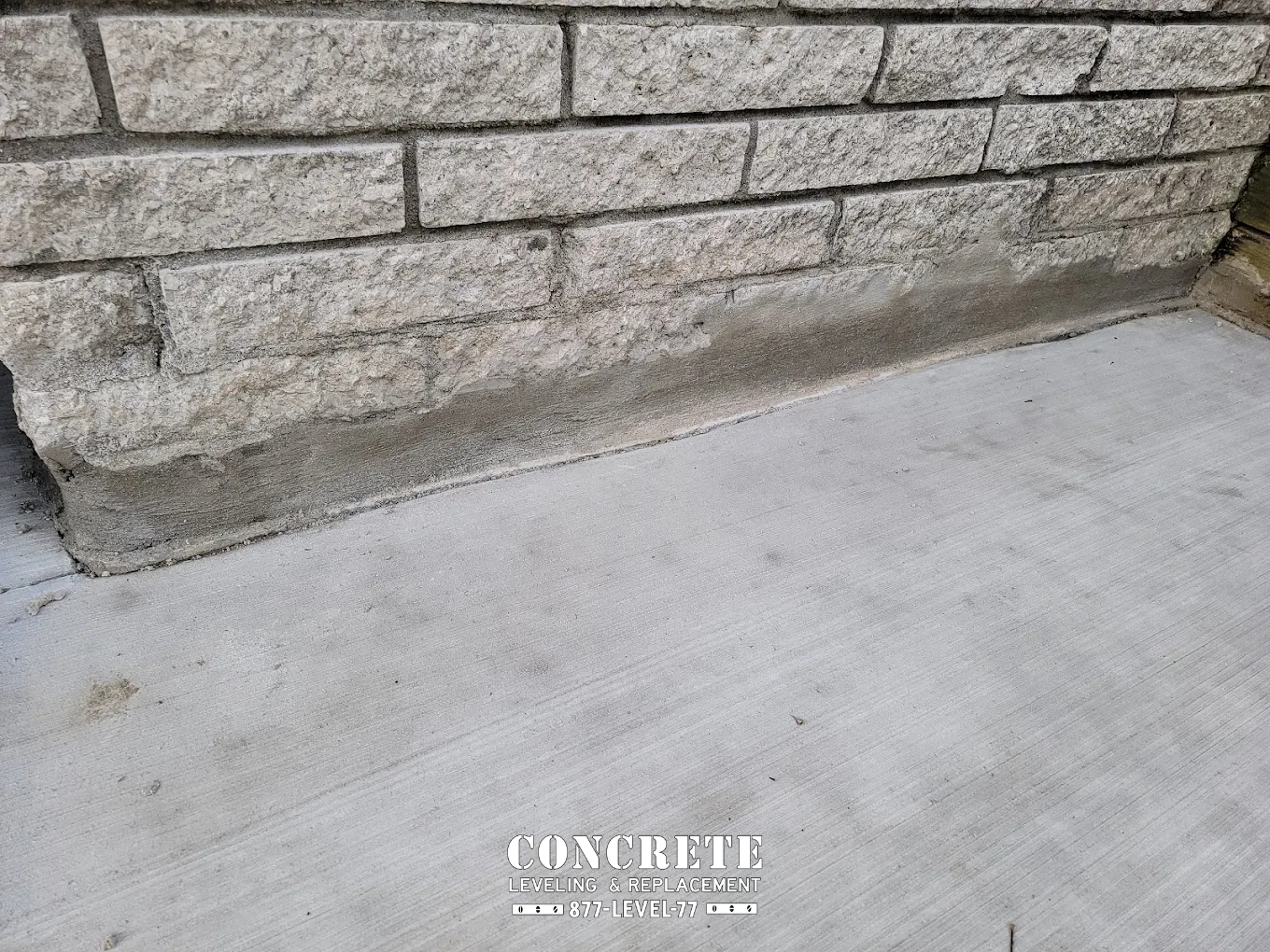
Patios often sink near house foundations, steps, or transitions to other concrete surfaces. If you see a dip where the patio meets another structure, it’s more than cosmetic. It might indicate base failure, runoff issues, or voids below the slab. Left alone, these problems can affect other parts of the hardscape.
If you notice similar movement on nearby surfaces like a walkway or driveway, it’s time to evaluate the full site. Sometimes the same soil and drainage conditions affect multiple slabs. A coordinated repair plan can address the real cause rather than chasing separate symptoms.
Patio Repair FAQs
Is Repair Always Cheaper Than Replacement?
Not always, but if the slab is still sound, it usually is. The real question is whether the repair will last. If it will, it’s often more cost-effective because it reduces labor, demolition, and material costs. The best choice solves the problem without overspending on unnecessary work.
How Long Do Concrete Repairs Last?
It depends on the problem's cause, the slab’s condition, and the repair quality. When the underlying issue is fixed and the work is done right, many repairs offer long-term value. Proper drainage, sealing, and maintenance help extend the repair's life.
Can a Patio Be Repaired if It Has Multiple Cracks?
Yes, often it can. Multiple cracks don’t automatically mean replacement is needed. If the slab is stable and the cracks aren’t part of a broader structural failure, repair may still be possible. A professional inspection is the best way to see if the slab has reached a point where replacement makes more sense.
Choose the Right Fix for Your Property
A damaged patio doesn’t always need to be replaced. Often, the best solution is a professional repair that restores safety, improves looks, and saves the slab you have. By considering what caused the damage, how much movement there is, and the surrounding site’s condition, you can make a smarter decision for your property and budget.
At Concrete Leveling & Replacement, we believe in honest evaluations and practical solutions. If your patio is cracked, uneven, or sinking, we can help you figure out whether repair is the right answer or if another approach might work better. We serve properties across Michigan, and our team is ready to assess the issue without pushing a one-size-fits-all solution. To learn more about our work in the area, visit our counties we serve page, or contact us to schedule an estimate. When you’re ready to explore a better solution, call (734) 895-3820 or visit Concrete Leveling & Replacement for more information.