Dealing with Uneven Concrete Floors? Here's How Floor Leveling Can Help
Uneven concrete floors can be more than just an eyesore. They might trip you up, damage your stuff, mess with drainage, or even make your space feel a bit shabby. Often, the problem starts small like a tiny dip, a visible crack, or a weird hollow sound when you walk over it. But if left unchecked, it can spread and affect the entire floor. If you're noticing these early signs, getting a professional assessment from a concrete floor repair expert can give you a clear picture of what's going on and what you should do about it.
When a concrete slab settles but is still basically sound, leveling is usually the way to go. Instead of ripping out and replacing the whole floor, leveling can lift and stabilize the concrete, making it safe and extending its life. If you're wondering whether leveling or replacement is right for you, understanding what causes settlement and the available repair options can make the decision easier. Reliable sources like the Federal Highway Administration and the American Concrete Institute offer useful technical insights on how concrete behaves over time.
At Concrete Leveling & Replacement, we believe in starting with an honest assessment. Our team works all over Michigan, and because our techs aren't on commission, we focus on what your floor needs instead of offering a one-size-fits-all solution. This approach is especially crucial for floors in places like garages and businesses, where settlement can impact safety and operations.
Why Concrete Floors Become Uneven
Soil Movement Underneath
Most uneven floors are due to changes below the concrete. When the soil beneath shifts, the slab loses support and starts to sink. This can happen slowly or all of a sudden after heavy rain or freeze-thaw cycles. Once voids form, even normal foot traffic can make things worse.
Drainage and Moisture Issues
Water is a big factor in floor settlement. Poor grading, leaking pipes, and runoff can weaken the soil's support for the slab. In colder areas, soil can freeze and expand, then thaw, leaving gaps. If you think moisture might be part of the problem, check out how water damages concrete to catch early warning signs.
Poor Original Installation
Some floors were shaky from the start. If the base wasn't compacted well or the concrete was too thin, settlement can happen sooner than expected. This is often seen in older buildings or garages where repairs were delayed or weren't up to snuff. NIST notes that how materials and environmental factors interact over time affects performance.
Signs Your Floor Needs Leveling
Visible Slopes and Dips
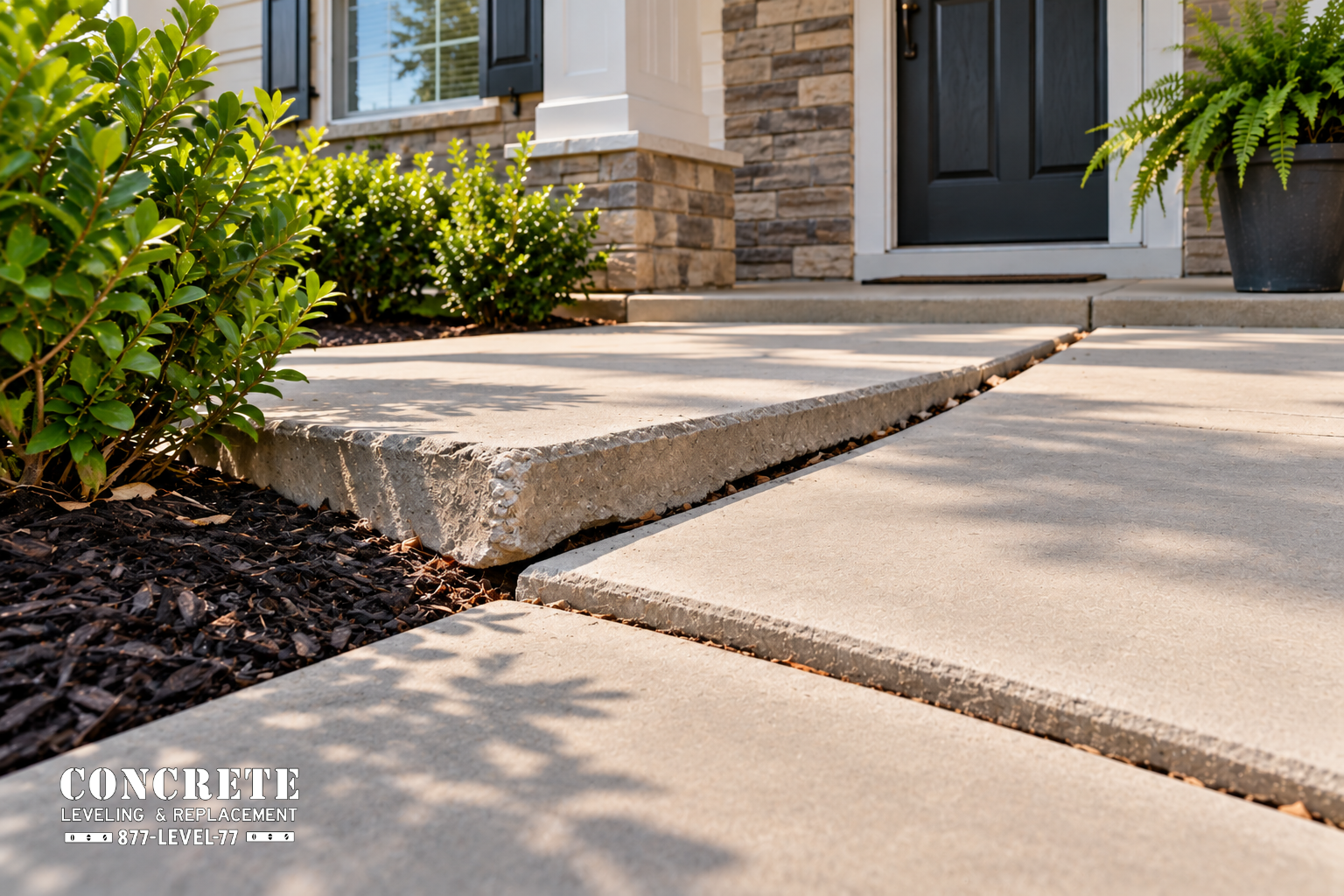
One obvious sign is a floor that doesn't feel level. You might notice a slope, tilting furniture, or visible changes between slab sections. In a garage, even a slight dip can cause trouble for tires or storage systems. At home, a small dip can become a trip hazard or make doors and cabinets misalign.
Widening Cracks
Not all cracks mean a slab must be replaced, but if they widen or develop at joints, it could indicate movement below. Hairline cracks are common, but if they combine with sinking or uneven edges, it's time for a professional evaluation. For more on this, see signs of uneven concrete.
Misaligned Doors and Trim
Settlement can show up in unexpected places. Doors might rub, trim gaps could appear, and appliances may rock. In commercial spaces, carts might bounce more, and heavy equipment can become harder to stabilize. These symptoms often point to a larger issue rather than just a surface problem.
How Floor Leveling Works
Inspection and Cause Identification
Leveling starts with a detailed inspection to see if the slab has settled, if the soil is still active, and if any drainage issues need fixing first. A skilled contractor checks for voids, cracks, and sloping patterns, ensuring the repair tackles the cause, not just the symptoms.
Leveling Methods
Depending on the situation, options like polyurethane foam injection or mudjacking might be recommended. Polyurethane foam is lightweight and expands into voids, while mudjacking uses a denser material. The best method depends on slab thickness, load demands, and soil conditions. For more, explore why polyurethane foam injection is a smart choice.
Precision Lifting
Once the strategy is chosen, small access points are drilled to inject material beneath the slab. As it fills voids, it gently raises the floor. The process is carefully controlled to avoid overcorrection, restoring support without needing a full tear-out.
Where Leveling Helps Most
Homes and Basements
In homes, uneven floors can affect comfort and value. A sunken basement or hallway transition can be a hazard. Interior repair services like interior floor repair are useful when concrete is salvageable but uneven.
Garages and Driveways
Garages take a beating from vehicles and weather. A dip near the door can let water in or catch tires. Early repairs prevent damage to nearby areas. If the issue is outside, services like garage floor repair may be right.
Commercial and Industrial Floors
In businesses, even minor floor movement can cause serious inefficiencies. Equipment may not move smoothly, and safety risks increase. That's why leveling is often seen as a maintenance investment. If your slab supports operations, a timely repair can protect long-term activities, especially with factory floor repair.
Repair or Replace? Making the Right Call
When Leveling is Better
Leveling is often best when the slab is sound and damage is localized. If the floor is intact but settled, lifting and stabilizing it is faster and cheaper than replacement. This is vital for businesses where continuity is essential.
When Replacement is Needed
Replacement is more likely when the concrete is broken or compromised. If a slab has major cracks or structural issues, leveling may not last. A reliable contractor should explain when replacement is the smarter choice.
Considering Budget and Disruption
Leveling is usually less disruptive than full replacement. Projects take less time and allow the area to be used sooner. For many, the savings in time and cleanup make leveling the preferred option.
The Long-Term Benefits of Leveling
Improved Safety
Uneven floors are a trip risk. They make walking surfaces unstable and can be a challenge for those with mobility concerns. Leveling smooths transitions and reduces accident chances, crucial in entryways and areas with carts or wheelchairs.
Better Drainage
When a slab is corrected, drainage often improves. Water is less likely to pool, and surrounding concrete can do its job. In some cases, leveling works best with additional repairs, like sidewalk repair, so surfaces work together.
Protection of Structures
Uneven concrete can stress connected materials. Walls, thresholds, and floor coverings may suffer. Correcting the floor helps protect finishes and reduces secondary damage risk.
What to Expect During Leveling
Preparation and Review
Before starting, the area is reviewed for access and any conditions affecting repair. Furniture or vehicles may need moving, and the contractor identifies slabs needing attention. A good plan includes discussing the expected outcome and any necessary drainage fixes.
Repair Day
On the day of service, the crew marks injection points, drills access holes if needed, and places material under the concrete. The lift happens in stages, with close monitoring. Once the target height is reached, holes are patched and the surface cleaned.
Aftercare
After the project is done, it's wise to monitor drainage and seal visible joints if suggested. Maintaining gutters and grading helps protect the repaired slab. If there are other concrete concerns, consider evaluating related areas.
Choosing the Right Contractor
Look for Local Experience
Concrete settlement is influenced by soil and weather, so experience matters. A contractor familiar with local conditions can better identify the problem and repair. Look for clear explanations and practical steps without pressure tactics.
Get Clear Recommendations
The best contractors explain what they see and why they recommend a solution. They discuss whether leveling, repair, or replacement is right and any repair limitations. For those in our service area, check our counties we serve page to see where we work.
Value Honesty
Concrete work is a long-term investment, so you want factual recommendations. An honest contractor might suggest a small repair or recommend replacement when needed. This transparency saves money and builds confidence in results.
FAQs About Floor Leveling
How do I know if my floor needs leveling?
If you see sloping, cracking, or misaligned doors, the slab may be settling. A professional inspection can confirm if the issue is cosmetic or structural. Early evaluation can prevent bigger repairs later.
Is leveling permanent?
When the cause is addressed and the slab is suitable, leveling can last a long time. But no repair is truly permanent if drainage issues continue. Combining repair with practical maintenance usually yields the best results.
Will the repair be visible?
Most leveling repairs leave small patch points but are less noticeable than broken concrete. Often, appearance improves once the slab is aligned. Ask your contractor about the cosmetic outcome.
Can all uneven concrete be leveled?
Not always. Severely damaged or compromised slabs may need replacement. A skilled contractor should tell you when a lift is possible and when it's not. Honesty is key for a lasting solution.
Ready for Safer, Stable Concrete?
Uneven floors don't have to be a permanent hassle. Professional floor leveling can restore safety and function without the hassle of full replacement. The key is to evaluate early, understand the cause, and choose a contractor who explains options clearly.
If you're seeing dips or cracks, now's the time to act. Concrete Leveling & Replacement offers honest solutions for residential and commercial properties, and our team is ready to help. Call (734) 895-3820 or email sales@concretelevelingpro.com to set up an assessment. Learn more about our services by visiting concrete leveling and related options to protect your property long-term.