How to Improve Your Home's Curb Appeal by Fixing the Exterior Concrete
Introduction: Why Exterior Concrete Deserves Attention
Your home's first impression starts at the curb. Well-maintained concrete surfaces around your home, like driveways, walkways, and patios, not only make it look great but also show you care about safety and quality. This guide will walk you through how repairing and updating your concrete can boost your home's curb appeal, increase its value, and even make it safer. We'll cover current design trends, how to inspect your concrete, repair and leveling tips, maintenance advice, and choosing the right contractor to get lasting results.
We'll share industry insights, case studies, and practical steps you can take right away. Whether you're planning to sell your home or just want to make some improvements, updating your exterior concrete is a smart, cost-effective move. We'll also point you to helpful resources and local services to get your project started.
By the end of this guide, you'll know the pros and cons of DIY versus professional repairs, understand which fixes offer the most visual impact, and be ready to plan a project that enhances your home's safety and looks. Keep reading for step-by-step advice and examples that show how small concrete investments can pay off big.
Why Exterior Concrete Matters for Curb Appeal
Impact on Home Value and Sales Speed
First impressions matter, especially in real estate. Homes with great curb appeal tend to sell faster and for more money. Fixing up your exterior concrete is one of the easiest ways to boost that appeal. Driveways and walkways are among the first things buyers notice. Repairs and attractive finishes can make your home more marketable and offer a good return on investment.
Investing in driveway and walkway improvements usually results in a better first impression and can reduce the time your home is on the market. If you're planning to sell, focusing on concrete and landscaping upgrades can influence offers and buyer interest. Simple updates like sealing, resurfacing, or leveling are affordable ways to significantly boost perceived value.
Homes with strong curb appeal can sell for about 7% more and often sell faster than those with neglected exteriors. Depending on your local market, that percentage can mean thousands of extra dollars, making concrete improvements a strategic choice for sellers and long-term homeowners alike.
Buyer Preferences and Red Flags
Buyers notice maintenance issues. A cracked, uneven sidewalk or a faded driveway can suggest bigger maintenance problems, even if the house itself is in good shape. Surveys show that poor curb appeal can be a dealbreaker for many buyers, and that often centers on concrete surfaces. Fixing visible damage and updating finishes can ease buyer concerns and position your home as move-in ready.
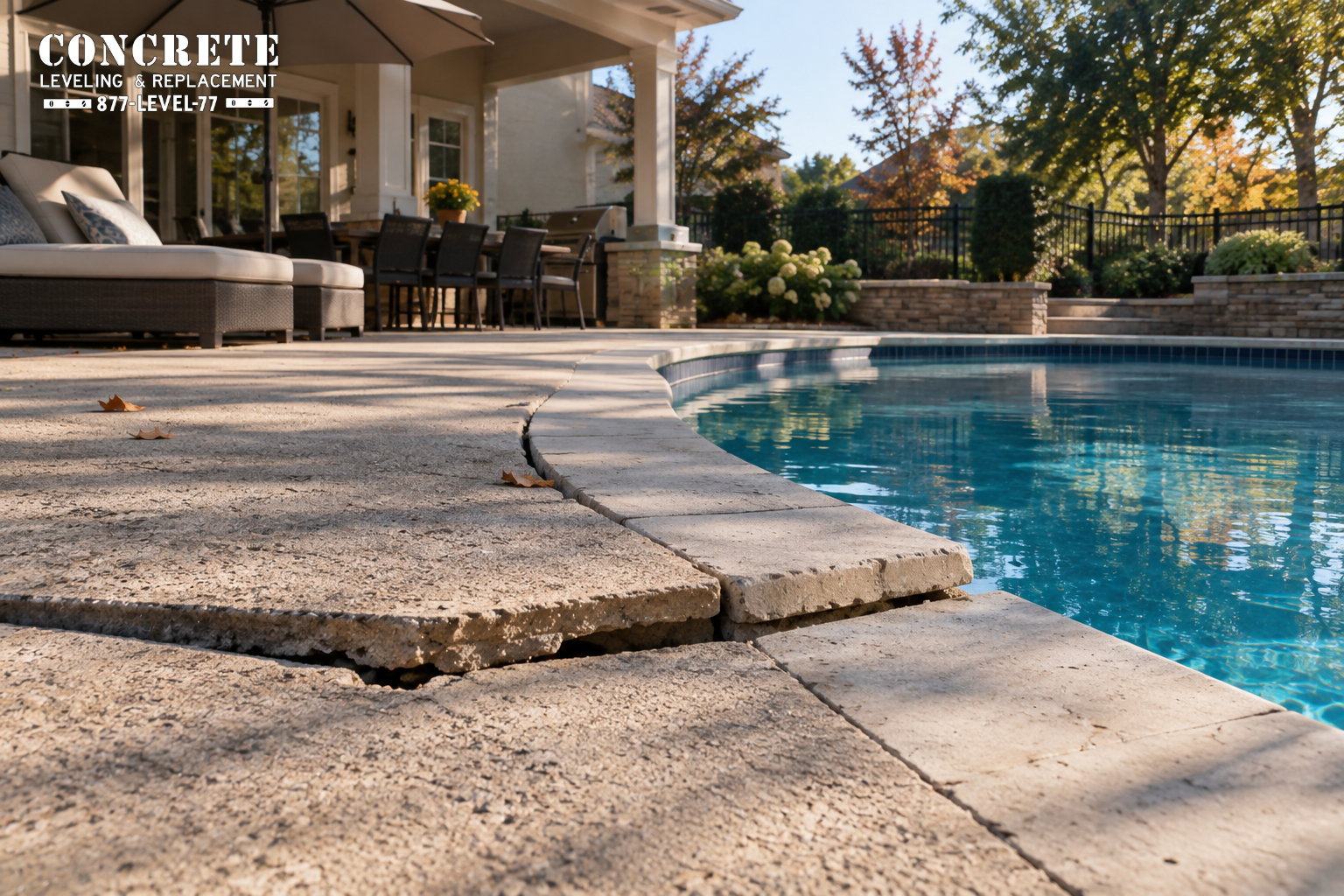
Problems like large cracks, uneven slabs, or spalling concrete can make it seem like maintenance has been ignored, leading buyers to offer less or ask for concessions. Addressing these issues early through leveling, crack repair, sealing, or resurfacing helps preserve value and reduces the chance of price negotiations during the sale.
Beyond resale value, fixing uneven or damaged concrete reduces liability risks for homeowners. Uneven sidewalks and steps can increase the chance of trips and falls, which can lead to expensive claims. Investing in repairs protects both your guests and your wallet.
Safety, Accessibility, and Legal Considerations
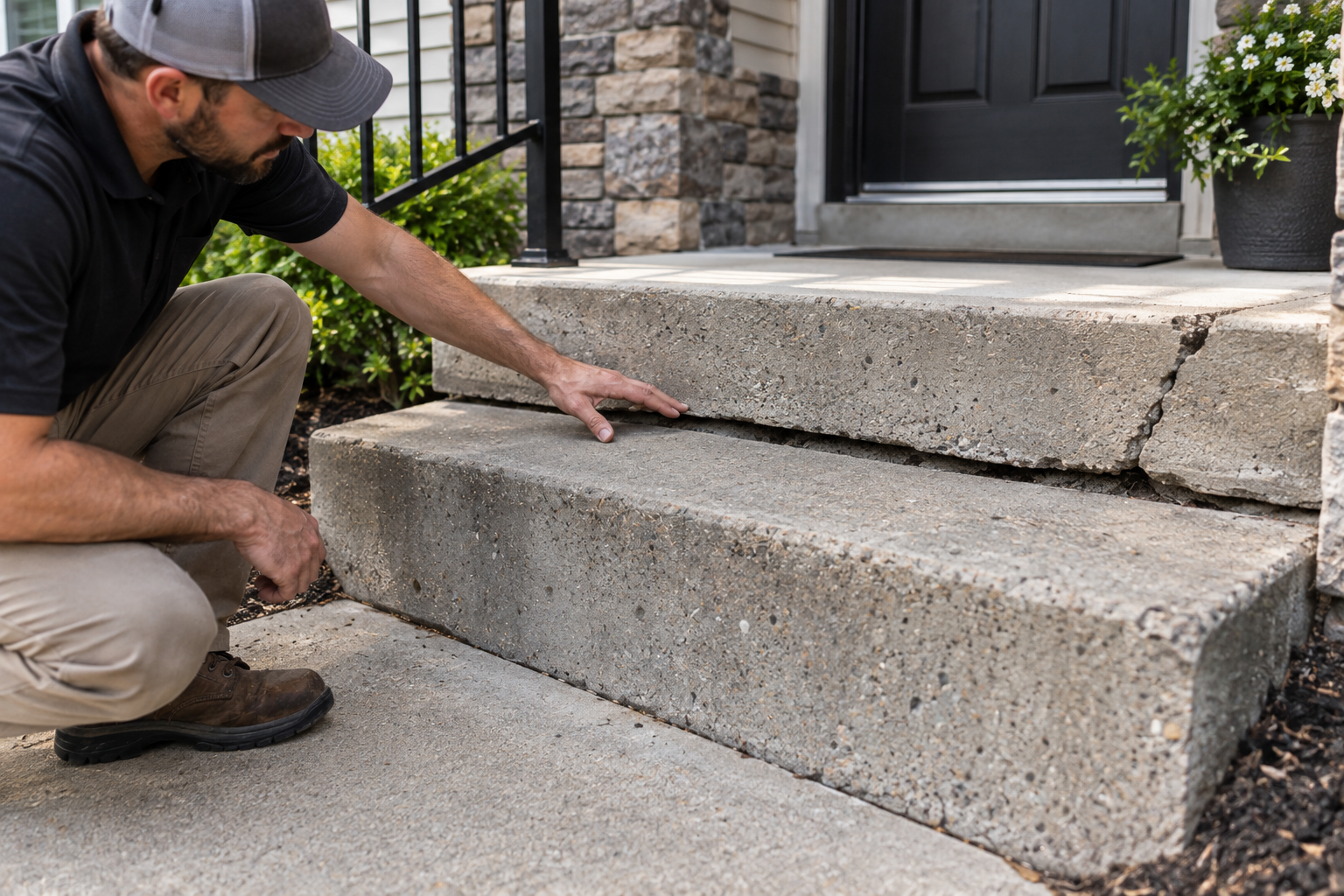
Uneven slabs and broken steps are safety hazards. Local rules might also require certain standards for sidewalks and curbs. Taking care of repairs helps you stay compliant and reduces the risk of fines or liability claims. Regular inspections and timely repairs are smart risk-management strategies.
Proper grading and drainage around concrete are also important for long-term stability. Fixing the root causes of movement or settlement, like poor drainage or soil erosion, prevents future problems and protects your investment. Professional assessments can often identify these underlying issues and recommend solutions like leveling or improved drainage.
By seeing exterior concrete as both an aesthetic and functional part of your home, you can make choices that protect value, improve safety, and enhance curb appeal all at once.
2025 Trends in Exterior Concrete Design
Pigmented and Colored Concrete Finishes
In 2025, pigmented concrete is still popular as homeowners look for strong design statements. Earthy tones like warm browns, muted greens, and deep charcoals are trending for their natural look and ability to blend with landscaping. Accent colors like terracotta or cobalt blue are also being used for contrast in pathways or entryway borders.
Pigmented concrete can be added during pouring or with stains and dyes on existing slabs. The main benefit is that color can be matched with exterior paint, brick, or stone to create a cohesive look that elevates curb appeal without adding new materials. Color-treated concrete resists fading if properly sealed, so pairing pigmentation with a quality sealant is key.
Designers often suggest subtle palettes for front-facing surfaces and bolder accents in private areas like patios. This way, you balance curb appeal with long-term trends and keep the front of your home appealing to buyers and neighbors.
Integrated Lighting Built into Concrete
Embedded LED lighting in concrete surfaces is a dual-purpose upgrade that boosts safety and style. Lights set into driveway edges, step risers, or along pathways provide subtle illumination that defines paths and highlights features after dark. Integrated lighting also reduces the need for separate landscape light fixtures and creates a modern look.
When planning embedded lighting, coordinate wiring and fixture placement with concrete pours or resurfacing to avoid retrofits that could damage finishes. Professionals can install waterproof, low-voltage LED modules designed to withstand traffic and weather. Lighting controls, like motion sensors and timers, enhance energy efficiency and security.
Beyond style, lighting increases the usability of outdoor spaces and improves safety by reducing trip hazards at night. This investment is particularly valuable for pathways, pool decks, and multi-step entries where visibility is critical.
Artistic Hardscaping and Custom Textures
Homeowners are treating walkways, driveways, and patios as creative canvases. Stamped concrete, etched patterns, exposed aggregate, and mixed textures turn functional surfaces into visual focal points. These designs can mimic stone, brick, or tile for a premium look without the higher cost of natural materials.
Custom hardscaping often pairs with landscaping to boost curb appeal. For instance, a stamped border with a contrasting center color can frame the home and guide the eye to the entrance. Similarly, integrating planters and seating elements into concrete designs adds usable space and visual interest.
Artistic hardscaping also lets homeowners match architectural styles. Modern homes might use clean, geometric patterns and darker colors, while traditional homes suit warmer tones and classic textures. Thoughtful design increases perceived value and sets your home apart in the neighborhood.
How to Inspect and Assess Your Exterior Concrete
Visual Inspection Checklist
Start with a thorough visual inspection of all your exterior concrete areas. Look for large cracks wider than 1/4 inch, slabs that have shifted, spalling or flaking surfaces, pooled water, and uneven slopes or settlement. Photograph problem areas from multiple angles and note their locations to track deterioration over time or when getting a contractor estimate.
Pay close attention to joints and edges since these often fail first. Check for efflorescence (white salt deposits), which indicates moisture problems, and rust stains near embedded metal, which can suggest rebar corrosion. Identifying wear patterns or repeated cracking helps determine whether a cosmetic fix will be enough or if structural intervention is needed.
If water regularly pools on a slab or flows toward the foundation, that points to drainage or grading issues that should be fixed before repair to prevent recurrence. A thorough inspection helps prioritize repairs based on urgency, safety, and value.
Diagnostic Steps for Structural Concerns
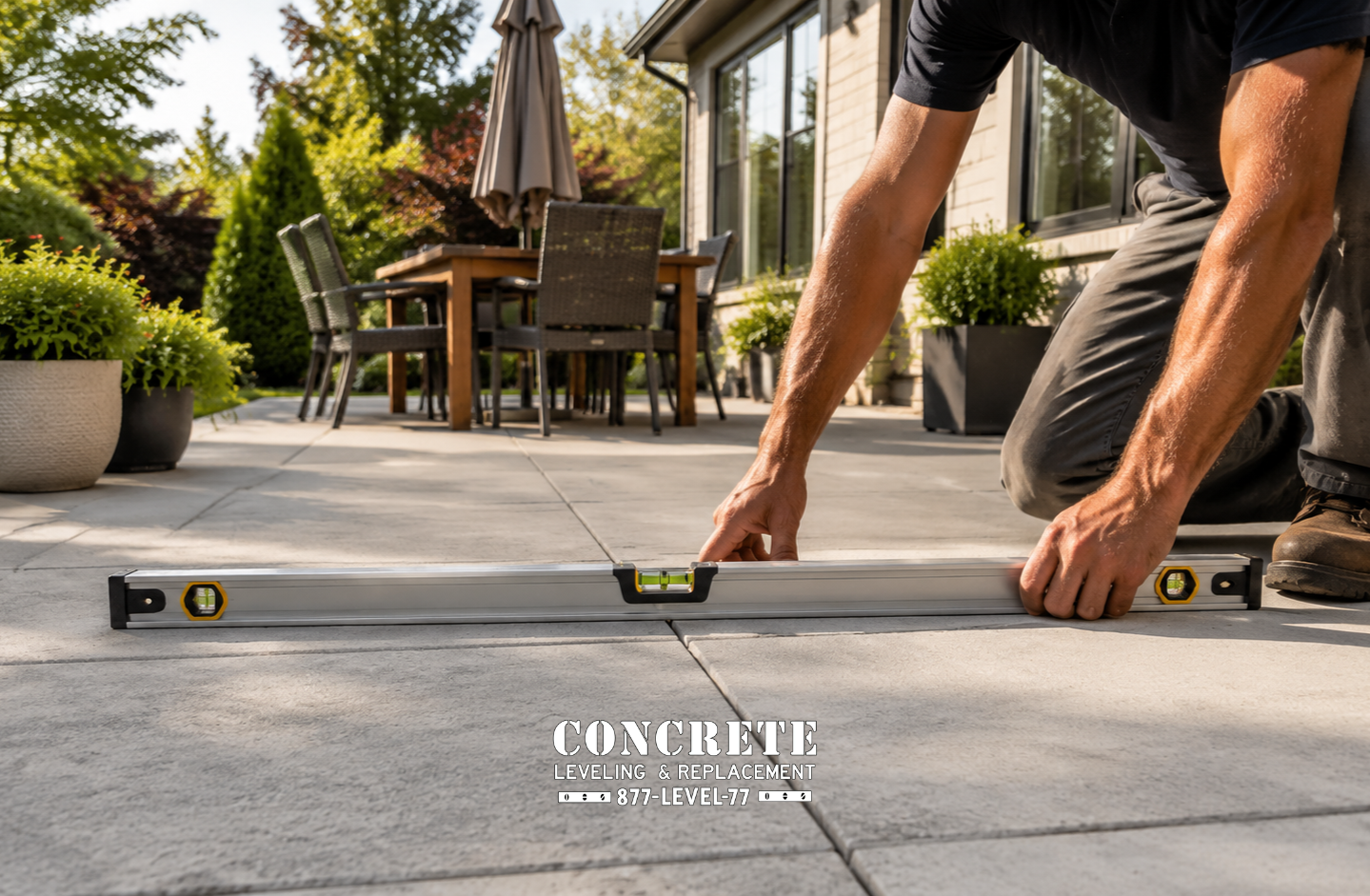
If you suspect structural problems, a more detailed diagnostic approach is needed. Tap hollow-sounding areas to find delamination, measure slab heights with a level or straightedge to spot settled sections, and inspect surrounding soil or landscaping for signs of erosion or washout. These steps reveal whether a slab has simply settled, is suffering from subbase deterioration, or has been damaged by freeze-thaw cycles.
For settled slabs, slab-lifting techniques like polyurethane injection (slab lifting) or mudjacking can restore the level without removing the concrete. For slabs with extensive cracking or rebar failure, full replacement may be needed. Accurate diagnosis prevents unnecessary replacement and ensures the repair addresses the underlying cause rather than just the symptom.
Document your findings and, if necessary, request a professional evaluation to verify whether repair or replacement is the right path. Professionals can also test soil compaction and recommend drainage fixes that stabilize the ground beneath slabs.
When to Call a Professional
Minor cosmetic cracks and surface stains might be DIY projects, but there are clear signs that you need professional help. Call a qualified contractor if you notice significant slab displacement, deep or widening cracks, water pooling, structural movement near foundations, or damage to steps and other load-bearing elements. Professionals can provide a full assessment and propose a repair plan that fits your budget and long-term goals.
Consulting a pro is especially important when interior floors are affected by exterior settlement or when safety features like steps, railings, or curbs are compromised. A professional repair often includes addressing drainage and soil issues to prevent repeat problems, which is beyond the scope of most DIY efforts.
For homeowners in Michigan and surrounding counties, working with local contractors who understand freeze-thaw cycles and regional soil types provides added value. Local expertise ensures proper materials and techniques for long-lasting outcomes, especially in climates that demand durable freeze-resistant solutions.
Repair Options: From DIY to Professional Solutions
Minor DIY Repairs and Cosmetic Updates
For small hairline cracks, surface cleaning, and cosmetic stains, homeowners can undertake simple DIY solutions. Pressure washing removes surface grime and mildew, while concrete patch products address shallow surface cracks. For small joints or chipped edges, epoxy fillers and concrete patch compounds can create a neat repair that restores function and appearance.
Applying a staining or dye product and following with a quality sealant can dramatically improve the appearance of otherwise sound slabs. These updates are cost-effective and ideal when concrete is structurally stable but visually outdated. However, ensure you address any drainage issues first to avoid sealing in moisture that could worsen freeze-thaw damage.
DIY projects save money when limited in scope, but they require correct product selection and attention to preparation steps. Improper preparation or product misuse can lead to poor adhesion and early failure of cosmetic overlays or seals.
Resurfacing, Decorative Coatings, and Stamped Concrete Restoration
When concrete is structurally sound but worn or outdated, resurfacing with decorative coatings is a high-value option. Resurfacing can refresh a faded stamped driveway, repair minor surface damage, and allow new colors or textures to be applied without full replacement. Decorative overlays are available in a wide range of finishes, including stamped texture, brushed concrete look, or a smooth, colored surface.
Restoring stamped concrete often involves cleaning, repairing seams or shallow cracks, applying a new release or stain, and sealing. This approach revives the original pattern and color while extending surface life. Resurfacing typically lasts 10-15 years with proper maintenance, making it a smart solution for many homeowners seeking aesthetic upgrades without the expense of tearing out and repouring.
If aesthetics are your top priority, coordinate color and texture choices with exterior elements like siding, brick, and landscaping. Consider sample panels or test patches so you can preview the final look before committing to a full overlay.
Major Repairs: Replacement vs. Leveling
When concrete is badly cracked, undermined, or contaminated with vegetation and root intrusion, full replacement may be the only durable option. Replacement involves removing the old concrete, preparing the base, and pouring new slabs with proper jointing and reinforcement. This approach is ideal when the subbase is compromised or when new designs, such as integrated lighting or significant slope changes, are planned.
Alternatively, if slabs are intact but uneven due to settlement, slab-lifting techniques offer a less invasive and more affordable fix. Concrete leveling with polyurethane injection restores grade and slope while minimizing disruption. This method is faster than replacement, reduces waste, and often costs a fraction of a full tear-out and pour.
Deciding between replacement and leveling depends on slab condition, underlying causes, aesthetic goals, and budget. Consult an experienced contractor to weigh options and estimate long-term durability for each solution.
Concrete Leveling & Replacement Techniques Explained
Polyurethane Slab Lifting (Slab Lifting)
Polyurethane slab lifting uses a high-density foam injected beneath settled concrete to raise the slab back to its original grade. The foam displaces soil, compacts loose subgrade material, and provides stable support. This modern technique is fast, lightweight, and causes minimal surface disruption compared to traditional mudjacking methods.
Polyurethane injections are especially effective for sidewalks, driveways, patios, and pool decks where targeted lifting is needed. The process typically takes a few hours for residential projects and requires only small injection holes that are easily patched. Because it doesn't add significant weight to the slab, polyurethane is less likely to cause further settlement in weak soils.
If you're considering leveling for aesthetic and safety reasons, ask about the expected lifespan of the lift and whether drainage corrections are included in the service to minimize recurrence. Professionals can pair leveling with surface repairs and sealing for a polished finish.
Mudjacking and Traditional Lifting Methods
Mudjacking uses a grout mixture injected beneath slabs to lift them. It has been used for decades and remains a valid option in many situations. Mudjacking is typically less expensive upfront but uses heavier materials, which can be a disadvantage if the subgrade is unstable. It also requires larger injection ports and may take longer to cure.
Contractors sometimes recommend mudjacking for larger commercial slabs where cost considerations and material availability play a role. Evaluate long-term performance and confirm the method's suitability for local soil conditions before choosing this option. A reputable provider will explain trade-offs and recommend the approach best suited to your specific situation.
Comparing mudjacking to polyurethane, weigh factors like cure time, longevity, environmental impact, and potential for future settlement. Modern polyurethane methods are often preferred for residential projects due to speed and lighter weight, but mudjacking still has appropriate uses in specific contexts.
Full Replacement Best Practices
When replacement is necessary, proper base preparation, correct reinforcement, and suitable joint layout are essential for long-term durability. Contractors should remove damaged material, re-grade and compact the subbase, install rebar or wire mesh as needed, and pour concrete with an appropriate mix design for local climate demands. Proper joint placement and control joints prevent random cracking and ensure cleaner, longer-lasting results.
Consider upgrading to design elements during replacement, such as pigmented concrete, stamped textures, or embedded lighting. Replacement offers the opportunity to redesign circulation patterns, add curbing, or improve drainage in ways that aren’t feasible with patching or lifting alone.
Get multiple estimates and ask contractors for references and photos of completed projects. Confirm warranties and maintenance recommendations, and ensure the scope includes cleanup and final grading for a professional finish that enhances curb appeal.
Sealing, Maintenance, and Lighting: Preserving Your Investment
Benefits of Sealing and Protective Coatings
Sealants protect concrete from moisture intrusion, chemical stains, deicing salts, and UV-related fading. A high-quality sealer enhances color vibrancy for pigmented or stained surfaces and extends the life of overlays and stamped finishes. Sealing is a relatively low-cost maintenance step that provides substantial protective benefits and keeps surfaces looking fresh between more extensive restorative projects.
Choose sealers appropriate for your surface type: penetrating sealers for natural textures and film-forming sealers for decorative overlays and stamped concrete. Follow manufacturer directions and climate considerations, allowing adequate cure times before reapplying. Regular resealing, typically every 2-4 years depending on wear and exposure, maintains performance and appearance.
Sealing also simplifies cleaning and reduces the risk of oil and grease absorption on driveways. For homeowners who want easy upkeep, sealing is an economical choice that preserves aesthetics and resists deterioration over time.
Routine Maintenance Schedule and Best Practices
Establish a simple maintenance schedule to extend the life of your concrete surfaces. Annual tasks include cleaning with a pressure washer or stiff broom, removing weeds from joints, and inspecting for new cracks or spalling. Every few years, perform a more thorough inspection and reseal decorative or pigmented surfaces according to exposure and wear.
Address small cracks quickly with appropriate fillers and keep drainage paths clear to avoid undermining slabs. In colder climates, avoid excessive use of deicing salts directly on decorative concrete, which can damage finishes. Instead, use sand or manufacturer-approved deicer products and sweep them off after melting to minimize long-term harm.
Consistent maintenance pays dividends: properly cared-for concrete lasts longer, looks better, and reduces the likelihood of larger, costlier repairs down the road.
Planning and Installing Integrated Lighting
Integrated lighting should be planned early if you intend to pour new concrete or apply overlays. Embedded fixtures require conduits and careful placement to avoid interfering with structural integrity and drainage. A lighting plan should consider fixture spacing, illumination levels, and energy efficiency, favoring low-voltage LED systems for durability and long life.
When retrofitting existing concrete, contractors can often cut channels or recess fixtures, but this approach requires careful coordination to preserve finish integrity. Work with electrical and concrete professionals to ensure waterproof connections and load-rated fixtures for traffic zones. Thoughtful lighting design enhances safety and dramatizes architectural features after dark.
Whether new or retrofit, integrated lighting is a worthwhile investment for homeowners wanting to combine safety, security, and contemporary aesthetics in their exterior concrete design.
Case Studies, ROI, and Real-World Examples
Stamped Driveway Restoration. Michigan Example
A homeowner in Michigan faced a faded, peeling stamped driveway that diminished their home's street appeal. Instead of replacing the slab, they opted for a professional restoration: deep cleaning, targeted repairs of delaminated sections, new color stain applied to the entire driveway, and a high-performance sealer. The result was a refreshed, cohesive surface that matched the home's brick tones and improved curb appeal noticeably.
Because the slab remained structurally sound, resurfacing saved high cost versus full replacement while achieving a near-new look. The homeowner reported positive feedback from neighbors and an increased sense of pride in the home's exterior presentation, demonstrating how restoration can be both economical and impactful.
If you have a similar situation, consider restoration before replacement and consult professionals who specialize in stamped concrete repair.
Integrated Lighting on a Romulus Walkway
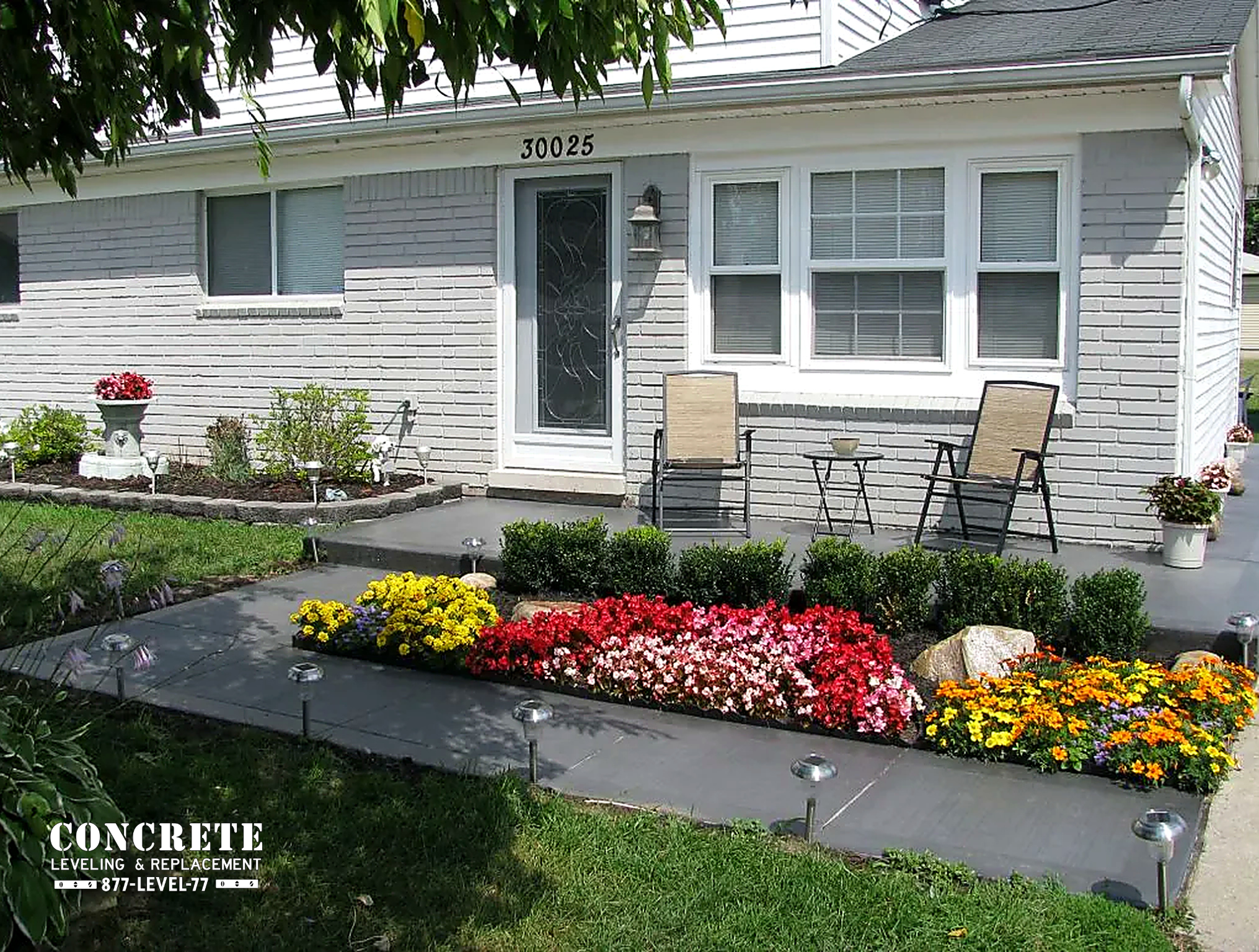
In Romulus, MI, a resident upgraded an aging walkway by installing embedded LED pavers along the path and repairing several settled slabs with slab lifting. The combined improvements enhanced nighttime visibility and turned a drab approach into an elegant entry sequence. The addition of integrated lighting also increased the property's nighttime curb appeal and made the entry safer for guests and family members.
This example highlights how combining functional repairs with design upgrades produces multiplicative benefits. Addressing structural settlement first and then layering aesthetic improvements ensures both longevity and style. Local contractors familiar with regional weather patterns can recommend fixture types and installation methods that withstand freeze-thaw cycles.
For homeowners in the area, working with local professionals provides practical advantages such as knowledge of typical soil conditions and permit requirements. Local expertise results in more predictable outcomes and fewer surprises during installation.
ROI and Market Data Supporting Exterior Investments
Studies and market reports indicate that curb appeal improvements often pay off at resale. A well-presented exterior can increase offers and speed up sales, with some analyses showing roughly a 7% uplift in sale price for properties with excellent curb appeal. Anecdotal reports also indicate faster sale times in hot markets. These data points support the argument that targeted exterior investments, including concrete improvements, can be financially prudent, especially when combined with landscaping and minor exterior updates.
While exact ROI varies by market and the scope of work, prioritizing high-visibility areas like the driveway, walkway, and front steps typically yields the strongest return. Homeowners should weigh project costs against neighborhood comparables and consult local real estate professionals when planning upgrades before listing.
For a broader context on curb appeal impacts and buyer behavior, reputable sources document the financial and psychological influence of first impressions during the home-buying process.
Cost Estimates, Choosing a Contractor, and What to Ask
Typical Cost Ranges and Budgeting
Costs vary widely based on the scope, materials, and local labor rates. Small crack repairs and patching can cost a few hundred dollars, while resurfacing an entire driveway typically ranges from a few thousand to several thousand dollars, depending on complexity and finish. Full concrete replacement is the most expensive option, especially if base repair and new grading are required, and can range significantly higher.
Slab lifting via polyurethane injection is often a cost-effective middle ground, offering leveling and stabilization at a fraction of replacement cost. Get multiple quotes and ensure each estimate includes material specifications, preparation steps, warranties, and post-installation cleanup. Budget for sealing and finish work as separate line items, and include contingency for any unexpected base repairs discovered during work.
Transparent pricing and written estimates help avoid surprises. Reputable contractors provide itemized proposals and explain trade-offs between different repair methods so you can make informed decisions aligned with budget and long-term goals.
How to Vet and Compare Contractors
Choosing the right contractor involves more than price. Look for licensed, insured professionals with local references and a portfolio of completed projects similar to yours. Ask about experience with regional freeze-thaw conditions, subgrade preparation practices, and warranties on both labor and materials. Request references and follow up with homeowners who had similar work done to assess satisfaction and durability over time.
Ask about the contractor's evaluation process and whether they diagnose root causes like drainage or soil erosion. A trustworthy contractor will be transparent about what can be repaired and what requires replacement, and will not push unnecessary full replacements when leveling or resurfacing is appropriate. Verify whether crews are paid hourly or salaried rather than commission-based to reduce bias in recommendations.
When you're ready to move forward, confirm the project timeline, cleanup responsibilities, access needs, and any permit requirements. Clear communication and a written contract reduce risk and ensure expectations are aligned.
Questions to Ask During the Estimate
Important questions include: What method do you recommend and why? Do you address drainage or grading issues as part of the repair? What materials and sealers will you use, and what warranties are included? Can you provide before-and-after photos of similar jobs and local references? How long will the work take, and what site protection measures do you use?
Asking these specifics helps you compare apples to apples across bids and evaluate which contractor offers the best balance of price, quality, and long-term performance. A confident, experienced contractor will welcome these questions and provide clear, written answers and references.
For guidance on hiring and consumer protections, consult reputable government resources on contractor selection and contracting practices to ensure you follow best practices and safeguard your investment.
FAQ, Troubleshooting, and Next Steps
How Long Does Resurfacing Last?
Resurfaced concrete typically lasts between 10 and 15 years with proper maintenance, depending on traffic and climate exposure. High-quality surface preparation, correct product selection, and regular sealing extend longevity. Homeowners should plan for periodic resealing and maintenance to preserve appearance and protective properties.
Severe underlying structural or drainage problems can reduce the lifespan of a resurfacing, so ensure a professional inspects for root causes before cosmetic work proceeds. When resurfacing is combined with corrective measures to stabilize the base, it performs much better over time.
Document the work and follow maintenance recommendations to maximize life expectancy and maintain curb appeal.
Is Stamped Concrete Maintenance-Intensive?
Stamped concrete is durable but benefits from regular maintenance. Periodic resealing protects color and pattern from fading and wear, while cleaning prevents dirt and deicer salt buildup. Small surface repairs can be handled with patch products, but large delamination or deep cracks may require professional restoration.
With routine sealing and prompt attention to damage, stamped surfaces can remain attractive for many years. Factor maintenance costs into your decision when choosing stamped finishes and follow manufacturer or contractor guidance for sealant schedules.
Overall, maintenance requirements are manageable and comparable to other decorative surfacing options when owners follow recommended care routines.
Can I DIY Concrete Repairs?
Homeowners can handle minor cleaning, sealing, and small crack repairs as DIY projects, but complex issues like slab settlement, large structural cracks, or problems caused by drainage and soil erosion require professional intervention. DIY efforts are best suited for cosmetic touch-ups and maintenance between professional services.
Attempting major structural repairs without experience can result in costly mistakes. For projects involving lifting, regrading, or underpinning, hire an experienced contractor who can diagnose root causes and deliver long-lasting solutions. When in doubt, get a professional assessment to avoid escalating problems.
Using this balanced approach, DIY for simple tasks, professionals for structural work, ensures safety and optimal long-term performance for your exterior concrete.
Conclusion and Call to Action
Exterior concrete is a powerful lever for improving curb appeal, increasing property value, and reducing liability risks. From pigmented colors and embedded lighting to slab lifting and stamped concrete restoration, modern techniques and thoughtful maintenance help homeowners achieve striking, long-lasting results. Start with a careful inspection, prioritize repairs that address safety and root causes, and choose repair or enhancement options that align with your budget and design goals.
If you're ready to improve your home's curb appeal, begin with a professional assessment to identify the highest-impact, cost-effective repairs. For local homeowners in Michigan seeking experienced, honest evaluations, Concrete Leveling & Replacement offers comprehensive services and practical recommendations tailored to regional conditions and long-term performance.
Contact Concrete Leveling & Replacement at (734) 895-3820 or sales@concretelevelingpro.com to schedule an inspection. Learn more about specific services, including concrete driveway repair, sidewalk repair, and patio repair, to get started. For leveling needs, explore our concrete leveling solutions, and for entry features, consider porch repair to complete your curb-appeal upgrades. Our team serves Romulus and surrounding Michigan counties and provides honest, no-pressure recommendations so you get the right solution for your property.
Ready to take the next step? Schedule an on-site assessment, request a detailed estimate, and begin turning your exterior concrete into a high-impact asset for your home. Investing in professional repairs and thoughtful design today protects value and creates a welcoming, beautiful exterior you’ll enjoy for years to come.
References: Buyer preference and curb appeal research referenced from reputable publications such as Forbes and homebuyer resources like AHS. Consumer guidance on hiring contractors is referenced from government consumer protection resources, such as the FTC.