How to Keep Water from Wrecking Your Concrete
Water can be a real headache for concrete, often causing damage before you even notice it. Little cracks, soft spots underneath, and poor drainage can let moisture seep through, slowly weakening your slab. Whether it’s your driveway, sidewalk, patio, or garage floor, it's more cost-effective to prevent damage than to fix it. If you're looking for professional help, services like concrete leveling and concrete driveway repair can tackle early issues before they turn into bigger problems.
Concrete is tough, but it's not waterproof. Its porous nature means water can sneak in through joints, tiny cracks, and unsealed areas, especially during freeze-thaw cycles. But don’t worry—modern materials, smart drainage designs, and regular upkeep can significantly cut down the risk. According to the American Concrete Institute, durability starts with the right mix, placement, and curing techniques, and the National Institute of Standards and Technology points out that material performance and environmental exposure play a big role in how long your concrete lasts. Essentially, prevention starts long before any cracks appear.
Why Water Wreaks Havoc on Concrete
Concrete: Strong but Porous
Most people think concrete is solid and impenetrable, but that's not quite right. Even well-made slabs have tiny pores that can soak up water over time, especially if the surface isn't sealed or the mix is too watery. Once moisture gets in, it can travel through the slab, weaken the bond between particles, and cause cracks and other problems. This is why maintaining concrete isn't just about how it looks—it's about protecting the structure inside.
Freeze-Thaw Cycles Make It Worse
In areas with cold winters, water becomes even more damaging. When water inside the concrete freezes, it expands and causes pressure. Repeated freeze-thaw cycles can break down the concrete, pop off surface layers, and make existing cracks bigger. The Federal Highway Administration highlights freeze-thaw damage as a big concern for concrete exposed to moisture and temperature changes. This is especially true in places like Michigan, where the weather can be tough on both slabs and the ground beneath them.
Problems Beneath the Surface
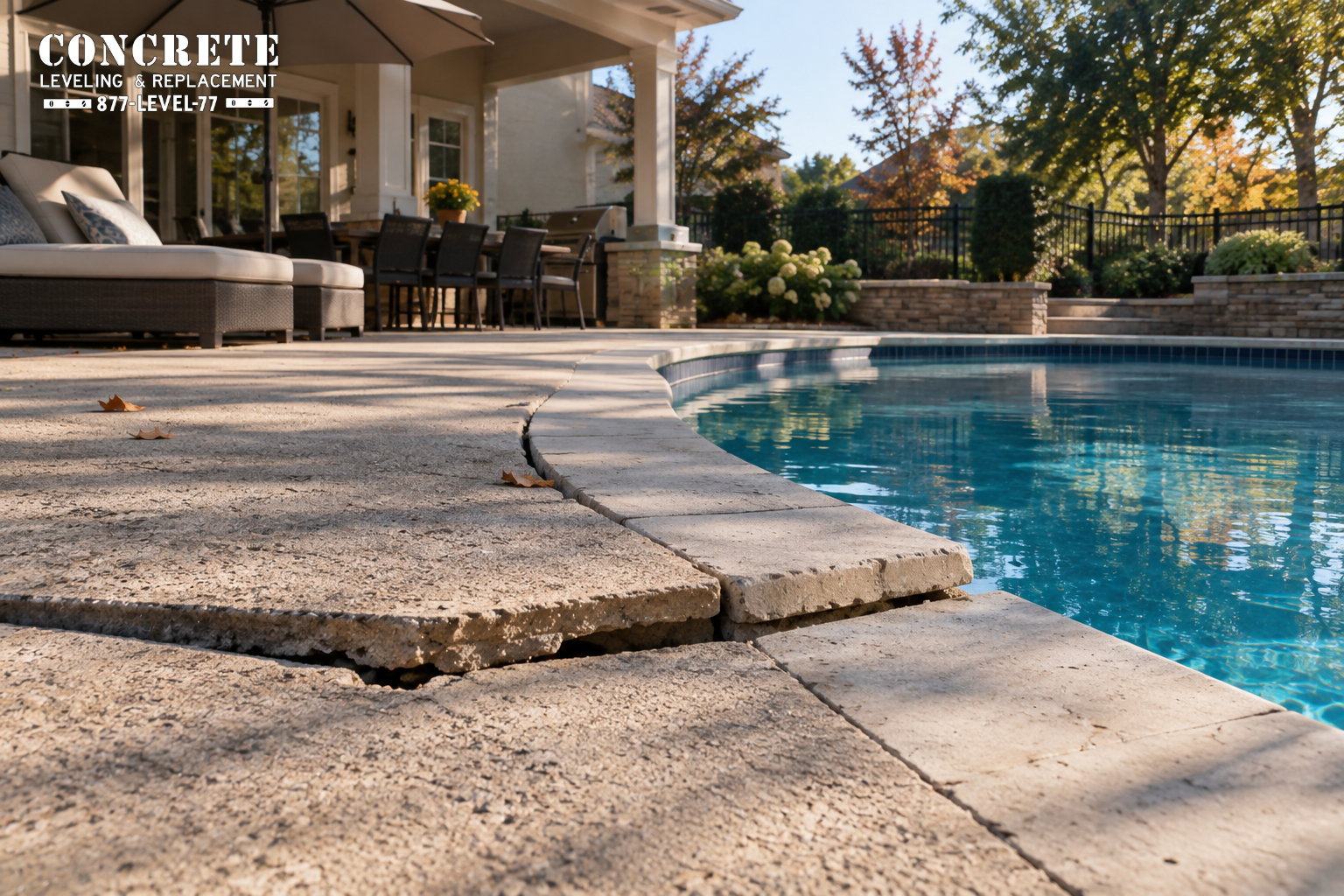
Concrete issues often start below the surface. Poorly compacted soil, soft spots, or bad grading can allow water to pool and erode support under the slab. Once the base shifts, the concrete settles unevenly, causing cracks and low spots that collect water. Over time, this can lead to sinking sections and structural stress. If the ground has already started to settle, combining drainage fixes with sidewalk repair or patio repair can restore both function and drainage.
Signs You Shouldn't Ignore
Noticeable Cracks and Widening Joints
Cracks are often the first sign that water is affecting your concrete. They may seem minor, but they can grow as moisture seeps in and temperatures change. Watch for cracks that widen, change direction, or form near joints and edges, as these often indicate movement beneath the slab. If cracks appear alongside uneven settling, it’s time for a professional inspection rather than a simple patch job.
Efflorescence and White Residue
Efflorescence is the powdery white residue left behind when water moves through concrete and evaporates, leaving mineral salts. While it might look cosmetic, it often means moisture is moving through the slab. Treat this as a warning sign, especially if it appears repeatedly after rain or snowmelt. It indicates that the concrete isn’t just wet on the surface; it’s actively drawing in moisture.
Dampness, Soft Spots, and Uneven Surfaces
Basements, crawl spaces, and garage floors often show early signs of water intrusion with damp spots or musty smells. Outside, you might see puddles, sinking edges, or areas that stay wet long after it rains. These signs often point to drainage issues, soil erosion, or slab settlement. In such cases, a complete solution like concrete floor repair or garage floor repair might be needed to address the root cause and protect the slab from further moisture damage.
How to Stop Water Damage Before It Starts
Start with Proper Site Prep
The best waterproofing begins before you even pour the concrete. A well-compacted base that drains properly helps keep water from collecting under the slab. If the soil beneath is loose or uneven, water can find low spots and create unstable support. Proper grading should direct water away from the slab, not toward it, which is one of the simplest ways to ensure long-term durability.
Pick a Sturdy Mix
Experts recommend a low water-cement ratio to create denser, stronger concrete that resists moisture. A ratio of 0.45 or lower is often suggested for durability because it decreases internal pores and boosts strength. Additives like fly ash and air-entraining agents can also enhance performance, especially in freeze-thaw environments. These materials help concrete resist damage while maintaining strength, making them a smart choice for slabs exposed to the weather.
Sealants and Coatings Are Key
Protective sealants and coatings add another layer of defense against water. Penetrating sealers can help reduce absorption, while surface coatings protect from stains and repeated wetting. The trick is to choose the right product for your environment and reapply it regularly. For exposed surfaces like patios and walkways, a good sealer can extend the life of the concrete and reduce maintenance costs over time.
Install Good Drainage Solutions
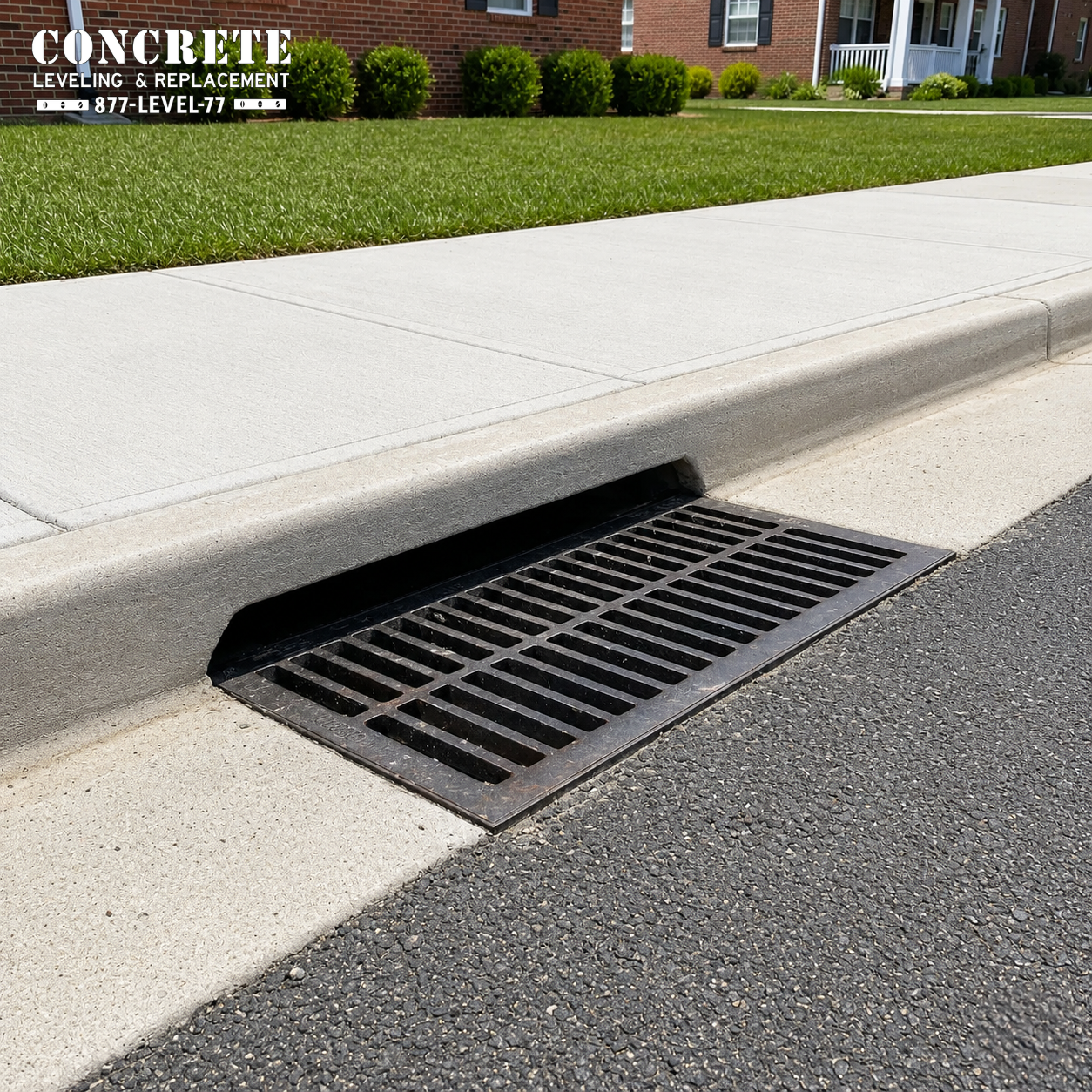
Drainage is often overlooked in concrete protection. Gutters, downspouts, grading, trench drains, and catch basins all work together to move water away from slabs. If runoff has nowhere to go, it will settle around and under the concrete, increasing the risk of erosion and settling. In commercial settings, catch basin repair and curb & gutter repair can be crucial for keeping pavement systems dry and stable.
Hot Trends in Concrete Water Protection
Low-Permeability Mixes Are the Norm
Recent advances in concrete technology focus on reducing permeability. Low water-cement mixes, supplementary cementitious materials, and improved additives help limit moisture movement through the slab. This trend reflects a shift in the industry: instead of just relying on surface treatments, builders are designing concrete to resist water from within, which results in stronger slabs and a longer lifespan.
Air Entrainment for Freeze-Thaw Durability
Air-entraining agents create tiny air pockets in concrete that relieve pressure when water freezes. This simple innovation has become a standard practice in colder regions. When combined with proper finishing and curing, air entrainment can significantly improve a slab's ability to handle harsh weather conditions.
Modern Coatings Offer More Than Looks
Today's sealants and coatings are designed to do more than just make concrete look clean. Many products are engineered to repel moisture, reduce chemical exposure, and improve resistance to surface wear. In high-traffic areas, this can make a big difference in both maintenance frequency and appearance.
Maintenance Habits to Dodge Costly Repairs
Check After Heavy Rain and Winter Weather
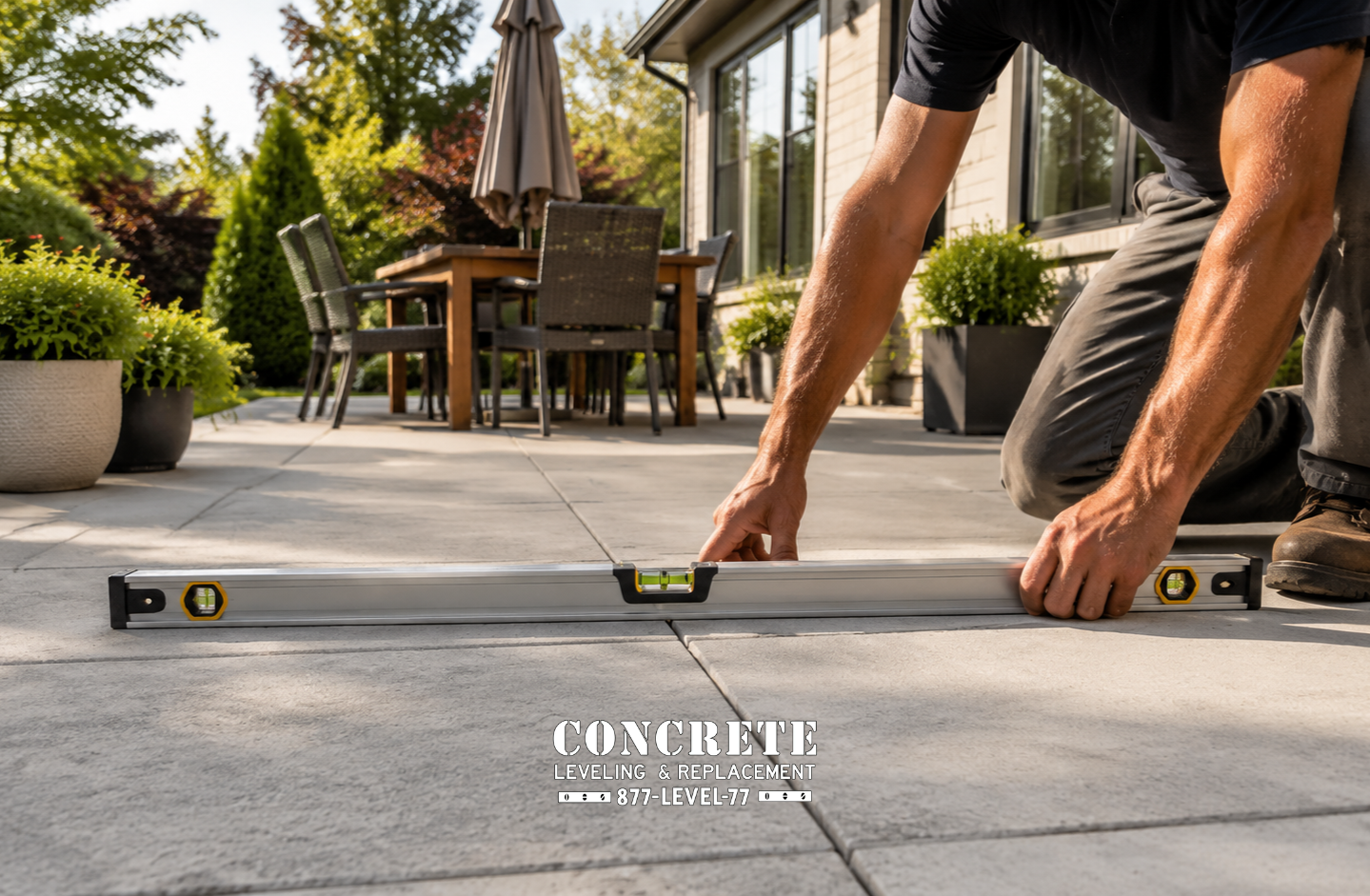
Regular inspection is one of the easiest ways to prevent small water issues from turning into major damage. After storms or wet weather, walk your property and look for pooling water, cracks, or uneven slabs. If you notice damp areas or sinking, take action quickly. The sooner you address moisture-related issues, the more likely you are to correct them with a targeted repair instead of a full replacement.
Keep Joints Sealed and Clear
Joints are necessary in concrete design but are also common entry points for water. Sealants around joints should be checked regularly, especially in exposed slabs. Leaves, dirt, and debris can trap moisture and block drainage paths, so routine cleaning is more important than many realize. Simple maintenance like sweeping, power washing, and resealing worn areas can greatly reduce water intrusion.
Watch Drainage Areas Near Downspouts
Downspouts that discharge too close to concrete can flood the surrounding soil and cause hidden erosion beneath slabs. Low spots near patios, sidewalks, and driveways should be fixed before they worsen. If you already see signs of sinking or unevenness, concrete leveling can restore the proper slope and improve drainage.
What You Can Do Right Away
For Homeowners
Start with a simple inspection of your driveways, walkways, porches, and garage floors. Look for cracks, standing water, and changes in slope. Check that gutters and downspouts direct water away from concrete surfaces. If recurring settlement is an issue, consider professional evaluation to address the root cause rather than just patching the symptoms.
For Business Owners
Commercial properties face heavier traffic and more complex drainage systems. Loading zones, sidewalks, and floor slabs endure constant stress from weather and vehicles. In these settings, small moisture problems can create liability concerns and interruptions. Services like factory floor repair and interior floor repair can help restore safe, functional surfaces while also addressing the conditions that caused the damage.
Why Honest Diagnosis Matters
Not every crack needs replacing, and not every uneven slab needs a full tear-out. The best repair plan starts with an accurate diagnosis of drainage, soil conditions, and settlement patterns. An experienced contractor can save you money by recommending the right solution for your specific conditions.
Real-World Example: Fixing Things Early to Avoid Bigger Issues
A Local Business Case Study
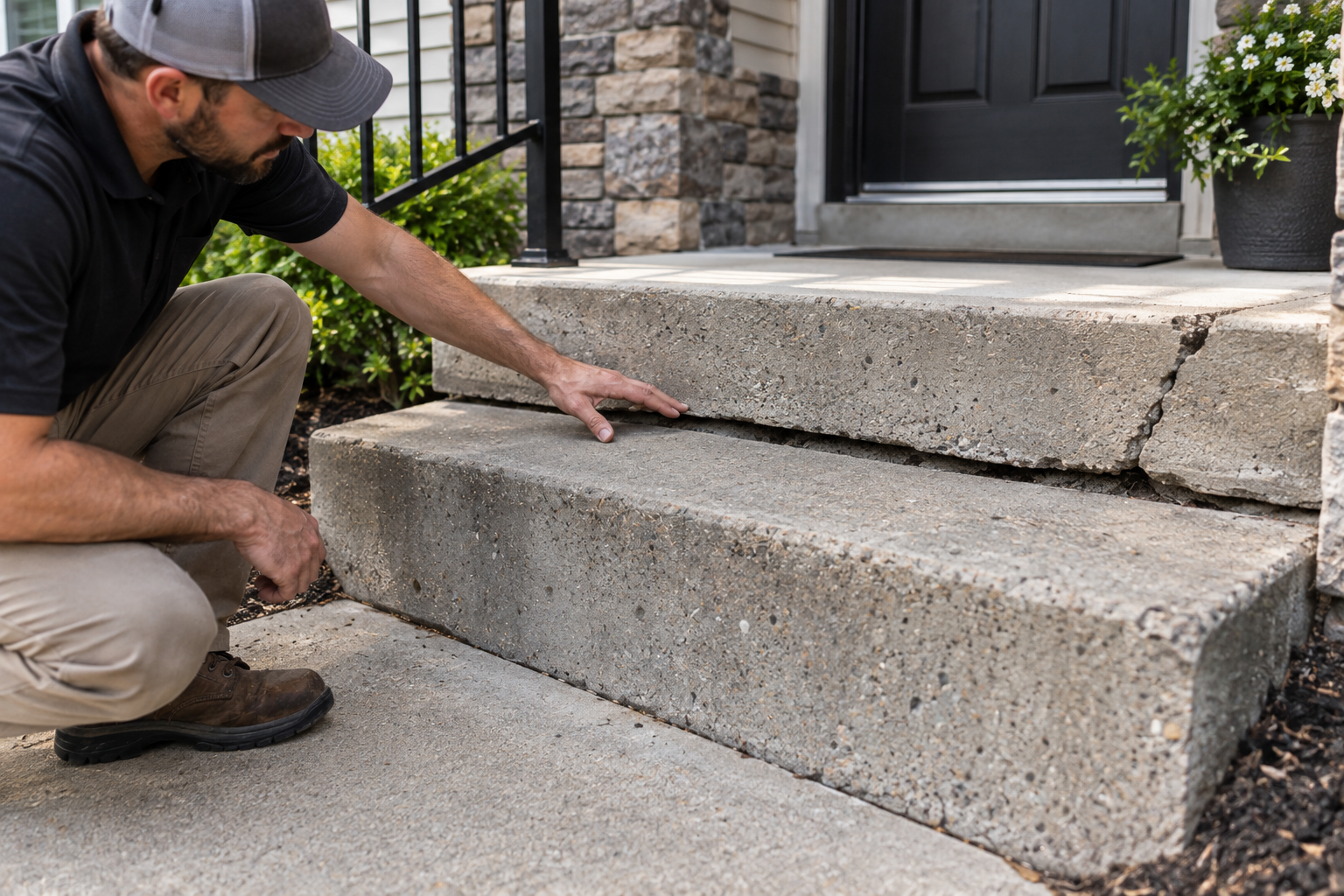
Imagine a business notices a sidewalk section starting to sink near an entryway. It looks minor at first, but the low spot collects water when it rains. That extra moisture softens the base, widens the crack, and eventually creates a trip hazard. By addressing the settlement early with step repair and concrete leveling, the owner can restore safe access and prevent deeper water intrusion.
Why Local Climate Matters
Michigan’s weather adds stress to concrete because of repeated moisture, temperature swings, and freeze-thaw cycles. In Romulus and nearby areas, slabs that might last in milder climates can deteriorate faster if drainage and base support are poor. Local expertise is crucial—repairs should not just fix the visible damage but also account for how the surface interacts with seasonal moisture and soil movement.
Long-Term Value of Early Action
Research shows that preventing moisture damage is far less expensive than replacing failed concrete. Preventive measures can reduce water-related damage by up to 80%, making early action a smart move. Investing in drainage correction, sealing, leveling, and routine inspections helps protect the concrete and the property value attached to it.
FAQ: Common Questions About Water Damage and Concrete
How Can I Tell If My Concrete Is at Risk of Water Damage?
Look for cracks, efflorescence, persistent dampness, standing water, sinking edges, or areas that feel unstable. If you see any of these signs, moisture may be entering the slab or weakening the base. A professional inspection can help determine whether the issue is surface-level or structural.
What's the Best Way to Waterproof Concrete?
The best approach combines several strategies: proper site prep, a durable low-permeability mix, sealants or coatings, and drainage solutions that move water away from the slab. No single product solves every problem. Long-term protection comes from addressing both the concrete itself and the conditions around it.
How Often Should Waterproofing Measures Be Checked?
At a minimum, concrete should be inspected seasonally and after severe weather. Sealants may need reapplication based on exposure, traffic, and product type. If drainage systems clog or grading shifts, those issues should be corrected quickly to prevent water from pooling.
Can Already Damaged Concrete Be Saved?
In many cases, yes. If the slab is structurally sound but has settled or developed drainage-related issues, leveling and repair may restore function without full replacement. If the concrete has widespread deterioration, deeper replacement may be necessary. An experienced contractor can help determine the most practical path forward.
Wrap-Up: Keep Your Concrete Safe from Water
Preventing water damage in concrete isn't complicated, but it takes some attention. The biggest wins come from smart site preparation, durable mix design, proper drainage, sealing exposed surfaces, and regular checks. Catch problems early, and you can often avoid costly replacements while keeping surfaces safe for longer. If you notice cracks, pooling water, or sinking slabs, it’s time to act. Concrete Leveling & Replacement offers practical solutions that tackle the root cause of damage and help extend the life of your concrete. Check out our service area, learn more about our repair options, or call (734) 895-3820 to request an evaluation. Protect your concrete now, and avoid bigger repairs later.