The Concrete Repair Process in High-Traffic Areas
Why Fixing Concrete in Busy Areas is Important
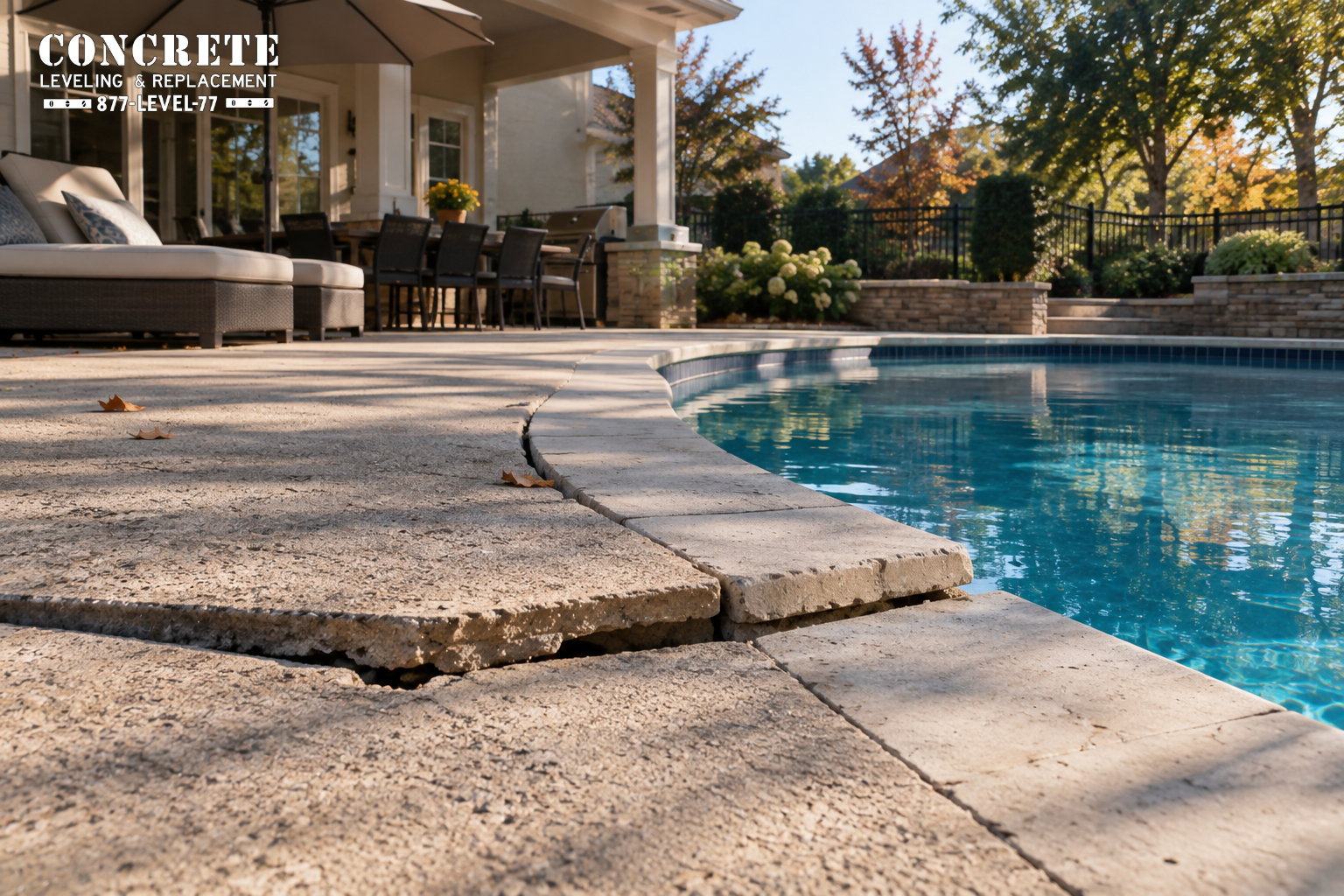
Safety: Reducing Trip Hazards and Liability
Concrete in busy areas like airports, industrial yards, and sidewalks gets a lot of wear and tear. Cracks and uneven surfaces can cause accidents and damage vehicles, leading to injuries and costly claims. Fixing these issues helps prevent accidents and protects property owners from legal trouble.
It's usually cheaper to repair concrete than to deal with accidents or replace it entirely. Simple fixes can restore safety and help property owners comply with safety regulations.
By focusing on specific repairs instead of full replacement, you can keep busy areas functional and safe with minimal downtime. This is especially important for areas that need to meet accessibility and safety standards.
Functionality: Keeping Everything Running Smoothly
Places like loading bays and factory floors need smooth, durable concrete to operate efficiently. Uneven surfaces can slow down work and cause damage to vehicles and equipment. Quick repairs get things back to normal fast.
Techniques like concrete leveling and using fast-setting concrete help facilities reopen quickly, saving time and money. If you're dealing with heavy-use areas, consider professional concrete floor repair services to deal with both surface and structural issues.
Planning repairs around your operations, like scheduling work during off-peak hours, can help minimize disruptions and keep things running smoothly.
Aesthetics and Curb Appeal
Beyond safety and functionality, well-maintained concrete looks good, too. Cracked or stained surfaces can make a property look less appealing, affecting sales or leasing opportunities. Resurfacing or sealing can improve how a place looks and extend its life.
Applying surface treatments like color overlays or sealants can protect against stains and UV damage, making them ideal for storefronts and parking areas. Regular maintenance keeps properties looking good and avoids the higher costs of replacement.
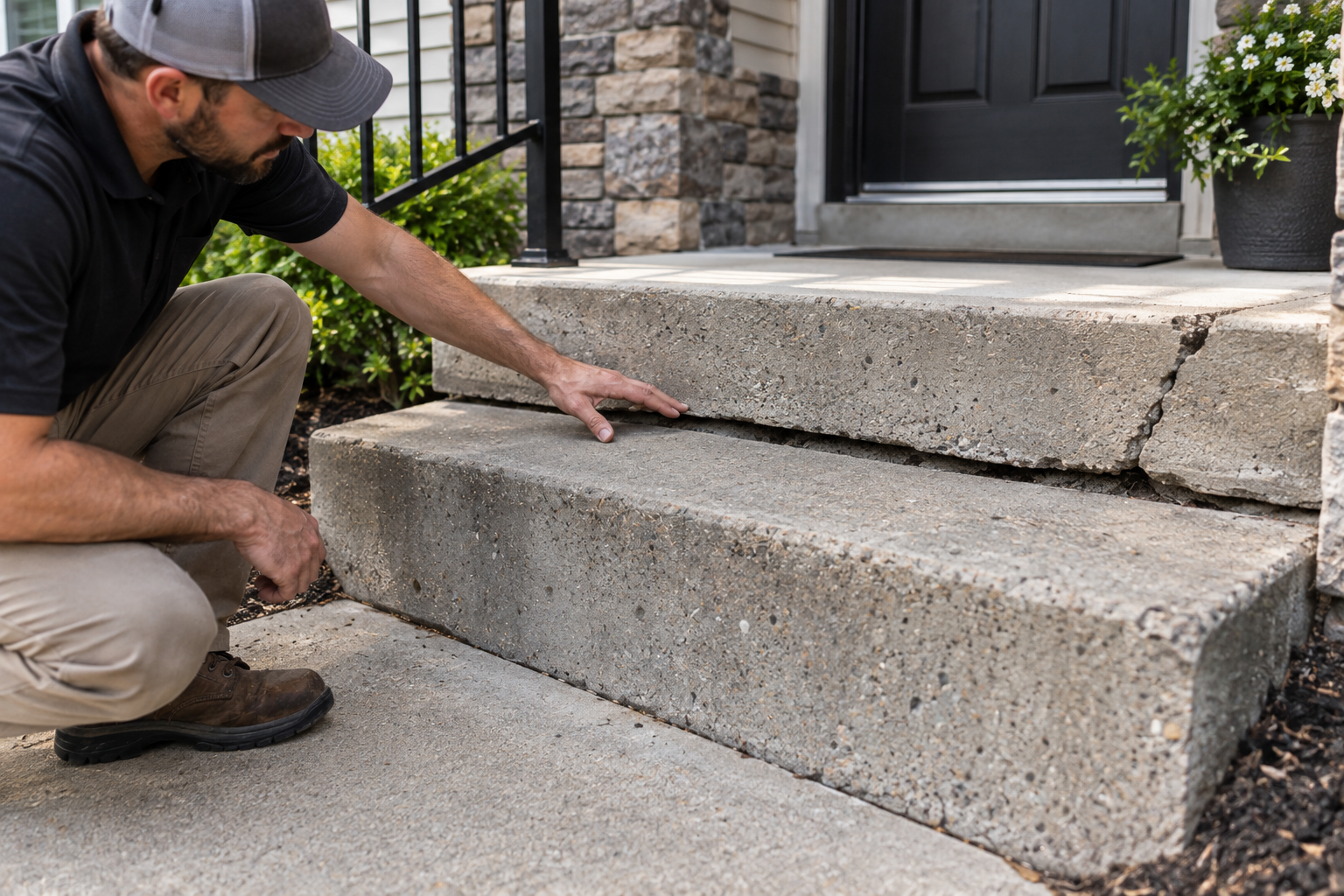
For areas like entryways or steps, our team offers step repair options to enhance appearance and safety.
Inspection and Assessment: The First Crucial Step
Proactive Maintenance and Modern Inspection Tools
Modern inspection methods use regular visual checks along with sensors and cameras to spot problems early. Catching issues like small cracks or drainage problems early can prevent larger repairs later. Using technology like sensors can help extend the life of concrete and save on maintenance costs.
These proactive steps help prioritize repairs, allowing maintenance teams to plan budgets and schedule work efficiently. For asset-heavy sites like airports, this approach keeps things running smoothly and avoids emergency repairs.
Having regular inspections as part of your management protocol is essential. Our interior floor repair and exterior solutions can be tailored to your needs following an inspection.
Visual Inspection Checklist
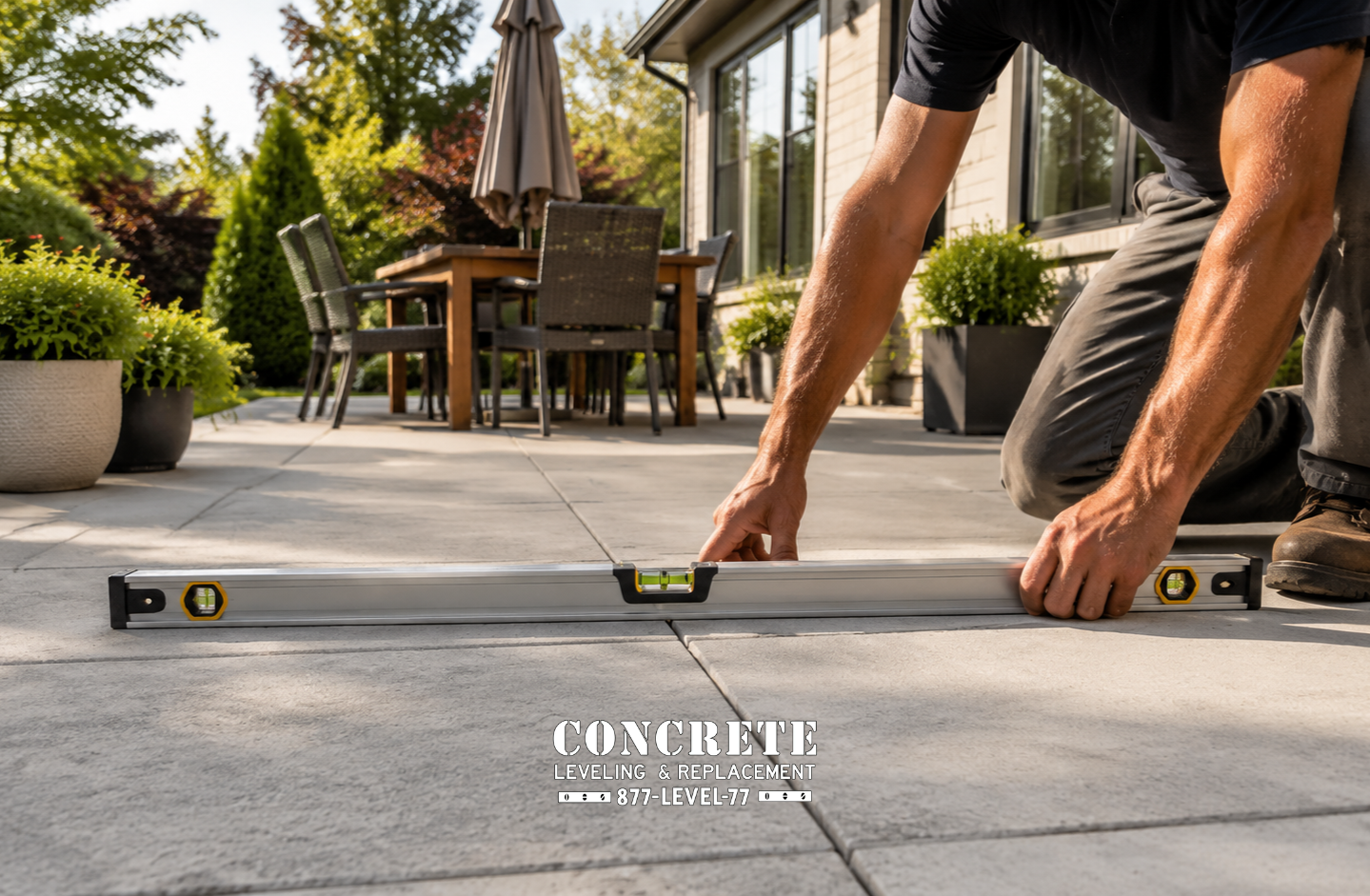
Having a consistent checklist helps inspectors quickly identify common issues. Look for cracks, spalling, uneven joints, standing water, oil stains, and signs of erosion. Keeping track of defect size and location helps decide which repairs are urgent.
Focus on problems that affect safety or function when planning your repair budget. For example, a crack in a busy loading lane might need attention sooner than a minor crack in a sidewalk.
When inspections reveal issues like settlement or voids under slabs, consider services like concrete leveling to restore stability.
Testing and Diagnostics
Beyond visual checks, diagnostic tests like core sampling and ground-penetrating radar provide data on slab conditions and reinforcement status. These tests help decide if a repair needs to be a patch or a full replacement.
Analyzing materials in a lab can uncover causes of deterioration, such as chemical attacks or freeze-thaw cycles. This information helps choose the right repair materials to prevent future issues.
Investing in good diagnostics upfront can prevent costly repairs and ensure long-lasting results.
Common Damage Types and Underlying Causes
Cracks and Joint Failures
Cracks can occur for a variety of reasons, including thermal movement and poor construction practices. Joints may fail due to improper spacing or inadequate sealant. If left unchecked, these issues can lead to significant damage.
Different cracks need different repairs. Hairline cracks can be sealed to prevent moisture, while larger ones might need more extensive solutions like dowel bar retrofits.
Understanding crack causes helps choose the right repair strategy, ensuring long-term success.
Surface Wear, Delamination, and Scaling
Traffic, deicing salts, and freeze-thaw cycles can wear down surfaces, leading to delamination and scaling. This exposes aggregates and reduces skid resistance, affecting durability.
Repair options range from overlays to resurfacing with special mortars. Surface treatments can help prevent future damage.
Ignoring surface problems can lead to deeper structural issues, so timely repairs are crucial in high-traffic zones.
Settlement, Voids, and Subgrade Problems
Settlement occurs when underlying soils shift, creating voids that cause slabs to sink or tilt. Poor drainage or construction can worsen these issues.
Diagnosing subgrade problems might involve scanning or test pits. Solutions include injecting polyurethane or mudjacking to lift slabs. Proper drainage and compaction are key to preventing recurrence.
Addressing the root causes ensures more durable repairs and less disruption in busy areas.
Repair Techniques and Materials: What Works Best in High-Traffic Zones
Crack Sealing and Joint Repair
Crack sealing is a cost-effective way to prevent moisture damage. Hot-pour sealants or epoxy injections are chosen based on crack size and traffic load. For joints, replacing sealant and restoring geometry helps maintain load transfer.
Proper surface prep ensures repair durability and is commonly used for sidewalks and drive lanes.
Concrete Leveling: Slab Lifting and Polyurethane Injection
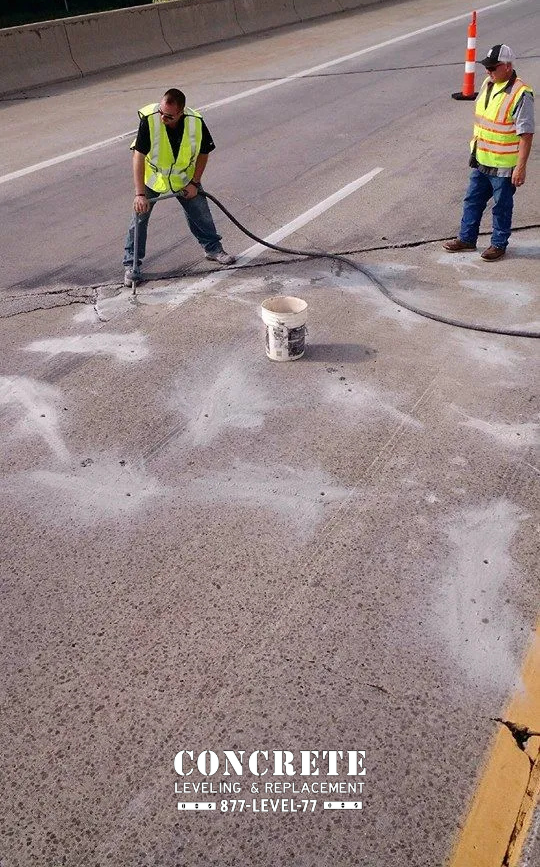
Concrete leveling restores grade and removes trip hazards by stabilizing settled slabs. Polyurethane foam injection is a quick method that allows same-day reopening in many cases.
These techniques often cost less than full replacements and preserve existing surfaces.
For heavy-load areas, combining leveling with surface strengthening can improve performance.
Rapid-Strength Concrete and Overlays
Rapid-strength concrete allows quick reopening of high-use areas. These materials are ideal for busy places like airports and loading docks.
Overlays can refresh worn surfaces without full-depth reconstruction. Proper bonding and preparation are essential for success.
These materials are increasingly popular for infrastructure repairs, reflecting their value in urgent scenarios.
Smart Materials and Self-Healing Concrete
Smart materials like self-healing concrete automatically fill cracks, reducing future maintenance needs. These materials are promising for infrastructure where long service life is key.
Combining smart materials with traditional strategies may extend intervals between major repairs.
While still developing, these materials should be chosen based on their expected performance in local conditions.
Surface Treatments and Preventive Strategies
Sealants, Coatings, and Protective Treatments
Surface sealants and coatings protect concrete from water, salts, and abrasion. Choosing the right treatment depends on traffic type and exposure.
For industrial floors, epoxy and polyurethane coatings resist chemical attack. For sidewalks, breathable sealers reduce water penetration.
Regular reapplication keeps treatments effective over time.
Preventive Resurfacing and Scheduled Maintenance
Preventive resurfacing includes overlays and joint resealing based on regular inspections. These approaches delay major repairs and extend service life.
Creating a multi-year maintenance plan with scheduled interventions minimizes operational impact.
Studies show that preventive programs can significantly extend service life when done consistently.
Drainage Fixes and Grading Corrections
Water infiltration and poor drainage cause many concrete problems. Installing or fixing drains and ensuring proper grading reduces the chance of damage.
Correcting drainage is crucial for lasting repairs. Coordinating with utility locators and permits is essential to avoid surprises.
Case Studies and Real-World Examples
Missouri Cross-Stitching Projects
State projects show that cross-stitching and preventive repairs work well under heavy traffic. Missouri's interstate projects reported good performance over a decade, proving that targeted reinforcement extends pavement life.
These methods can be more cost-effective than repeated patching or early replacement.
Using similar strategies on commercial sites can reduce costs while maintaining functional surfaces.
Minnesota Thin Overlay Success
Minnesota's thin overlay projects have shown positive results, with overlays lasting nearly ten years and expected to last much longer.
Such projects guide property owners considering overlays for parking areas and roads. Proper bonding and preparation are critical.
State reports offer technical insights for choosing effective strategies: state DOT report on cross-stitching and overlays.
Local Relevance: Romulus, MI, and Industrial Hubs
Romulus, MI, with its high-traffic infrastructure, faces unique wear and maintenance needs. Heavy loads and exposure to elements accelerate deterioration.
Local contractors like Concrete Leveling & Replacement understand these challenges and offer solutions tailored to the climate and traffic.
For targeted local services, explore options like curb and gutter repair or catch basin repair to address stormwater and edge failures.
Planning, Costs, Timelines, and Choosing the Right Contractor
Estimating Costs and Budgeting
Costs vary based on method and location. Accurate estimates depend on diagnostics and material selection. Prioritizing safety and functional repairs offers better returns than cosmetic work.
Budgeting should also include indirect costs like temporary protection for nearby structures.
Timelines and Rapid-Strength Solutions
Rapid-strength concrete allows faster reopening of busy areas. These mixes reach capacity for light traffic within hours.
Proper planning ensures repairs are done safely and efficiently. Discuss timelines and contingency plans with your contractor to avoid misunderstandings.
Choosing a Contractor and Warranties
Select contractors with experience in high-traffic repairs and transparent pricing. Concrete Leveling & Replacement offers honest evaluations and experienced crews.
Ask about materials, curing methods, and warranties. A written scope and warranty protect both parties.
Request case studies or similar project examples to ensure the contractor follows local codes and best practices.
FAQ and Troubleshooting Common Concerns
Wondering how to prevent concrete damage in busy areas? Regular inspections, timely crack sealing, and addressing drainage issues help.
Watch for signs like cracks, uneven surfaces, and water pooling. These indicate needed repairs.
Repair times vary, but rapid-strength materials can shorten closures, sometimes allowing reopening within hours.
Additional Resources and Industry Guidance
Federal and State Technical Guidance
Federal resources offer frameworks and guidance for pavement maintenance. The Federal Highway Administration provides pavement preservation strategies, detailing when treatments are appropriate.
Pairing federal guidance with state findings and diagnostic results in robust maintenance plans that meet both performance and budget goals.
Research and Academic Perspectives
Research offers case studies and performance data for overlays and innovations. State reports and university research document successful maintenance techniques.
For a quick background, public references like Wikipedia explain concrete terms: Concrete on Wikipedia.
Combining research with experience yields practical repair strategies for high-traffic areas.
Practical Next Steps for Property Managers
Start by scheduling a thorough inspection and documenting issues. Use this to prioritize urgent repairs and develop a maintenance plan.
Engage a qualified contractor to propose a phased approach that balances cost and performance.
Consider technology like cameras or sensors for large sites to track deterioration trends.
Conclusion and Call to Action
Summary of Key Takeaways
Repairing concrete in busy areas involves inspection, targeted repairs, and preventive maintenance. Using durable materials reduces downtime and extends service life.
Proactive maintenance and proper drainage correction are cost-effective ways to protect assets. Case studies show that well-designed repairs can last 10 to 20+ years.
Choosing experienced contractors ensures repairs address underlying causes and provide long-term value.
Contact Concrete Leveling & Replacement
If your property needs inspection or repair, contact us for a professional assessment. Our team in Michigan offers honest recommendations tailored to your property's needs.
Explore options like concrete driveway repair and sidewalk repair. Call (734) 895-3820 or email sales@concretelevelingpro.com to schedule an inspection and get an estimate.
Next Steps and Final Advice
Start with an inspection, prioritize safety and functionality, and develop a maintenance plan. Whether you need rapid-strength materials or leveling, the right strategy minimizes downtime.
Contact us today to set up an inspection and plan to keep your high-traffic concrete safe and functional for years to come.