Why Concrete Joints Fail in Roads and Parking Lots and What to Do About It
Concrete joints play a crucial role in roads and parking lots. They let slabs and pavements move a bit without cracking all over the place. These joints handle temperature changes and heavy loads, aiming to keep everything working smoothly. In this guide, we’ll explore why these joints sometimes fail, how to spot issues early, and what practical fixes can help extend their life. We’ll also share some solid advice, real-world examples, and tips on where to find expert help like concrete leveling when things go wrong.
Introduction: Why Joint Health Matters
The Role of Joints in Concrete Pavements
Concrete joints are planned breaks or weak spots in pavements. They help absorb movement and prevent random cracks. Usually, they’re cut or formed with fillers and sealants to guide where cracks happen and to keep water from getting to the base. When joints work well, they cut down on maintenance costs and keep the ride smooth and safe for everyone on the road.
What Happens When Joints Fail
Failed joints can spell trouble, from just looking rough to causing serious structural issues. Water can creep in, eroding the base and leading to uneven surfaces, potholes, or even dangerous tripping spots. For businesses, neglected joints can leave a bad impression and even lead to fines or legal problems. Regular checks and timely repairs keep things running smoothly and avoid hefty replacements.
How This Guide Helps Property Managers and Engineers
This guide is here to help property managers, engineers, and business owners get to the root of joint issues, instead of just treating the symptoms. You’ll learn how different factors like environment, materials, construction, and load affect joint health. We’ll give you practical steps and checklists to help you plan repairs, choose the right services—like sealing or leveling—and work with contractors for solid results.
Causes of Concrete Joint Failure
Temperature and Movement
Concrete expands and contracts with temperature changes, and joints are supposed to handle this. But if they’re not spaced right or sealed correctly, they can buckle or crack. The impact of this movement depends on the size of the slab, exposure, and local climate. Guidelines from agencies like the Federal Highway Administration emphasize proper joint spacing and construction practices.
Heavy Loads and Traffic
Parking lots and roads see a lot of traffic, from cars to heavy trucks. If the slabs and their support can’t handle the weight, stress builds up at the joints, causing cracks and separations. This often happens in high-traffic areas like entrances and loading zones. Good design and reinforcement can help spread the load and prevent damage.
Deteriorating Sealants
Sealants are the first defense against water and debris. Over time, they can degrade from the sun, chemicals, and weather changes. When they fail, water and dirt can seep in, eroding the base and causing the slab to settle. Regular maintenance and resealing can significantly reduce joint failure rates.
Construction and Design Issues
Bad construction practices, like incorrect spacing or poor base compaction, can lead to early joint failure. Cutting corners during construction and weak quality control are common culprits. Investing in proper design and oversight upfront saves on maintenance and prevents repeat problems.
Environmental Effects
Freeze-thaw cycles expand water in cracks, adding pressure that can cause more damage. Places with lots of freezing and thawing, like Romulus, MI, face more joint issues unless drainage is well-managed. Poor grading and water control can worsen the problem by trapping water near joints.
Signs and Symptoms of Joint Failure
Visible Gaps and Separations
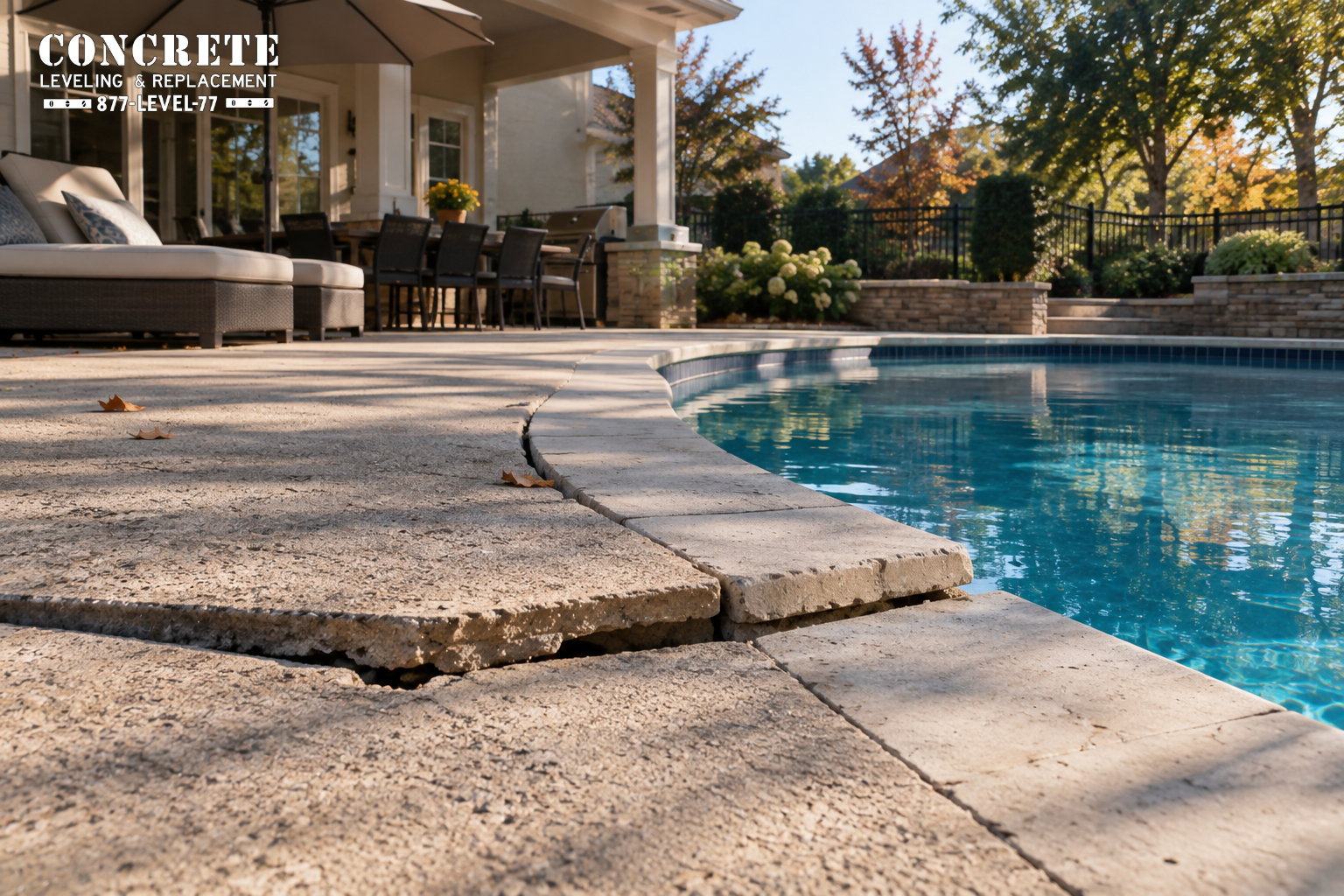
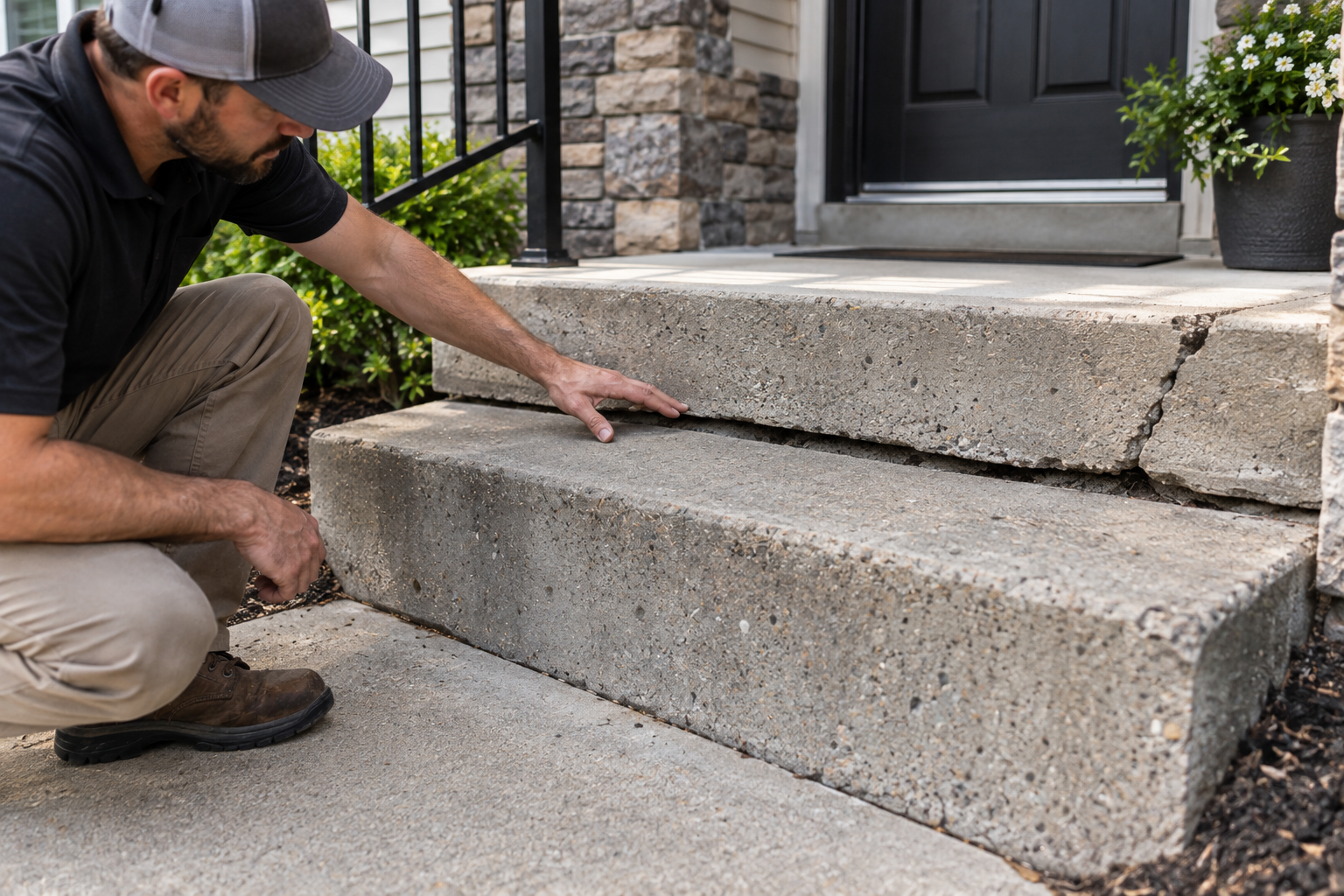
One clear sign of joint trouble is widening gaps between slabs. As filler deteriorates or soil erodes, these gaps become evident and can trap debris or become tripping hazards. Keeping an eye on the gap width can help decide if repairs like leveling or replacement are needed. Taking photos and measurements is a good practice for maintenance records.
Cracks Along Joint Lines
Cracks that run along or near joint lines show stress buildup and potential joint failure. These cracks can deepen over time, letting in water and causing more base damage. Regular inspections help determine if the cracks are from temperature, load, or unstable subgrades.
Uneven Slabs and Trip Hazards
Uneven or settling slabs can create serious safety issues. They can mess with drainage and snow removal and pose liability risks for businesses. Techniques like slab lifting or driveway repair can fix these issues without tearing everything out, especially if caught early.
Standing Water
Pooling water near joints after rain or snowmelt signals drainage problems. This standing water speeds up freeze-thaw damage and subgrade erosion, leading to joint failure. Good drainage solutions and regular catch basin maintenance can stop these problems from escalating.
Inspection and Diagnostic Strategies
Routine Visual Checks
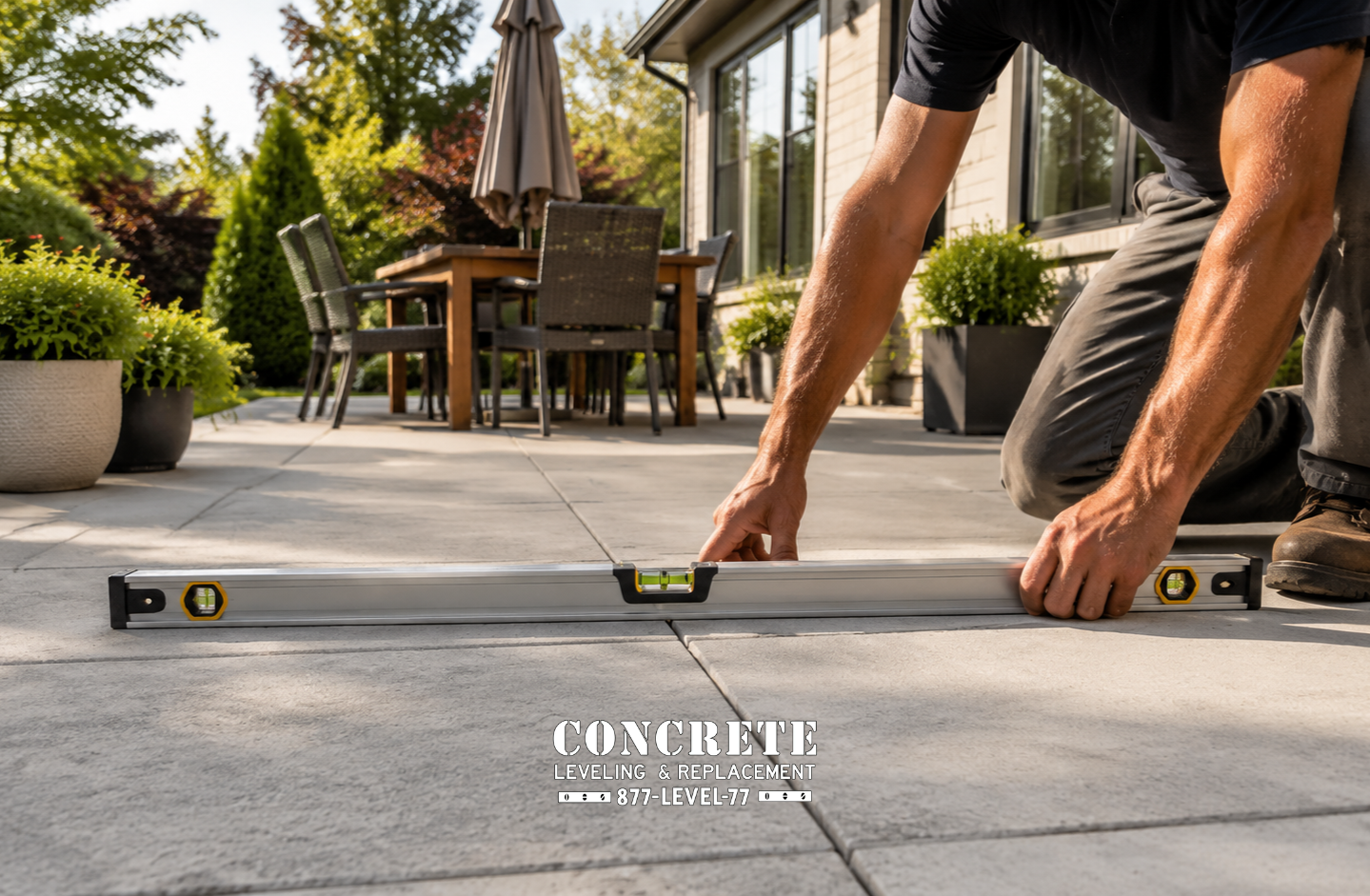
Create a regular inspection routine, taking photos of joints, measuring gaps, and noting cracks and water pooling. These checks are the first defense and help decide which joints need repairs. Use a consistent method and inspect seasonally, especially after bad weather, to catch early signs of trouble.
Advanced Testing Methods
Techniques like ground-penetrating radar and subgrade moisture testing can reveal hidden issues. These tests help determine if problems are just surface-level or deeper. For ongoing failures, these evaluations can find targeted solutions and avoid unnecessary full replacements.
Assessing Load Use
Knowing how much a road is used, like heavy deliveries or unplanned truck traffic, can explain joint stress. Checking past load records and current usage can show if joints are overloaded. Solutions might include strengthening the pavement or controlling heavy vehicle access.
Prioritizing Repairs
Not all joint damage needs immediate action. Prioritize repairs that affect safety, drainage, or structure first. Using inspection data, categorize repairs into urgent, medium-term, and long-term projects. This helps manage budgets while addressing critical issues quickly.
Preventive Measures and Good Practices
Design and Spacing
Design joints based on standards that consider slab thickness, temperatures, and loads. Correct spacing helps control cracks. In high-traffic areas, use features like dowel bars to maintain alignment and spread loads.
Using Quality Sealants
Choose sealants that match the movement range, sun exposure, and chemical contact at the site. Modern sealants provide long-lasting protection against water and debris. Proper installation ensures they last as expected.
Regular Maintenance
Routine maintenance that includes resealing at recommended times protects the base and extends pavement life. This should include cleaning joints and replacing failed materials. Combining resealing with minor repairs prevents larger problems.
Managing Loads
Design pavements for the heaviest loads and enforce rules to prevent overloading. Reinforced areas near loading docks and delivery zones reduce stress on joints. For lots seeing new heavy use, targeted strengthening is often more economical than full replacement.
Drainage and Grading
Ensure lots have good drainage that directs water away from joints. Correct grading and clean basins reduce water infiltration and freeze-thaw damage. Sometimes, installing drainage structures is the best way to protect joints in the long run, and services like catch basin repair are key.
Repair Techniques and When to Use Them
Joint Resealing and Partial Repairs
Resealing is often the first step when joint filler fails but the slab and base are sound. Clean out and apply new sealant; if there's spalling, do partial repairs first. For sites with regular sealing, this can restore a joint’s function and delay bigger jobs.
Slab Lifting and Leveling
When slabs settle due to voids, slab lifting or leveling is a cost-effective alternative to replacement. Techniques like polyurethane foam injection restore elevation and support while minimizing downtime. Many owners find concrete leveling saves time and money.
Full-Depth Joint Reconstruction
For heavily deteriorated joints with compromised bases, full-depth reconstruction may be necessary. This involves removing damaged concrete, fixing the base, and installing new joints. Though pricier, it restores long-term performance.
Edge Repairs and Curb Work
Failing joints often come with edge, curb, or gutter problems, worsening water intrusion. Fixing these alongside joint repairs ensures proper drainage and protects the joint from immediate damage. Contractors offering curb and gutter repair can coordinate these repairs for better results.
Case Studies and Real-World Examples
Hyatt Regency Walkway Collapse
The 1981 Hyatt Regency walkway collapse shows the importance of design and load transfer. While it involved walkways, not pavement joints, it highlights how design oversights can lead to failure. Such events teach the importance of sound joint detailing and construction (Wikipedia).
Parking Lot Repairs in High-Traffic Areas
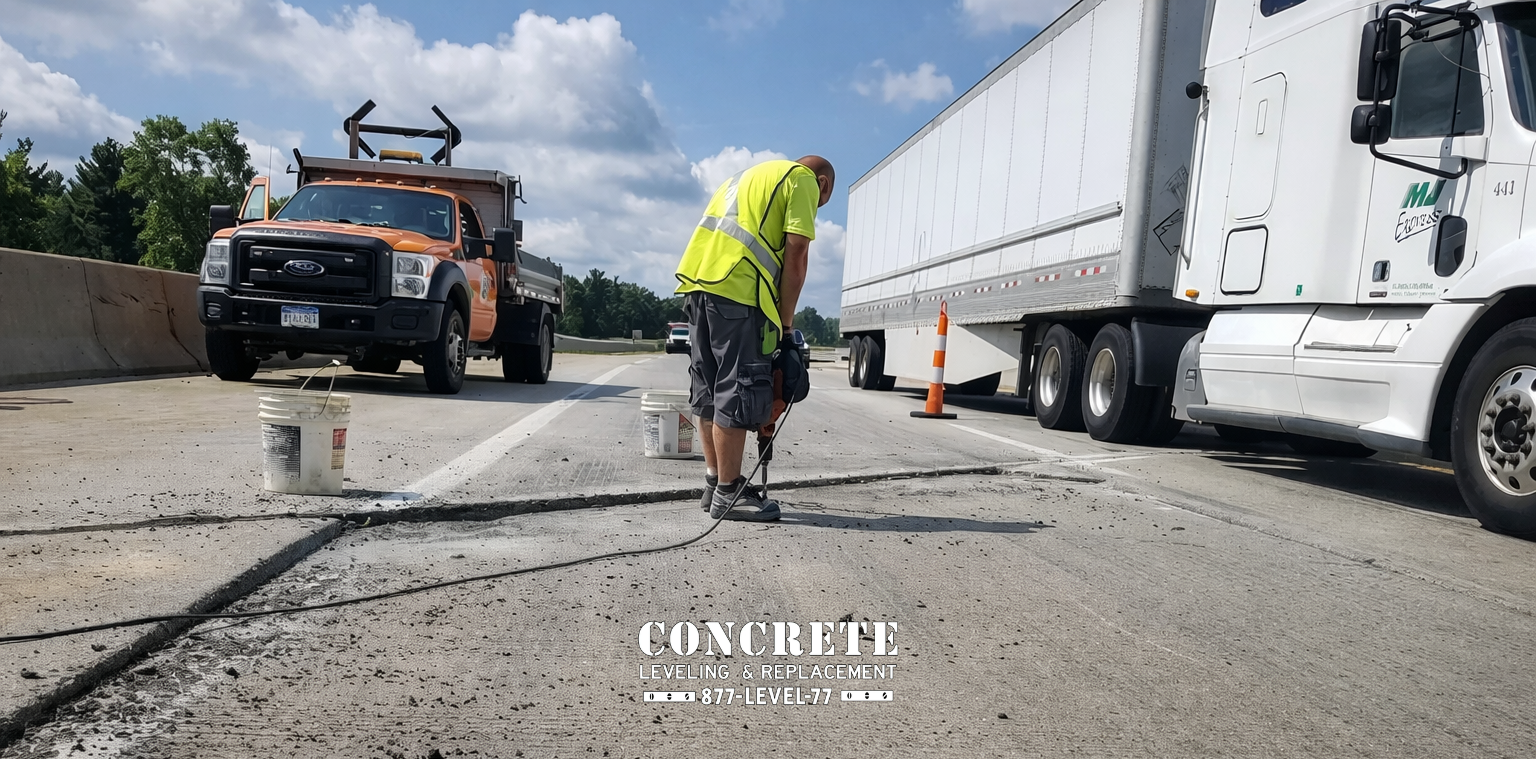
High-traffic commercial lots often see cracks and settling near delivery areas. Combining sealant renewal, slab lifting, and drainage improvements offers the best value. Targeted leveling and catch basin upgrades can add years of service while avoiding costly replacements.
Proactive Maintenance Saves a Lot
A municipal lot in a northern city faced joint spalling and sinkholes. By resealing, improving drainage, and lifting settled slabs, the city cut repair costs and avoided replacements. This highlights the value of routine maintenance and strategic fixes.
Local Example: Romulus Considerations
In Romulus, MI, big temperature swings increase freeze-thaw damage, making joint management key. Local contractors suggest early resealing and strong drainage solutions. Sidewalk and driveway repairs combined with catch basin maintenance provide better outcomes than patches alone.
Local Climate, Code, and Material Considerations
Freeze-Thaw Cycles
Freeze-thaw cycles expand trapped water, breaking down concrete and sealants. Areas with frequent cycles need air-entrained concrete, proper drainage, and flexible sealants to slow deterioration.
Standards and Guidance
Industry standards like those from the FHWA guide joint spacing and maintenance. Referencing these during design and repair reduces the chances of failure. Consulting a pavement engineer helps align repairs with local codes (FHWA).
Choosing the Right Materials
Durable concrete mixes, air entrainment, and quality joint materials tackle many joint failure causes. High-performance sealants and backer rods provide long-term protection. In some cases, reinforced concrete in high-load areas cuts joint stress.
Troubleshooting Guide and FAQs
Does a Joint Need Resealing or Full Repair?
If the sealant is cracked but the slab is intact, resealing usually does the trick. If there’s a settlement, widening gaps, or water infiltration, more extensive repairs like slab lifting might be needed. Document the condition and consult a pro for recommendations.
Can Slab Lifting Fix Joint Separation?
Yes, slab lifting can handle separation from voids or settlement. Pairing it with joint resealing and base repair often restores function without replacement. But if the joint is extensively damaged, reconstruction may still be needed.
How Often Should Joints Be Inspected?
Inspections should happen at least twice a year, ideally in spring and fall. Resealing frequency depends on materials and exposure, but often ranges from 3 to 7 years in busy areas. Harsh climates may require more frequent checks.
Are Drainage Issues Causing Joint Problems?
Signs include standing water near joints, soft edges, and localized freeze-thaw damage. If repairs fail in the same area, drainage is likely the culprit. Fixing grading and drainage is essential for lasting repairs.
Working with Contractors: Best Practices
Choosing the Right Contractor
Pick contractors who specialize in concrete leveling and joint repair, not general landscapers. Look for experience with commercial pavements, references, and clear reports. Consider firms that explain options like floor repair versus full replacement.
Getting a Clear Estimate
Ask for detailed proposals that explain the cause of failure, recommended repairs, materials, and projected lifespan. Ensure the contractor includes traffic control and site protection measures to minimize disruption.
Warranties and Maintenance Plans
Check warranty terms for materials and workmanship. Many contractors offer maintenance plans that include periodic checks and resealing. Follow-up visits and a documented plan provide accountability and long-term value.
Conclusion and Next Steps
Takeaways
Concrete joint failure often comes from thermal movement, heavy loads, material wear, poor construction, and environmental stress. Early detection and preventive measures like proper design, quality sealants, and effective drainage can prevent costly problems. Repairs like resealing and slab lifting restore function when based on clear assessments.
Next Steps for Property Owners
Start with an inspection of your parking lots, focusing on joint gaps, cracks, water pooling, and alignment. Prioritize safety and drainage issues, and get a professional assessment for any concerning areas. Timely slab lifting and resealing can restore performance and prevent full replacements.
Get Expert Help
Concrete Leveling & Replacement offers over 25 years of experience serving Michigan. If you’re in Romulus and need an honest evaluation, call (734) 895-3820 or email sales@concretelevelingpro.com to schedule an assessment. Our team provides practical solutions like resealing, leveling, or curb restoration.
Further Reading and Resources
For more technical info, check out FHWA pavement program materials and climate guidance. For a notable structural failure case, see the Hyatt Regency walkway collapse on Wikipedia. Local and state guidelines also offer useful maintenance advice.
Ready to protect your pavement and avoid costly joint failures? Contact us for an on-site inspection or learn about our services, including sidewalk repair, driveway repairs, and catch basin repairs. Take action now to prevent minor joint issues from turning into expensive repairs.
External resources cited: Federal Highway Administration (FHWA) for pavement guidelines, National Oceanic and Atmospheric Administration (NOAA) for climate info, and Wikipedia for the Hyatt Regency case study.