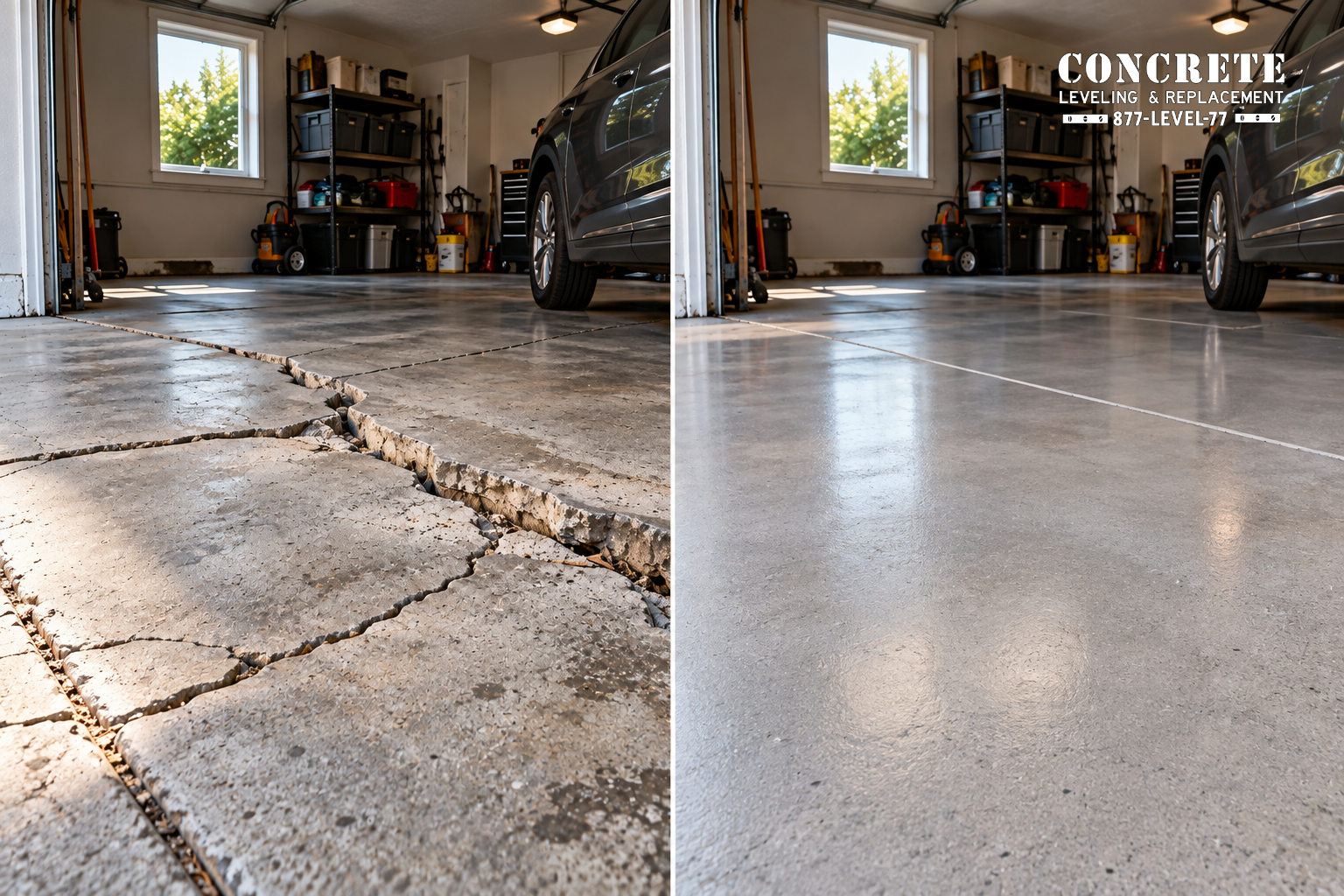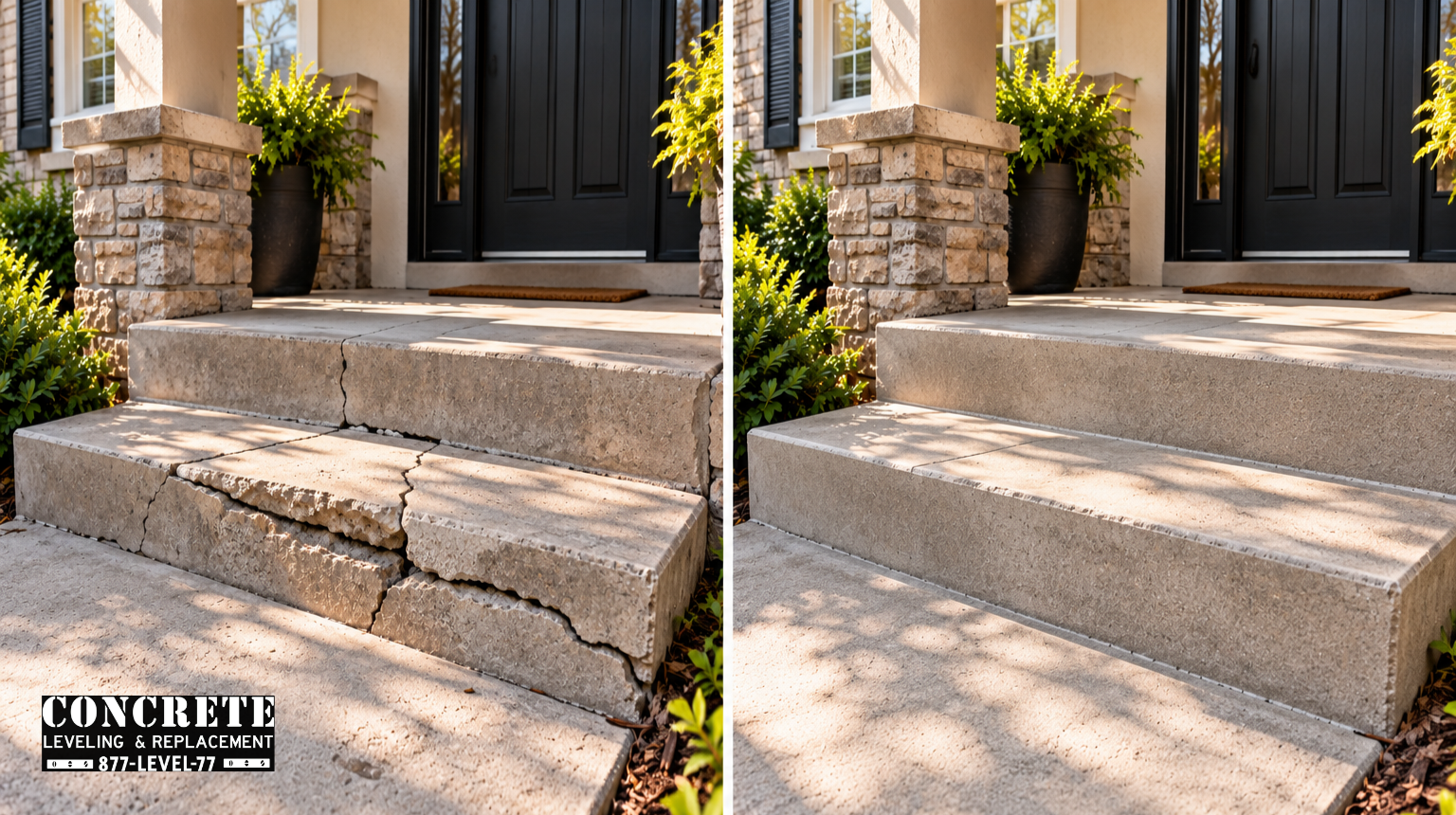
Got uneven concrete, sinking slabs, or trip hazards around your place? It’s not just a cosmetic fix you need; you're dealing with safety, drainage, accessibility, and long-term structural concerns. Polyurethane foam injection is a solid solution because it tackles the issue from the ground up, without making a mess on top.
In this guide, let's explore why polyurethane foam injection is a durable fix, how it works, where it shines, and how it stacks up against other methods. If you're already in the research phase, you might also look into concrete leveling, sidewalk repair, and concrete driveway repair to find the best solution for your needs.
For property owners, the aim is straightforward: fix the surface, stabilize the slab, and avoid having to redo the repair every few years. That’s where polyurethane foam shines. It’s lightweight, strong, and designed to fill gaps, lift settled slabs, and prevent future issues. Experts from the National Ready Mixed Concrete Association and Carnegie Mellon University highlight the importance of soil support and moisture control for extending concrete life.
Why Polyurethane Foam Injection Stands Out
It’s Light Yet Strong
Traditional methods often add weight to already weak soil. Polyurethane foam is different; it expands to fill voids without adding pressure on the soil. This matters when erosion or poor compaction is the issue. Instead of worsening the problem, the foam creates a stable layer to support the concrete.
Its lightweight nature makes it ideal for driveways, walkways, garages, porches, and commercial areas. It’s especially useful in areas with inconsistent soil or where slabs rest over utility trenches. Repairs can often be done quickly, allowing you to use the surface sooner compared to more disruptive methods.
Precision in Filling Voids and Lifting Slabs
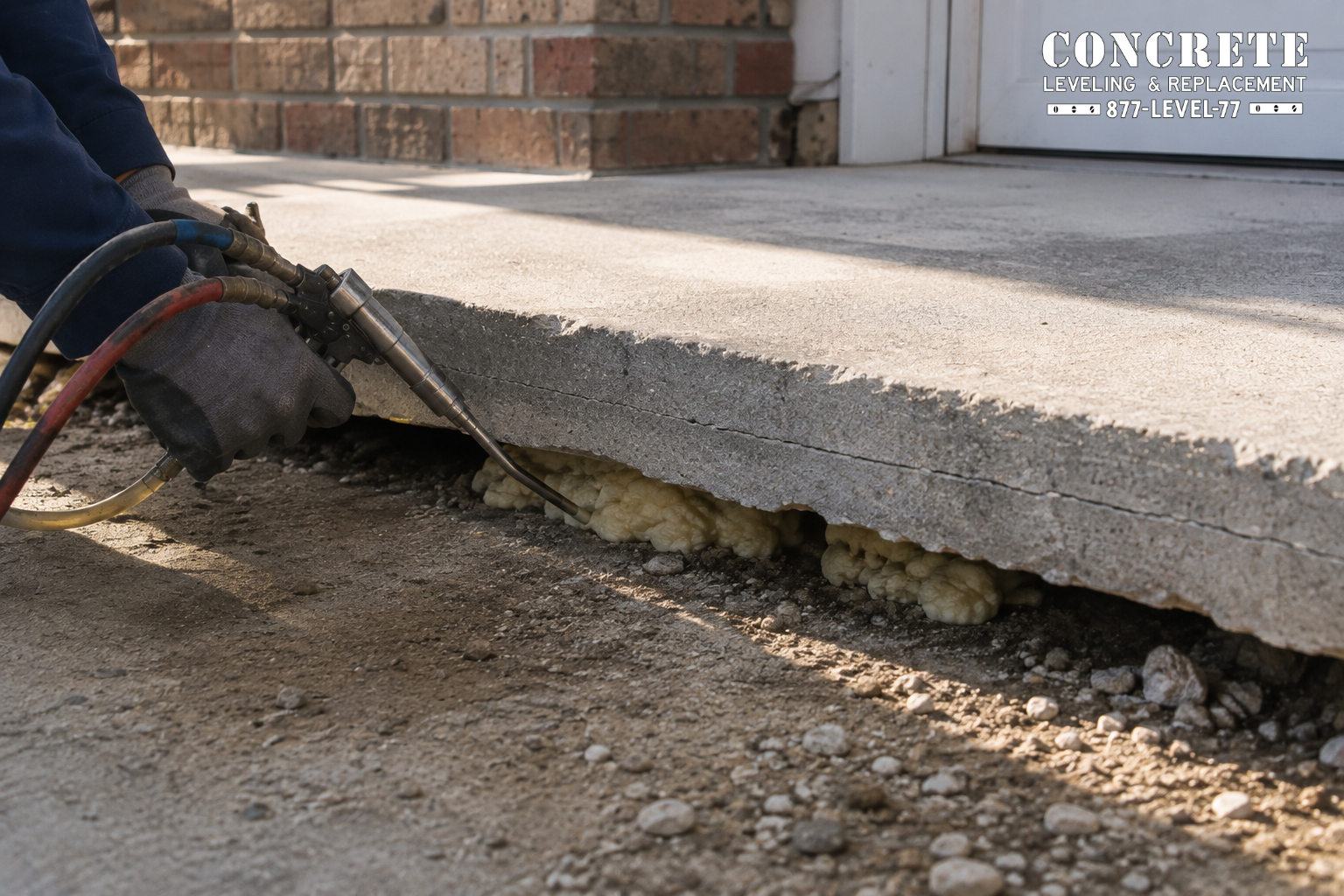
When concrete settles, there’s often a space beneath it caused by water runoff, soil settling, or freeze-thaw cycles. Polyurethane foam is injected through small holes and expands to fill these voids, gently lifting the slab back to the right level.
This precision is a major perk. A technician can monitor the lift in real time, stopping when the slab is back where it should be. This careful approach reduces the risk of over-lifting and restores a safe, flat surface without tearing out the concrete.
Why Polyurethane Foam Lasts
Resists Water and Breakdown
Polyurethane foam is long-lasting because it resists moisture. Unlike older repair materials, it doesn’t soak up water or break down in damp conditions. This makes it a great choice for areas that deal with seasonal rain or snowmelt.
Moisture can cause concrete to settle, and the U.S. Geological Survey has long studied how water movement affects soil stability. By using foam to stabilize voids under a slab, you’re reducing the space where water can erode support. This means the repair not only lifts the concrete but also protects it from the same conditions that caused the problem originally.
Creates a Stable Base
Concrete often fails because the support beneath it shifts over time. A slab might look fine on top but still sink if the soil below becomes loose or uneven. Polyurethane foam reinforces weak areas under the slab, improving load distribution. When weight is spread more evenly, the concrete is less likely to settle.
This stability is crucial for high-traffic areas like commercial entrances and residential driveways. If you're also looking at interior or garage spaces, consider garage floor repair and interior floor repair to complement slab lifting when needed.
Handles Traffic and Seasonal Changes
Durability isn't just about the material but also how well it holds up to daily use. Polyurethane foam stays stable under normal traffic loads and environmental changes. While no repair eliminates all future soil movement, foam injection offers a strong foundation that reduces the chance of re-settling when done right and with drainage issues addressed.
In colder climates, seasonal freezing and thawing can be tough on concrete. As soil expands and contracts, slabs may shift slightly over time. Polyurethane foam works well in these conditions because it provides consistent support without becoming brittle, unlike some rigid materials. This resilience helps make repairs last longer and perform consistently across different weather conditions.
Common Problems Solved by Polyurethane Foam Injection
Sunken Driveways and Garage Approaches
Driveways and garage aprons often face settlement issues first. These areas handle repeated vehicle weight and moisture from runoff. Polyurethane foam can lift these sections back into place, improving both function and curb appeal. If your driveway is part of a bigger settling issue, a complete concrete floor repair assessment might help decide if nearby surfaces need attention too.
This repair can make parking smoother, reduce scraping at the garage entrance, and prevent water from pooling near the slab edge. For businesses, it supports safer access for customers and employees while reducing liability concerns linked to uneven entry points. The repair is often completed with minimal interruption, which is why many choose foam injection over replacement.
Fixing Sidewalks, Patios, and Porches
Uneven sidewalks and porch sections are more than just annoying—they can be serious trip hazards. Polyurethane foam injection is perfect for these spots because it can level the walking surface without removing large chunks of concrete. This makes it a practical choice for properties needing quick, clean restoration.
Outdoor living spaces can benefit too. A settled patio might hold water, develop awkward slopes, or crack at the joints where slabs meet. Foam injection can stabilize the surface and improve drainage. Pairing it with patio repair or porch repair can result in a more complete and lasting outcome.
Commercial Slabs and Industrial Floors
Concrete settlement isn’t just a residential issue. Commercial and industrial properties deal with heavier loads and strict safety standards. Polyurethane foam injection is valuable here because it can lift and stabilize slabs with minimal downtime. This is crucial when closing part of a facility would disrupt operations or affect productivity.
For areas with heavy service traffic or equipment vibration, correcting settlement without full demolition can save time and money. Some facilities might also need specialized solutions like factory floor repair or catch basin repair if drainage structures contribute to the problem.
How the Repair Process Works
Inspection and Diagnosis
A successful repair starts with a thorough diagnosis. A reputable contractor will inspect the concrete, check drainage patterns, and assess soil conditions. This step is crucial because lifting concrete without understanding why it sank can lead to repeat issues later. The inspection should reveal whether the slab can be stabilized or if a different solution is needed.
At this stage, technicians might use elevation readings and visual markers to determine how much lifting is appropriate. If the slab has significant structural cracks or is beyond practical repair, replacement might be the better option. Honest evaluation matters, and experienced crews base recommendations on what the property actually needs.
Small Injection Points and Controlled Expansion
Once the repair plan is set, small holes are drilled into the slab at strategic spots. Polyurethane foam is then injected through these ports. The foam expands, fills voids, and starts to lift the slab. Technicians monitor the lift carefully so the surface returns to a usable position without stressing the concrete.
The process is efficient and relatively unobtrusive. Since the access holes are small, the surface often requires minimal cosmetic cleanup after lifting. In many cases, the repaired area can be reopened quickly, which is a big plus for busy households and businesses.
Final Adjustments and Sealing
After the slab is raised, the crew checks for levelness, stability, and proper alignment with nearby concrete. Any remaining joints or holes are sealed, and the surface is evaluated for drainage improvements. This step ensures the repair not only looks better but also performs better over time.
When drainage is part of the issue, the contractor might recommend grading changes or additional work to direct water away from the slab. Proper water management makes a big difference in repair longevity, which is why many properties benefit from combining foam injection with broader maintenance planning.
Why It Lasts Longer Than Other Options
Less Disruption Means Fewer Weak Points
Replacement is sometimes necessary, but it’s disruptive. Removing and repouring concrete introduces new seams and curing variables that could cause future settling. Polyurethane foam injection keeps the existing slab in place while improving what’s underneath. That means fewer disturbed areas and less chance for installation-related issues later.
Because the slab stays put, the repair avoids the extended downtime associated with demolition and repouring. For many, this practical advantage adds long-term value. The repair lasts longer not just because of the foam but because it reduces new risks introduced into the concrete system.
Supports Preventative Maintenance
Long-term performance depends on more than the repair itself. Once the slab is stabilized, preventative maintenance is key. Keeping gutters clean, improving downspout discharge, sealing openings where water can get in, and managing soil grading all help preserve results. For properties with recurring water issues, coordinating repair with drainage fixes can extend the slab's life significantly.
Guidance from sources like the U.S. Environmental Protection Agency emphasizes how controlling runoff and limiting water infiltration can reduce damage to structures and surrounding ground conditions. This advice aligns with concrete repair best practices. Foam creates the lift and stabilization, while maintenance preserves the benefit.
Delays or Eliminates Full Replacement
For many slabs, polyurethane foam injection offers a middle ground between patching cracks and full replacement. Replacement can be costly and time-consuming. If the concrete is still usable, lifting and stabilizing it can extend its service life without the need for complete removal.
This doesn’t mean replacement is never needed. Severely damaged slabs may still require removal. However, when settlement is the main issue, foam injection often provides the most efficient path to a durable result.
Are You a Good Candidate for Foam Injection?
Slab is Intact but Uneven
If your concrete is mostly in good shape but has started to sink or tilt, foam injection is often a smart option. The best results come when the slab can still be lifted structurally rather than rebuilt from scratch. Surface cracks are okay if they’re not causing the slab to break apart.
Common examples include driveways with a raised lip at the garage, sidewalks that have dropped near joints, and patios that slope toward the house instead of away from it. These are the issues foam injection is designed to correct efficiently with long-lasting results.
Drainage and Soil Issues are Involved
When settlement is tied to erosion, water washout, or poor compaction, polyurethane foam is especially useful. The foam stabilizes the slab while addressing the underlying moisture problem. This combination is important because lifting concrete without fixing the cause can lead to more movement later.
If you’re unsure whether your issue is drainage-related, look for signs like puddling, soil washout, or repeated movement after heavy rain. These warning signs often indicate that the slab needs support beyond just filling a crack.
Need a Fast, Practical Solution
Many choose foam injection because it’s quick. The work can often be done in hours, not days, and the area can be used again shortly after. This makes it ideal for active properties where disruption matters. In these cases, the repair's value isn't just in long-lasting performance but also in immediate convenience.
If you’re comparing options, check out local service coverage through our counties we serve page or explore specific locations such as Romulus to see how concrete repair works in your area.
FAQs About Polyurethane Foam Injection
How Long Does It Last?
With proper installation and basic drainage improvements, polyurethane foam injection can last many years. There’s no set timeline because conditions like soil, traffic, and moisture affect performance. In many cases, it lasts long enough to avoid full replacement for a very long time.
Think of foam injection as more than a quick cosmetic fix. It’s a structural method designed to stabilize the slab and reduce future movement. That’s why it’s seen as one of the most durable solutions for settled slabs.
Is It Better Than Mudjacking?
In many cases, yes. Mudjacking uses a heavier slurry, which can add weight to already weak soil. Polyurethane foam is lighter, more precise, and often cures faster. It typically requires smaller injection points and less surface disruption, making it a cleaner choice.
That said, the best method depends on the condition of the concrete and the soil beneath it. A good contractor should explain the differences clearly and recommend what fits your structure, not just their preference.
Can It Fix Cracks Too?
Foam injection helps address the settlement that often causes cracks, but it won't erase all cracking. Narrow cracks might be sealed as part of the process, while larger damage may need more attention. The key point is that stabilizing the slab can prevent cracks from getting worse.
In some properties, crack repair and leveling go hand in hand. If the slab is moving due to voids or unstable soil, fixing the support first is the smart move.
Why Trust a Professional Evaluation?
Not Every Uneven Slab Needs Replacement
A common mistake is assuming every uneven slab needs to be torn out. In reality, many settled surfaces can be restored with foam injection. A professional inspection can help determine whether the concrete is salvageable and if the conditions support a lasting repair.
This kind of honest evaluation saves time and money. It also helps avoid unnecessary work, which is especially valuable when the problem is localized rather than widespread.
Experience Matters for Long-Term Results
Polyurethane foam injection is effective, but results rely on the crew's skill. Proper injection pattern, lift control, and drainage assessment are essential for success. An experienced contractor knows how to read the slab, identify settlement sources, and make adjustments for long-term performance.
Family-owned companies with deep repair experience can be especially valuable. They tend to focus on practical outcomes and clear communication. If you’re considering a repair in the Romulus area, it’s worth working with a team familiar with Downtown Romulus and nearby neighborhoods where soil and drainage conditions vary.
Final Thoughts: A Reliable Repair for the Long Haul
Durable, Quick, and Sensible
Polyurethane foam injection has earned its reputation as a long-lasting repair method because it tackles the real issue of slab settlement: lack of support below. It’s lightweight, moisture-resistant, quick to install, and effective across various settings. Combined with good drainage and maintenance, it offers years of reliable performance.
For many owners, it balances durability, cost, and convenience. Instead of replacing concrete that still has life left, you can restore it, stabilize it, and make it safer to use. That’s a smart investment in both property value and daily function.
Ready to Fix Your Concrete?
If you notice uneven concrete, trip hazards, or settled slabs, don't wait until the problem gets pricier. A professional inspection can help determine if polyurethane foam injection is the right fix for you. Addressing settlement early on can preserve the slab and avoid costlier repairs later.
To get an honest evaluation and practical repair recommendation, reach out to Concrete Leveling & Replacement. Our team helps homeowners and businesses make informed concrete repair decisions built to last.