Understanding Concrete Leveling Lifespan
If yo u've got a sidewalk, driveway, or patio sinking into the ground, concrete leveling is a great fix without tearing everything out. But how long does it really last? Well, it can last anywhere from 5 to over 50 years. The trick is knowing which method works best, what's going on with the soil underneath, how water drains away, and keeping an eye on it after the repair. If you're thinking about concrete leveling, getting a handle on these factors will help you make a smart choice for the long run.
Most of the time, it's not just about lifting the concrete. It's about figuring out why it sank in the first place. A good contractor doesn't just raise the slab; they also check for things like water issues, weak soil, and erosion. This approach can make sure your repair sticks around. Want to dive deeper into how soil and water interact under structures? The U.S. Geological Survey has some great insights.
In places like Michigan, freeze-thaw cycles, clay-heavy soils, and shifting moisture levels can mess with concrete if you're not paying attention. That means a slab that looks perfect in the spring might sink again if the underlying problem isn't fixed. Let's explore what affects durability, how new methods stack up, and how to make sure your repair lasts.
What Is Concrete Leveling and Why Does It Work?
How slabjacking and mudjacking lift concrete
Concrete leveling, or slabjacking and mudjacking, is all about getting a settled slab back to even. You do this by pumping material underneath to fill any empty spaces. Old-school mudjacking uses a heavy cement mixture, while the newer polyurethane foam is lighter and expands better. Both methods aim to support the slab properly, getting rid of any trip hazards along the way. Need to fix a sunken entryway or walkway? Our sidewalk repair services can help.
Why leveling can outperform replacement in the right situation
Leveling is often cheaper than tearing out and replacing concrete, especially if the slab is still in good shape. Plus, it’s usually quicker and less disruptive to your yard or daily routine. In the right conditions, leveling can add years to the life of your concrete. The key is making sure the slab is stable enough to benefit from being lifted, rather than covering up a bigger issue.
The role of modern polyurethane foam injection
One of the biggest trends today is using polyurethane foam—sometimes called polyjacking. It's popular because it's lightweight and resists water. It also fills gaps efficiently, often lasting longer than heavier mudjacking in wet or unstable areas. The iFoam blog explains why many pros prefer foam for certain repairs.
How Long Does Concrete Leveling Last in Real-World Conditions?
Typical lifespan ranges by method.
There's no one-size-fits-all answer, but here are some general guidelines. Traditional mudjacking might last 5 to 10 years if everything goes well, though it can last longer with excellent soil and drainage. Polyurethane foam leveling usually lasts 20 to 50 years or more because it handles moisture better and doesn't add much weight to the ground. These estimates match industry findings that show repairs can last anywhere from 5 to over 50 years, depending on the method and conditions.
Why do some repairs last much longer than others
The longest-lasting repairs happen when the contractor deals with the root cause of the settlement. If you get the soil compacted right, ensure proper drainage, and keep water away, your repair has a better shot at sticking around. If water keeps pooling or erosion continues, even the best leveling material won't hold up. That's why a thorough inspection is as important as the lift itself.
What “lasting” really means for property owners.
When folks ask how long concrete leveling lasts, they also want to know if the area will stay safe and usable without needing constant fixes. A good repair should reduce trip hazards and keep the slab functional. So, even if you notice some minor cosmetic wear over time, a successful leveling project can still deliver great value.
The Biggest Factors That Affect Durability
Soil stability and compaction
Soil is the base of every concrete slab, and it's often the reason a slab sinks. Things like poorly compacted fill, expanding clay, and organic material breaking down can create voids. If the soil keeps moving after the repair, the slab may sink again. That's why experts often suggest soil stabilization techniques both before and after leveling. If your project is related to driveway settlement, you might also consider concrete driveway repair if there are cracks or edge issues.
Drainage and water management
Water can be a big problem for concrete—not because it ruins it right away, but because it weakens the soil underneath. Things like downspouts dumping water near slabs, bad grading, and pooling water can all mess up a repair. The EPA explains why managing stormwater is key to reducing erosion and protecting surfaces. If you fix the slab but ignore the water issues, the problem might come back.
Climate and freeze-thaw cycles
In colder spots, freeze-thaw cycles can make things worse by expanding moisture in the soil and causing voids under the slab. Over time, this can also widen cracks and let more water in. Michigan properties are especially at risk during the spring thaw and heavy rains. That's why local know-how matters—a contractor who knows the weather patterns can suggest materials and drainage fixes that help your repair last longer.
Material quality and installation technique
The quality of the material and the skill of the installer both matter for how long the repair lasts. Foam must be applied correctly to avoid over-lifting or uneven pressure. Mudjacking slurry needs the right mix and consistency to support the slab dependably. If the work is done carefully, the slab is more likely to stay level. Rushing things can lead to shifting again sooner than expected.
Mudjacking vs. Polyjacking: Which Lasts Longer?
Why mudjacking is still useful
Mudjacking is still a good option in many cases because it's pretty affordable and works well for some slabs. It uses a heavy slurry to fill the space under the concrete, providing solid support when soil conditions are stable and drainage is managed. For some properties, especially where budget matters and the slab is in decent condition, mudjacking can be a practical solution for patios, walkways, and some residential slabs.
Why polyjacking often offers better longevity
Polyjacking is usually more durable because the foam is light and less prone to water erosion. Since it doesn’t add much stress to the soil, it’s often better in areas with soft ground or moisture problems. Plus, it expands to fill small gaps more precisely, helping to create a more complete lift. This often results in a repair that stays stable longer, especially where moisture would wash out heavier material.
Choosing the right method for the slab
The best method depends on the slab, the cause of settlement, and the environment around the property. A thick commercial slab with voids under heavy traffic may require something different than a residential sidewalk. Sometimes, a contractor might suggest leveling one section and replacing another. For indoor spaces like warehouses or retail areas, interior floor repair might be better if there's broader damage.
Signs Your Concrete Repair May Not Last
Repeated settling in the same area
If a slab keeps sinking in the same spot after being leveled, it usually means there's a soil or drainage issue that hasn't been fixed. Repeated movement suggests the repair only addressed the surface problem. In these cases, ask if the base needs stabilizing or if water is still getting in. Fixing the surface without tackling the root cause might just push the problem down the road.
New cracks, gaps, or voids
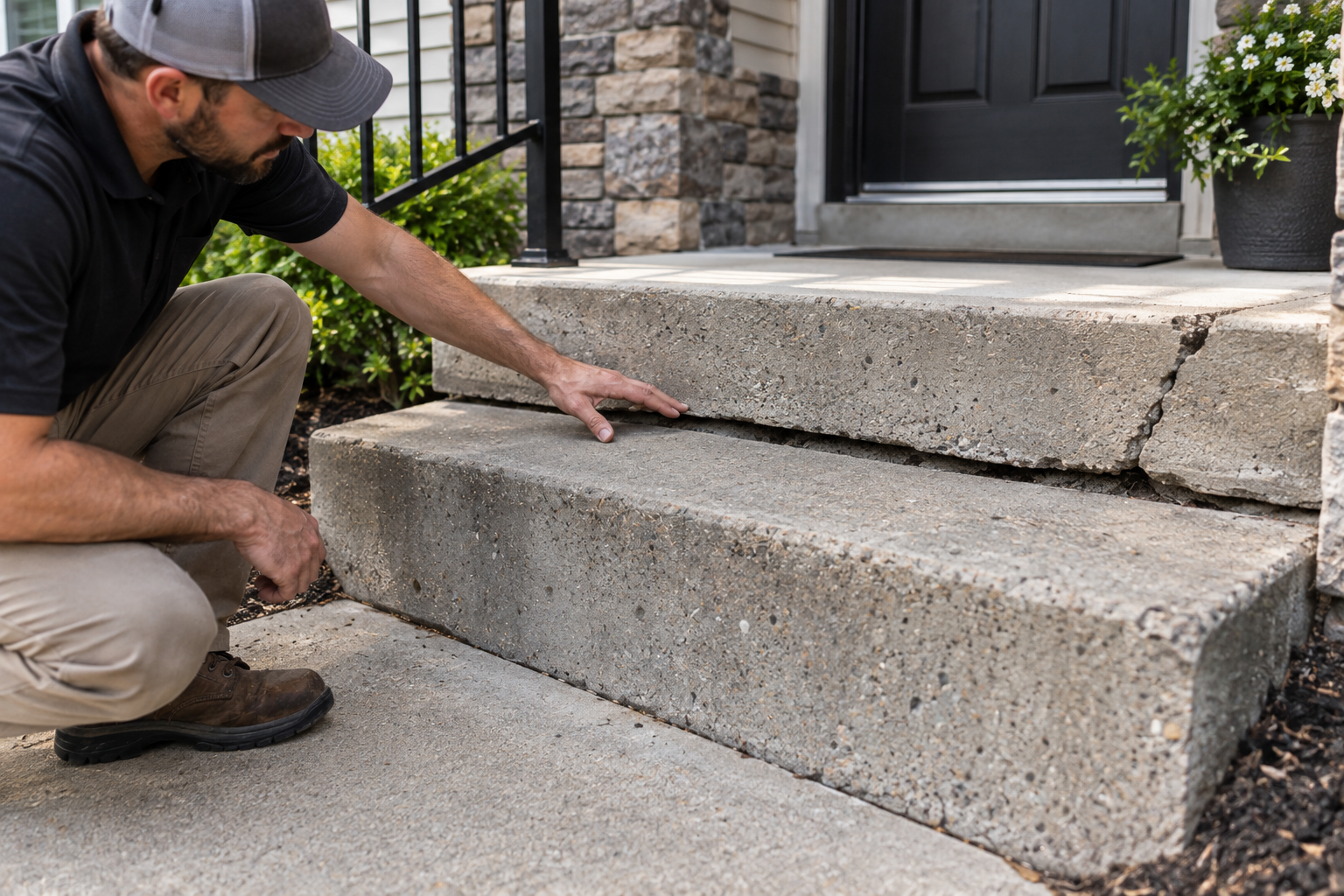
Fresh cracks near a leveled slab, open joints, or gaps around the edge suggest the foundation below might still be shifting. These signs can be especially worrying near porches, steps, and entryways where movement can cause safety and structural concerns. If your front entry is uneven, it might be time to consider porch repair or similar leveling options before things get worse.
Poor drainage around the property
Standing water, overflowing gutters, and soggy soil near the slab all increase the risk of future settlement. Even the best repair can fail if the area stays wet. Homeowners can often improve outcomes by extending downspouts, regrading soil, and sealing cracks. These fixes don’t replace leveling, but they do make it more likely the repair will last.
How to Make Concrete Leveling Last Longer
Address drainage before or during repair
The best way to make your concrete leveling last is to fix the underlying issues. That means dealing with water runoff, improving slope, clearing gutters, and making sure downspouts don’t dump water right next to the slab. In many cases, the contractor should check the whole area before suggesting a repair. A quick look can show if a driveway, sidewalk, or patio is failing because of a small drainage problem or something bigger.
Seal cracks and maintain joints.
Cracks and open joints let water reach the soil below. Over time, that moisture can soften the support layers and cause more settling. Sealing cracks helps stop water from getting in and can slow erosion around the slab's edges. It’s a simple maintenance step, but it can make a big difference over the life of the repair. For tips on weather-related maintenance, check out our guide on how weather affects concrete.
Keep heavy loads off vulnerable slabs.
Some concrete areas aren’t built for heavy traffic, especially if settlement has already weakened the base. Parking large vehicles on a residential driveway, stacking materials on a garage approach, or putting heavy equipment near a slab edge can make things worse. If a surface handles heavy loads, a more specialized solution might be needed. For example, commercial places might benefit from factory floor repair or other focused structural services.
Schedule an inspection when new issues appear
If you notice a slight slope, a new crack, or a fresh gap after a repair, don’t ignore it. Catching issues early is usually cheaper and more effective. A quick inspection can show whether the problem is cosmetic or structural. Often, a small adjustment or drainage fix can keep the original leveling work intact for years.
Real-World Examples and What They Teach Us
Home driveway restoration
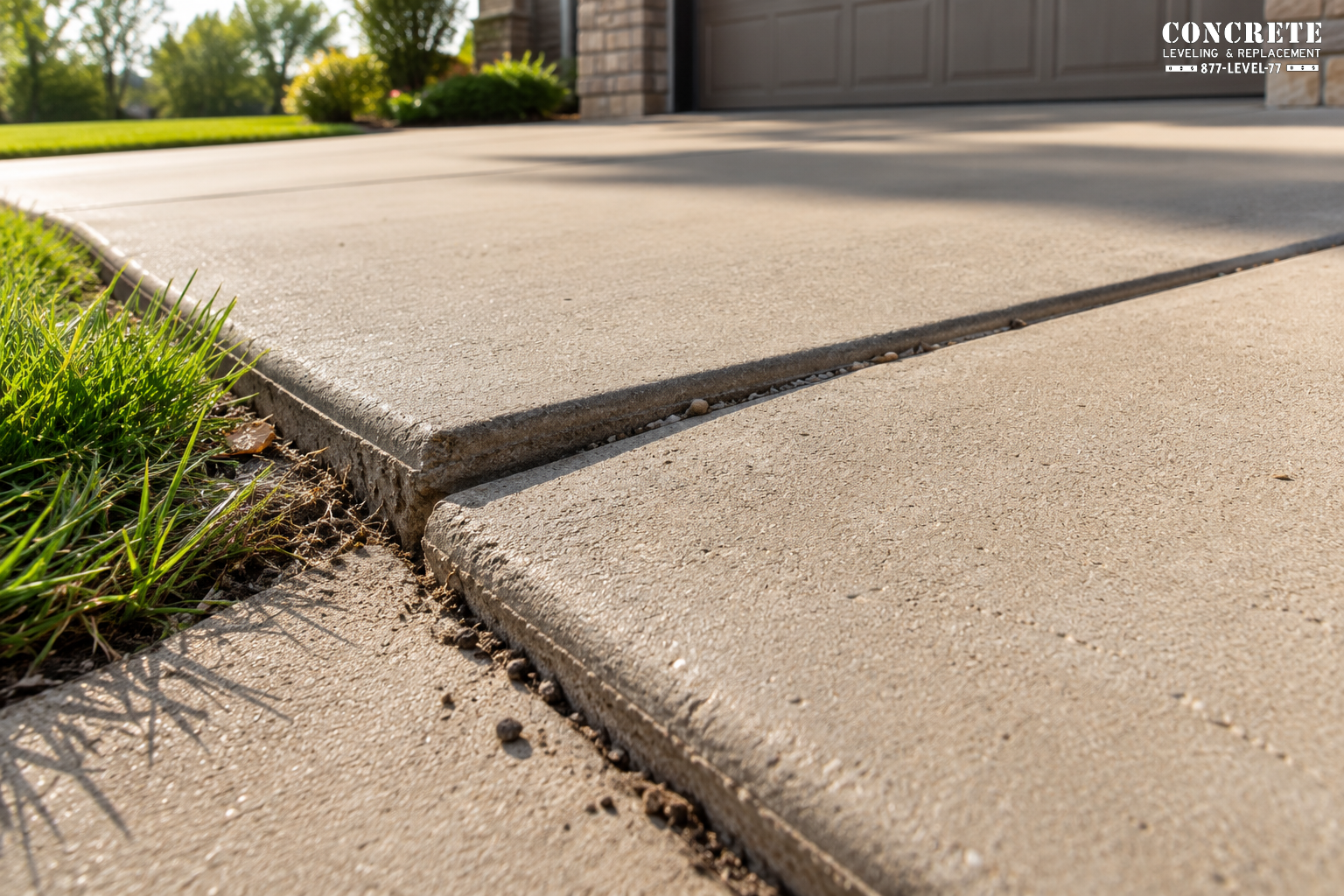
A homeowner with a sunken driveway might choose leveling instead of replacement because the slab is still intact, but the edge has dropped enough to create a bump at the garage. After leveling, the driveway becomes safer, easier to clear snow from, and looks better. If drainage is fixed and the soil is stable, that repair could last for decades. This is why concrete leveling is often seen as a smart investment, not just a quick fix.
Sidewalk and trip-hazard reduction
Sunken sidewalks are common around homes, apartments, and commercial properties. Lifting those slabs improves accessibility and reduces liability concerns. In many cases, a sidewalk repair job can extend the service life of the concrete by many years while making the property safer for guests and visitors. The leveling process is often the fastest way to restore a smooth walking surface without full replacement.
Patio and outdoor living areas
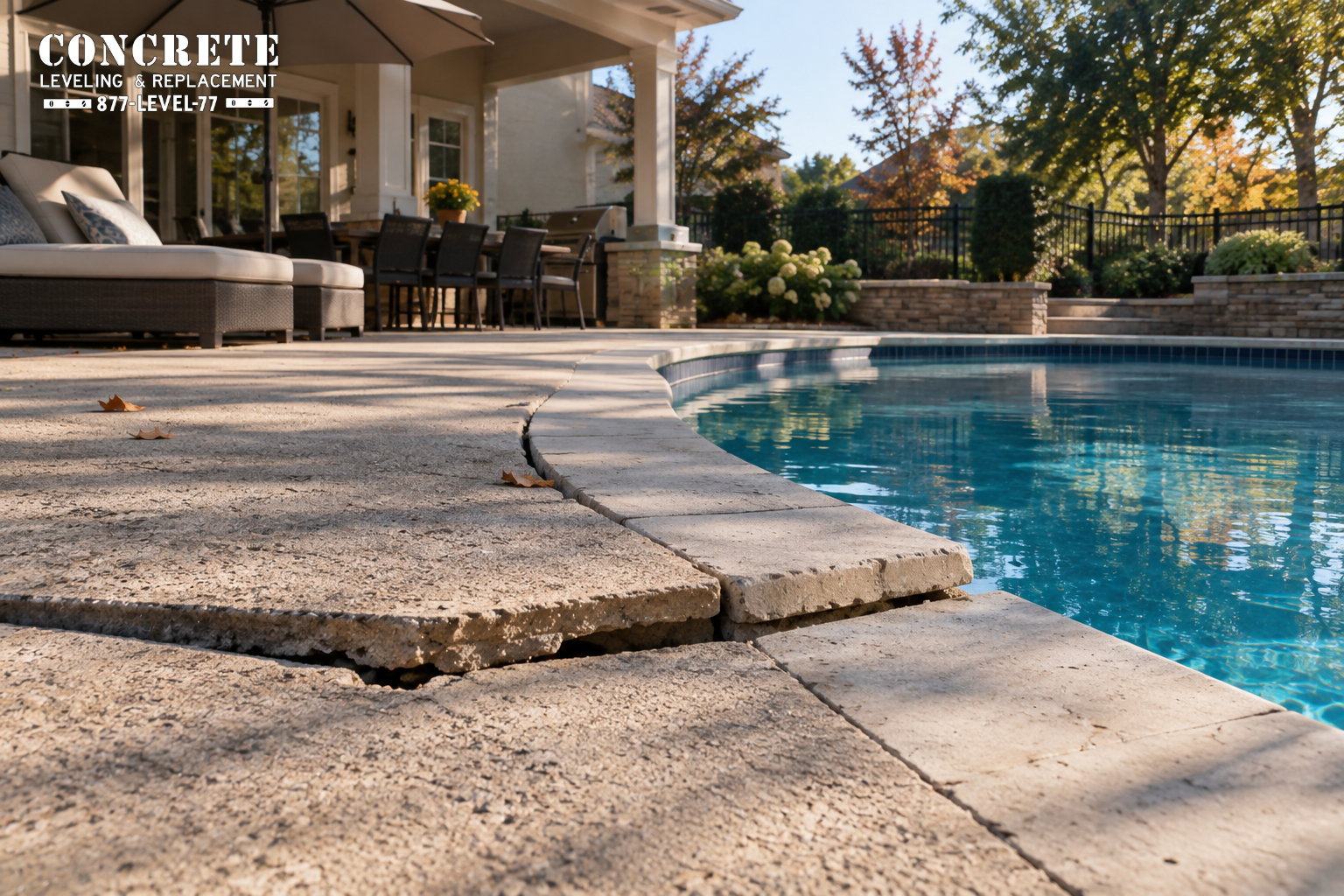
Patios often settle because of soft fill soil or inconsistent compaction beneath the slab. Once lifted, a patio can regain its original slope for drainage and become usable again. If the surrounding landscape is also pulling water toward the slab, the repair may need to be paired with grading improvements. In these outdoor settings, leveling can preserve both comfort and curb appeal for a long time.
When Leveling Is Enough and When Replacement Makes More Sense
Good candidates for leveling
Concrete leveling is usually a strong option when the slab is structurally sound, the settlement is localized, and the surface has not broken apart. If the concrete is basically intact and only the support beneath it has failed, lifting it may restore function at a fraction of replacement cost. For many residential and commercial projects, this is the ideal balance of value and performance.
Sign replacement may be needed.
If the slab has severe cracking, widespread spalling, major delamination, or a deteriorated base that cannot support the surface, replacement may be the better long-term answer. Leveling cannot repair concrete that has already lost too much structural integrity. In those situations, a contractor may recommend replacing the most damaged sections and leveling the surrounding areas. This blended approach often provides the best return.
How to get an honest evaluation
An honest inspection should explain why the slab moved, whether leveling will solve the problem, and what maintenance will be needed afterward. At Concrete Leveling & Replacement, our crew focuses on practical recommendations based on what the property actually needs. Because we do not use commission-based sales incentives, our evaluations are centered on durability, safety, and value. That approach helps customers decide whether leveling, repair, or replacement is the best path forward.
Frequently Asked Questions About Concrete Leveling Longevity
How long does concrete leveling last on average?
Most concrete leveling repairs last anywhere from 5 to over 50 years, depending on the method used and the conditions beneath the slab. Mudjacking often falls at the lower end of that range, while polyurethane foam frequently lasts longer. The real answer depends on soil stability, water management, climate, and maintenance.
Does foam leveling always last longer than mudjacking?
Not always, but it often does in moisture-prone or unstable environments. Foam is lighter and more resistant to erosion, which makes it a strong choice for many modern applications. That said, the best method still depends on the slab and site conditions. A properly installed mudjacking repair can still last a long time if the base is stable and dry.
Can leveled concrete settle again?
Yes, it can, especially if the underlying issue is not corrected. Settlement may happen again if water continues to wash out soil, if the area remains poorly compacted, or if heavy loads repeatedly stress the slab. Preventive maintenance is one of the most effective ways to reduce that risk.
Is concrete leveling worth it for older slabs?
In many cases, yes. If the concrete is still in decent condition, leveling can restore function and appearance without the cost of replacement. Older slabs with intact structure often respond well to repair, particularly when the settlement is localized. A thorough inspection can help determine whether the slab has enough life left to justify leveling.
Conclusion: Making Your Concrete Repair Last
Concrete leveling can be a durable, cost-effective solution when it is matched to the right slab and supported by good site conditions. The most important factors are the method used, the stability of the soil, drainage, climate exposure, and ongoing maintenance. Polyurethane foam often delivers the longest-lasting results, but even traditional mudjacking can perform well when the underlying cause of settlement has been addressed.
If you want your repair to last, start with a detailed evaluation, fix drainage issues, seal cracks, and keep an eye out for early warning signs. For property owners dealing with sinking driveways, sidewalks, patios, porches, or interior slabs, the right repair can restore safety and extend the life of the concrete for many years. To learn more or request an assessment, explore our concrete leveling services, review our service areas, or contact our team for honest guidance on the best repair for your property.
Ready to restore your concrete and protect it for the long term? Contact Concrete Leveling & Replacement today to schedule a professional inspection and get practical recommendations you can trust.