Fixing Sunken Concrete Early Can Save You Money
Sunken concrete might seem like a minor issue at first, but it can quickly lead to bigger problems if left unchecked. What starts as a small dip in your driveway, patio, sidewalk, or porch can become a tripping hazard, a drainage issue, or even cause stress to your home's structure. Whether you're a homeowner or running a business, the best approach is to tackle the problem early. By addressing it promptly, you can avoid a bigger repair bill down the line.
With modern methods like concrete leveling, fixing sunken slabs is now more practical and affordable than ever. Often, you can restore the level of your concrete without the need for a complete replacement. This not only saves money but also maintains the look and function of your property. Research shows that fixing these issues early can provide the best return on investment, especially when the problem is caused by shifting soil, water intrusion, or settlement. The longer you wait, the more costly the repairs can become.
This guide will help you understand why ignoring sunken concrete is a bad idea, how early repairs save money, the most effective repair methods, and the warning signs that indicate you should call a pro. We'll also touch on the importance of drainage, soil, climate, and practical tips to prevent future problems.
Why Sunken Concrete Becomes a Costly Problem
Small Settlement Leads to Big Structural Stress
Concrete doesn't just sink without reason. It often starts with the soil beneath it shifting or eroding. When the support weakens, the slab can tilt, crack, or sink. A small dip today might not seem like a big deal, but it can lead to pressure points that cause damage to joints and nearby structures over time.
That's why experts recommend early intervention. According to the U.S. Department of Housing and Urban Development, proper moisture management and site conditions are key to long-term concrete performance. Water pooling beneath a slab can quickly undermine its base, leading to failure. Ignoring early signs often means more extensive work later, like replacing the slab instead of a simple lift-and-level repair.
Minor Repairs Cost Less Than Major Reconstruction
The cost difference between early concrete leveling and full replacement can be significant. Concrete leveling can cost around $3 to $10 per square foot, while full replacement often ranges from $8 to $20 per square foot, depending on various factors. That gap widens when you factor in demolition, disposal, permits, and cleanup.
It's not just about the direct costs either. Once a slab sinks far enough to affect drainage or nearby structures, additional expenses can follow. These might include grading corrections, soil stabilization, joint repair, or fixing water damage. Addressing the issue early helps keep the project manageable and costs down.
The Most Cost-Effective Repair Methods Today
Polyurethane Foam Injection: A Game Changer
Polyurethane foam injection is a significant development in concrete repair. It involves using expanding foam to fill voids beneath a slab and lift it back to its original position. The foam cures quickly, so you can use the repaired area sooner compared to older methods. This makes it especially useful for busy surfaces like driveways and walkways.
The foam's moisture resistance and durability make it a strong long-term solution, often lasting over 20 years. For those needing concrete driveway repair, foam injection offers a quicker and less disruptive option than demolition. It also preserves landscaping and nearby structures, keeping costs lower.
Mudjacking: Still a Valuable Option
Mudjacking remains a solid option for many situations. It involves pumping a cement-based slurry beneath the slab to raise and support it. In the right conditions, it can be both effective and economical, especially for thicker slabs or large areas. However, the extra weight of the material and larger injection holes might not be suitable for all applications.
Choosing between mudjacking and foam injection depends on the slab's condition, site access, soil type, and more. A skilled evaluation can determine whether the issue is surface settlement or something more complex. For targeted repairs, services like sidewalk repair or patio repair might be the best route to ensure safety and manage costs.
Early Warning Signs You Shouldn’t Ignore
Uneven Slabs, Pooling Water, and Visible Cracks
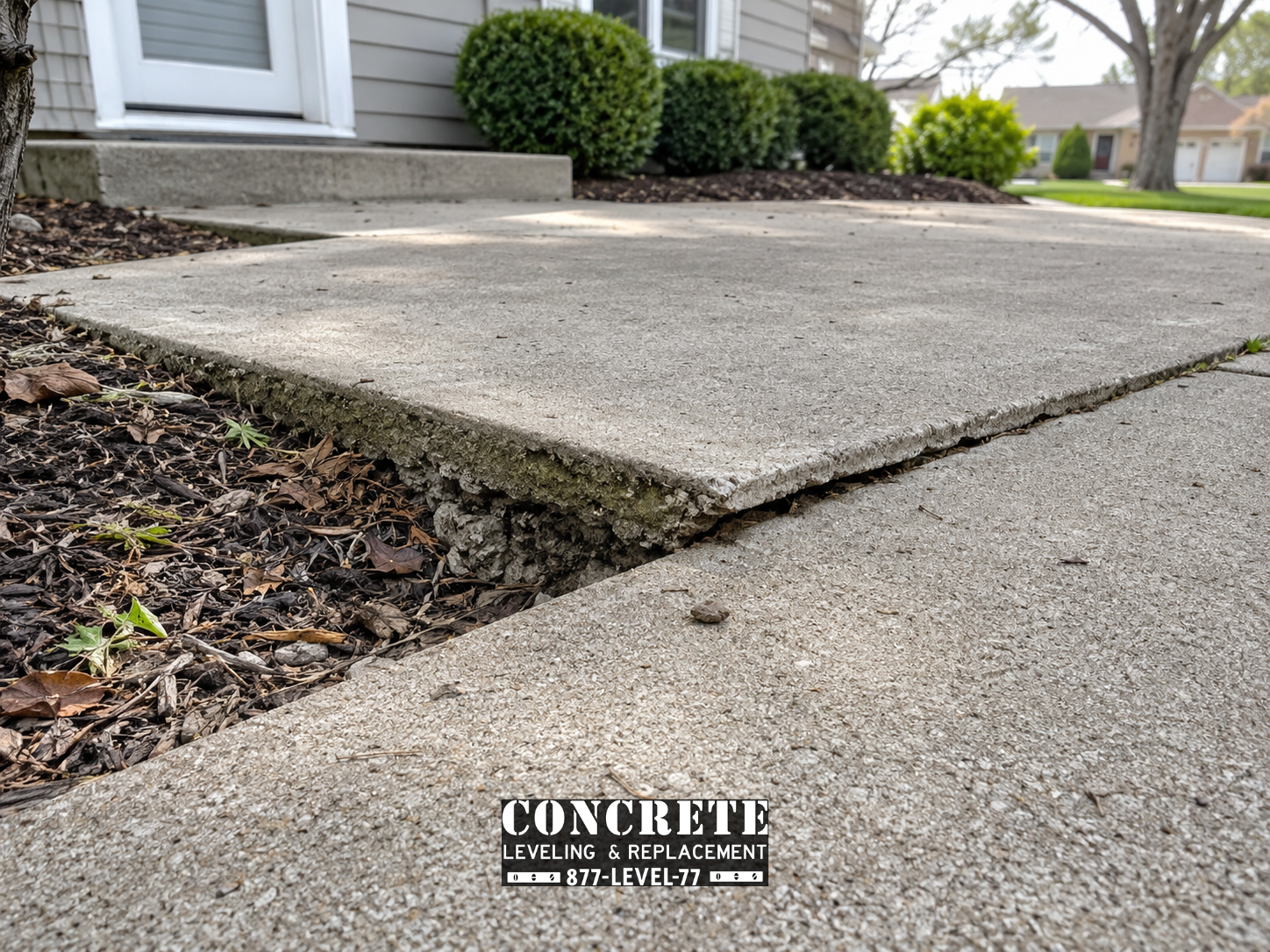
Most costly concrete failures start with visible clues. If you notice one part of a slab sitting lower, water pooling in new spots, or cracks growing after rain, these are signs that the base might be failing. These symptoms often appear first around driveways, garage floors, porches, and sidewalks.
According to industry data, a small crack that costs around $175 to fill today can later turn into a structural issue costing thousands to fix. That's why early inspections are crucial. Even if the damage looks cosmetic, it's worth checking if the slab is moving or affecting drainage patterns.
Doors, Joints, and Nearby Finishes Can Signal Trouble
Sometimes, it's not the concrete that shows the first signs of trouble. Doors that stick, gaps forming at baseboards, or cracks in nearby masonry can indicate settlement beneath nearby concrete. In commercial spaces, uneven floors can affect equipment movement and safety. In homes, it can make entry and exit more difficult and increase liability risk.
If you notice these symptoms, it's worth getting a professional evaluation before things escalate. A repair plan might involve interior floor repair, garage floor repair, or leveling of a connected exterior slab. Early diagnosis often prevents a simple fix from becoming a whole-property project.
How Early Repairs Protect Safety and Property Value
Trip Hazards Create Real Risks
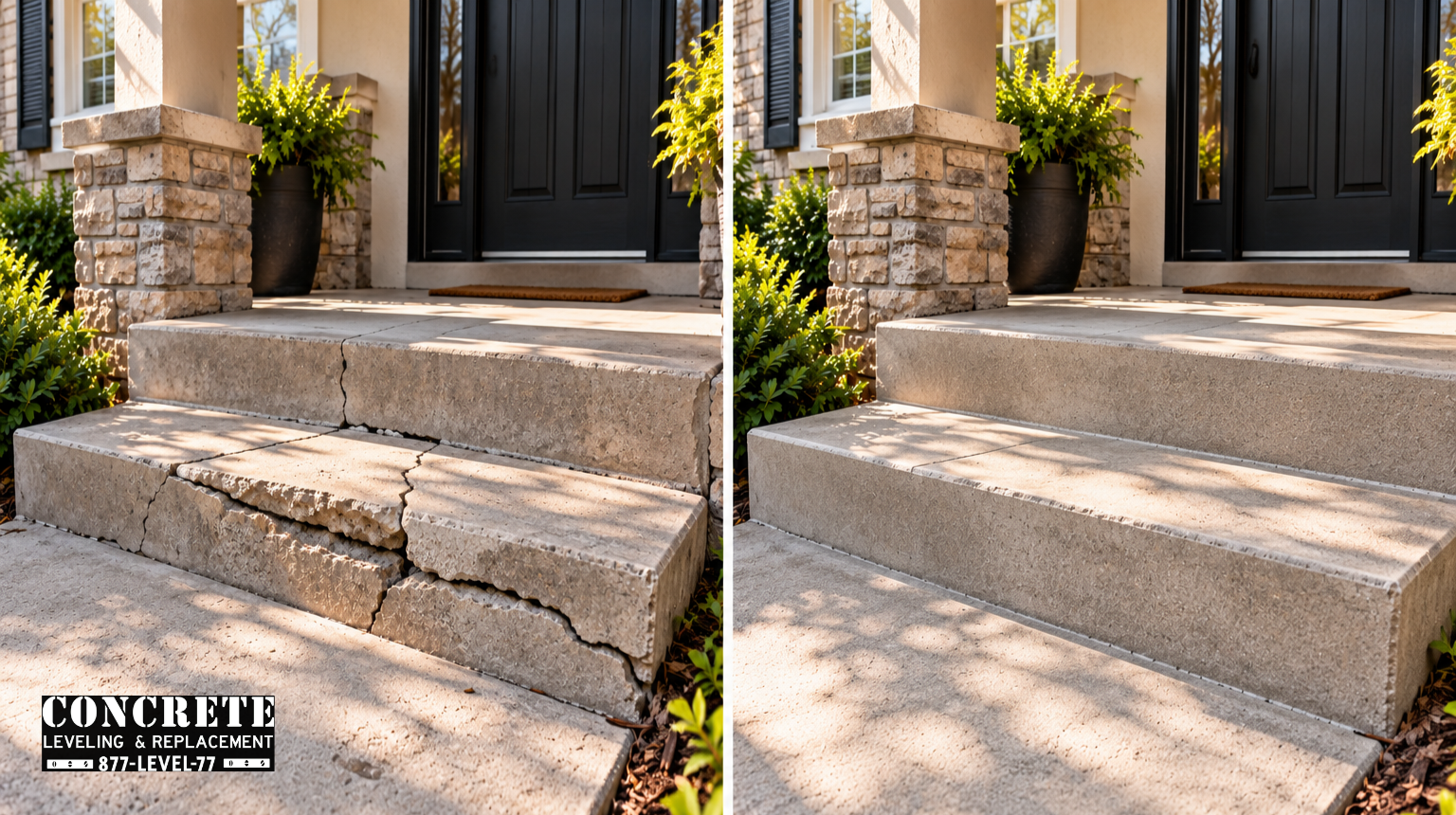
Uneven concrete isn’t just unattractive; it’s a safety hazard. A raised edge on a sidewalk or sunken step can cause someone to trip, leading to potential injuries and liabilities. For businesses, this can affect customer confidence. Even on private property, a fall could result in costly medical bills and legal troubles.
Services like step repair and porch repair are best handled early, before deterioration compromises safety. A level surface also facilitates easier maintenance and improves ADA accessibility, adding value beyond the repair itself.
Well-Maintained Concrete Boosts Curb Appeal
First impressions matter. A sloping driveway or a patio tilting toward the house can quickly reduce curb appeal. Potential buyers often notice these issues, which can suggest bigger maintenance concerns. Even if the rest of the property is in great shape, obvious concrete problems can lower perceived value and lead to negotiation issues during a sale.
Fixing concrete early helps maintain your property’s appearance and usability, avoiding larger repairs later. For properties where first impressions count, like commercial storefronts, early repair supports both safety and reputation. Often, leveling the slab is enough to restore the area’s look and function without the cost and downtime of replacement.
Why Delaying Repairs Usually Raises the Bill
Water and Soil Issues Get Worse with Time
Sunken concrete becomes more expensive as time goes on because the original cause usually doesn't resolve itself. If water is washing soil away from beneath the slab, each heavy rain can make the void larger. Poor grading directing runoff toward the concrete can cause ongoing damage. Freeze-thaw cycles can further worsen the situation by expanding moisture in the soil.
This is especially relevant in Michigan, where weather changes can be hard on slabs. A small issue in spring can become a bigger concern by winter. For more information on moisture control, check out advice from the U.S. Department of Energy and soil-related insights from Michigan State University Extension.
Neglect Leads to Replacement
Repairing a slab early can extend its life significantly. But if the damage is ignored, the slab might crack too much or become too unstable for leveling. At that point, replacement might be the only option, which involves more labor and material costs.
Reports suggest early intervention might cost between $2,000 and $10,000 depending on the job size, while severe delays can drive costs into the $50,000 to $200,000 range for bigger structural issues. The cheapest repair is usually the one done before the problem spreads, which is why regular inspections and prompt action are smart.
Local Factors That Make Early Action More Important
Freeze-Thaw Cycles Can Exacerbate Problems
In colder climates, freeze-thaw cycles can add stress to already weakened slabs. Water entering small openings, freezing, and expanding can worsen the defect. Over time, this can increase cracking and cause slabs to shift further out of level.
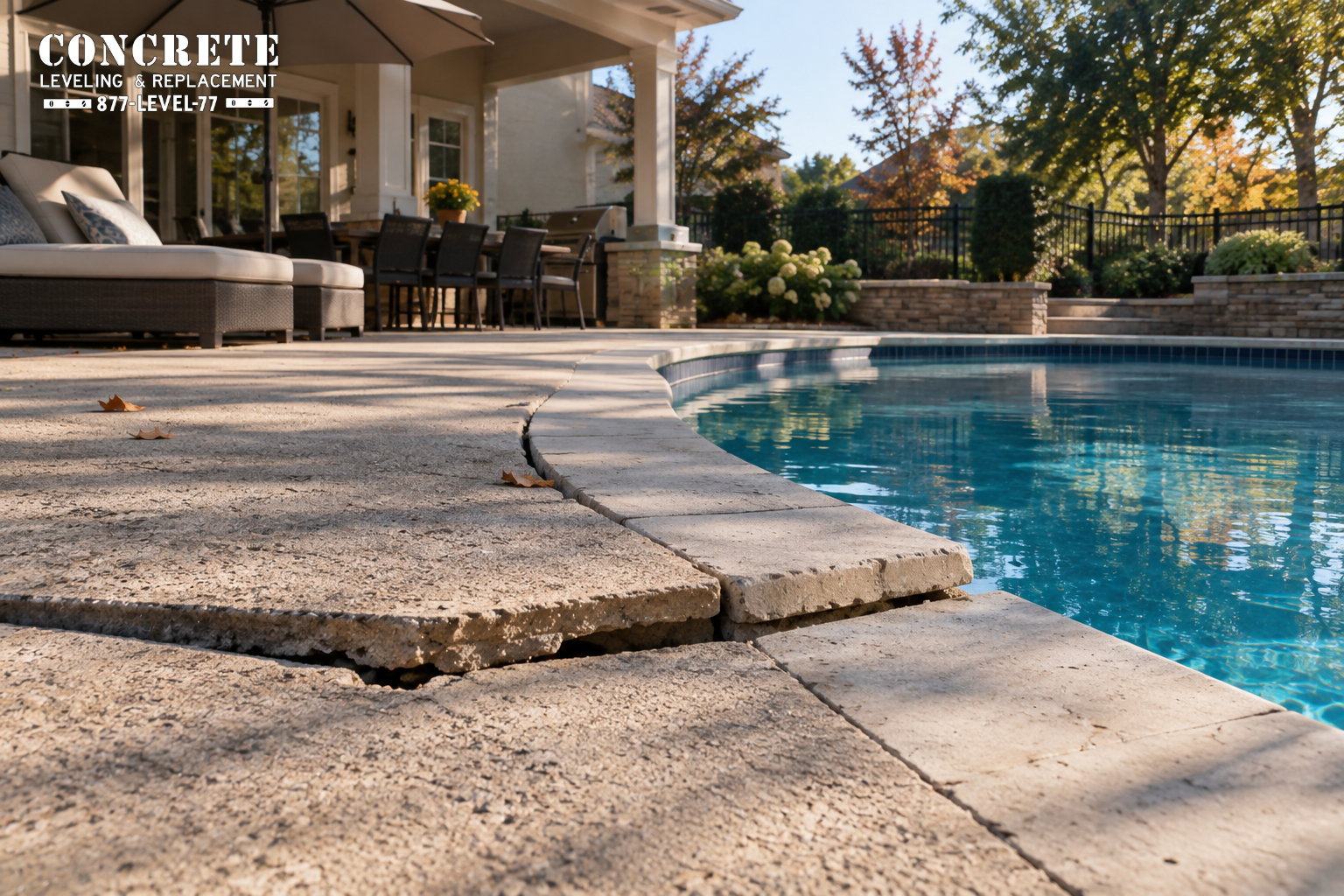
This makes preventative repair crucial for properties with exposed concrete surfaces like walkways and driveways. For evaluating problem areas, concrete floor repair and concrete pool deck repair can restore safe use and reduce future maintenance needs. Local climate considerations should always be part of the repair decision.
Drainage and Grading Often Start the Problem
Many sunken slabs are symptoms of a larger site issue. If downspouts discharge too close to the slab or if grading slopes toward it, soil may wash away over time. That's why repair pros often check beyond the slab itself and look at the surrounding landscape and drainage patterns.
Preventing future settlement often includes better water management and sealing problem joints. For more on water effects, check out our article, How to Keep Water from Wrecking Your Concrete. Tackling the source early helps repairs last longer and reduces repeat work.
A Real-World Example of Saving Money with Early Repair
Tulsa Case Study Shows the Value of Timing
In Tulsa, Oklahoma, homeowners with sunken driveways and patios opted for concrete leveling instead of replacement. The result? A restored surface at a fraction of the cost, with less disruption to their property and routine. Early action allowed the surface to be corrected before cracks widened or edges crumbled.
That kind of result is common when the slab is still sound enough to lift. Early action minimizes downtime, which matters for both residential convenience and commercial operations. Quick repairs often mean lower indirect costs, especially when business access or parking remains available during the project.
What the Case Study Teaches Property Owners
The takeaway? Addressing repairs in time can save both the slab and the budget. Waiting too long can turn a manageable job into a major replacement. If you’re unsure whether your slab is a candidate for leveling, consider a professional assessment before the damage becomes extensive.
For residents and businesses in the region, our team offers practical solutions tailored to site conditions and the actual state of your concrete. This approach helps avoid unnecessary replacement and focuses on the repair that makes the most sense.
How to Prevent Future Sunken Concrete
Start with Proper Installation and Compaction
Prevention begins long before a slab starts to sink. Proper subgrade preparation, soil compaction, and drainage design all influence how well concrete performs over time. If the soil is too loose or wet at installation, settlement is more likely. A stable foundation from the start gives the slab a better chance of staying level for years.
These principles are especially important for new work or replacing damaged sections. For properties needing more targeted attention, catch basin repair and curb & gutter repair can improve drainage and reduce washout chances. Preventive work may not feel urgent, but it often pays off by reducing the odds of expensive repairs later.
Maintain Drainage and Inspect Regularly
Routine inspections are a great way to save money. Check after storms, snowmelt, and seasonal changes for new cracks, pooling water, or edges that appear to drop. Ensure gutters, downspouts, and grading direct water away from your concrete, and monitor trees or landscaping for root pressure or soil disturbance.
Think of concrete like your roof or HVAC system: small issues are cheaper to fix early than after they spread. Regular attention helps extend the lifespan of driveways, sidewalks, patios, and garage slabs. It also helps determine whether an issue is cosmetic or structural, improving decision-making when repairs are needed.
When to Call a Professional for an Inspection
Look for Multiple Signs Instead of One Isolated Crack
One small crack might not mean a slab is failing. But when cracking is paired with sinking, drainage issues, or separation from adjoining surfaces, it’s time for a professional opinion. An experienced technician can determine whether the slab needs leveling, patching, drainage correction, or replacement. The right repair can save money and solve the actual problem.
At Concrete Leveling & Replacement, we focus on honest evaluations and practical solutions. Our crews serve homeowners and businesses across Michigan, and we base recommendations on the property’s needs, not commissions. This approach protects your budget while ensuring the repair suits the concrete and soil conditions.
Choose a Repair Plan that Matches the Damage
Sometimes, the best repair combines services. A sunken driveway might need leveling, while surrounding water issues require grading corrections. A porch might need lifting and joint repair, or a sidewalk may need leveling plus a broken section replaced. Matching the solution to the damage helps avoid repeat work.
For a broader view on concrete performance and repair options, check out our related article, why sunken concrete is more than a cosmetic issue. Understanding settlement effects helps in making cost-effective decisions.
Frequently Asked Questions About Sunken Concrete
Is Concrete Leveling Effective?
Yes, concrete leveling can be very effective when the slab is in good enough condition to lift. It restores elevation, improves safety, and often extends the life of the concrete without needing a full replacement. Results are best when the underlying cause is addressed as part of the repair plan.
Can I Level Concrete Myself?
Small indoor floor issues might be manageable for experienced DIYers, but most outdoor slabs need professional equipment and materials. Large driveways, patios, sidewalks, and porches are best handled by trained crews who understand lifting pressure and structural limitations. DIY attempts can worsen the problem if the slab cracks or lifts unevenly.
How Do I Know Whether I Need Repair or Replacement?
If the slab is still structurally intact, leveling may be enough. If the concrete is badly broken, heavily deteriorated, or unstable, replacement might be the better option. A professional inspection is the quickest way to determine which choice makes financial sense.
How Can I Prevent Future Sinking?
Good drainage, proper compaction, and regular maintenance are your best defenses. Keep water away from the slab, inspect for early movement, and repair small issues before they grow. Preventative care is almost always cheaper than waiting for major damage.
Conclusion: Early Action Protects Your Budget and Your Property
Sunken concrete is one of those problems that gets more expensive the longer it's ignored. Early repair helps protect structural integrity, reduce safety risks, preserve curb appeal, and avoid the added cost of replacement. Whether it's a driveway, sidewalk, patio, porch, or garage floor, addressing it promptly usually gives you more options and a better return on your investment.
If you're noticing settling, cracking, or drainage issues around your property, now is the time to act. Professional evaluation can reveal whether concrete leveling is the right solution or if another repair method will provide better long-term value. For homeowners and businesses in Romulus and surrounding Michigan communities, our team is ready to help with straightforward recommendations and durable repair options.
Don't wait for a small dip to become a major expense. Contact Concrete Leveling & Replacement at (734) 895-3820 or email sales@concretelevelingpro.com to schedule an inspection and protect your property before the damage spreads.