How Patio Leveling Can Bring New Life to Your Outdoor Space
An uneven patio isn't just an eyesore; it can also be a safety risk. Cracks, puddles, and sloped areas limit how you enjoy your backyard. But there's hope! Leveling your patio can bring it back to its former glory, both in look and function. If you're on the fence about whether to repair it, let's explore how leveling works, why patios settle, and how a pro can help.
For those wanting a fix without a complete overhaul, patio leveling is often the best bet. It can make the area safer, improve how water drains, and give you a flat surface for dining, relaxing, and entertaining. If your issues stretch beyond just the patio, check out services like concrete leveling and patio repair to tackle other concerns before they turn into major headaches.
Your outdoor space isn't just for show; it can boost your home's value more than you think. The National Association of Realtors points out that exterior upgrades can greatly sway buyer opinions. A level, safe, and appealing patio makes a strong first impression and enhances your daily enjoyment.
Why Leveling Your Patio Matters
Safety First
The top reason to level a patio is safety. Uneven surfaces can trip up anyone, especially kids or those carrying food and drinks. Even a slight height difference can pose a risk to kids, older folks, and anyone walking across it.
Keeping your outdoor area safe isn't just about comfort; it's a liability issue too. The CDC reports that falls are a major cause of injury, which is why surface hazards at home need attention. Leveling a patio reduces risks and makes the space more enjoyable for everyone.
Better Drainage for Longevity
An uneven patio can lead to water pooling in low spots instead of draining away. This standing water can stain concrete, lead to freeze-thaw damage, and weaken the ground underneath. Over time, this can cause even more sinking or cracking.
Good drainage is key to keeping concrete in shape. According to the Federal Highway Administration, water movement and drainage conditions affect pavement durability, and patios are no different. Once leveled, water can flow away naturally, lowering the chances of further settling.
Instant Comfort and Looks
Your patio should feel like an extension of your home, not a place where you have to be cautious. When it's level, furniture sits right, grills stay stable, and gatherings are more relaxed. Plus, a flat patio looks cleaner and more intentional.
Many are surprised at how much a leveled patio transforms their backyard. New surface alignment can enhance landscaping and make fences, steps, and walkways look better connected. If nearby areas also show movement, you might want to consider sidewalk repair or driveway repair too.
What Causes Patios to Settle?
Soil and Compaction Issues
Most patios settle because the ground beneath them changes over time. If the base wasn't compacted properly or if water washes away soil, the slab can start sinking. This slow process often goes unnoticed until the patio shifts noticeably.
Poor soil compaction is only part of it. Once gaps form under the concrete, the slab can move and widen cracks. If you notice soft or hollow areas around the patio, the support may be failing and needs checking.
Freeze-Thaw Cycles
In colder areas, concrete expands and contracts through freeze-thaw cycles. Water gets into pores, freezes, expands, and then thaws, stressing the slab and the soil beneath it. Even a well-installed patio can be affected by these seasonal forces.
This wear is common in places with fluctuating temperatures and wet springs. Over time, freeze-thaw cycles can make a patio tilt, so timely repair is crucial. Waiting too long can mean more damage to fix than just an uneven surface.
Drainage and Grading Problems
Sometimes the patio isn't the problem. If water flows toward it, soil can erode underneath, causing the concrete to settle. Gutters, downspouts, and landscaping slopes can all affect where water goes after rain.
For a lasting fix, address moisture sources. This might mean extending a downspout or improving yard drainage. Related runoff issues might need catch basin repair or curb & gutter repair on larger properties.
How Patio Leveling Works
Inspection and Diagnosis
The first step is a thorough inspection of the patio and surrounding area. Contractors look for cracks, joint separation, and drainage patterns to see how much settling has occurred. The goal is to raise the slab and understand why it moved.
Not every patio issue is the same. Minor settlement might just need lifting, while severe damage could require partial replacement. An honest evaluation helps you choose the right solution without guessing.
Leveling Methods
Most patios are repaired using mudjacking or polyurethane foam injection. These methods fill voids and lift the slab back into place. Done right, the process can restore the surface without removing and replacing concrete.
For a closer look at modern methods, check out this article on foam injection for concrete repairs. The right method depends on slab thickness, soil conditions, and the extent of settlement. A professional can help choose the best option.
Post-Lift Cleanup
Once the patio is raised, any access points are sealed, and the surface is checked for stability. Joints might be caulked, and drainage concerns reviewed before finishing up. Pairing lifting with prevention measures gives the best results.
You'll love how quickly the area becomes usable again. In many cases, you can walk on the patio soon after, minimizing disruption. This quick turnaround is why leveling is often preferred over full replacement when the slab is still sound.
When to Consider Patio Leveling
Visible Sinking or Sloping
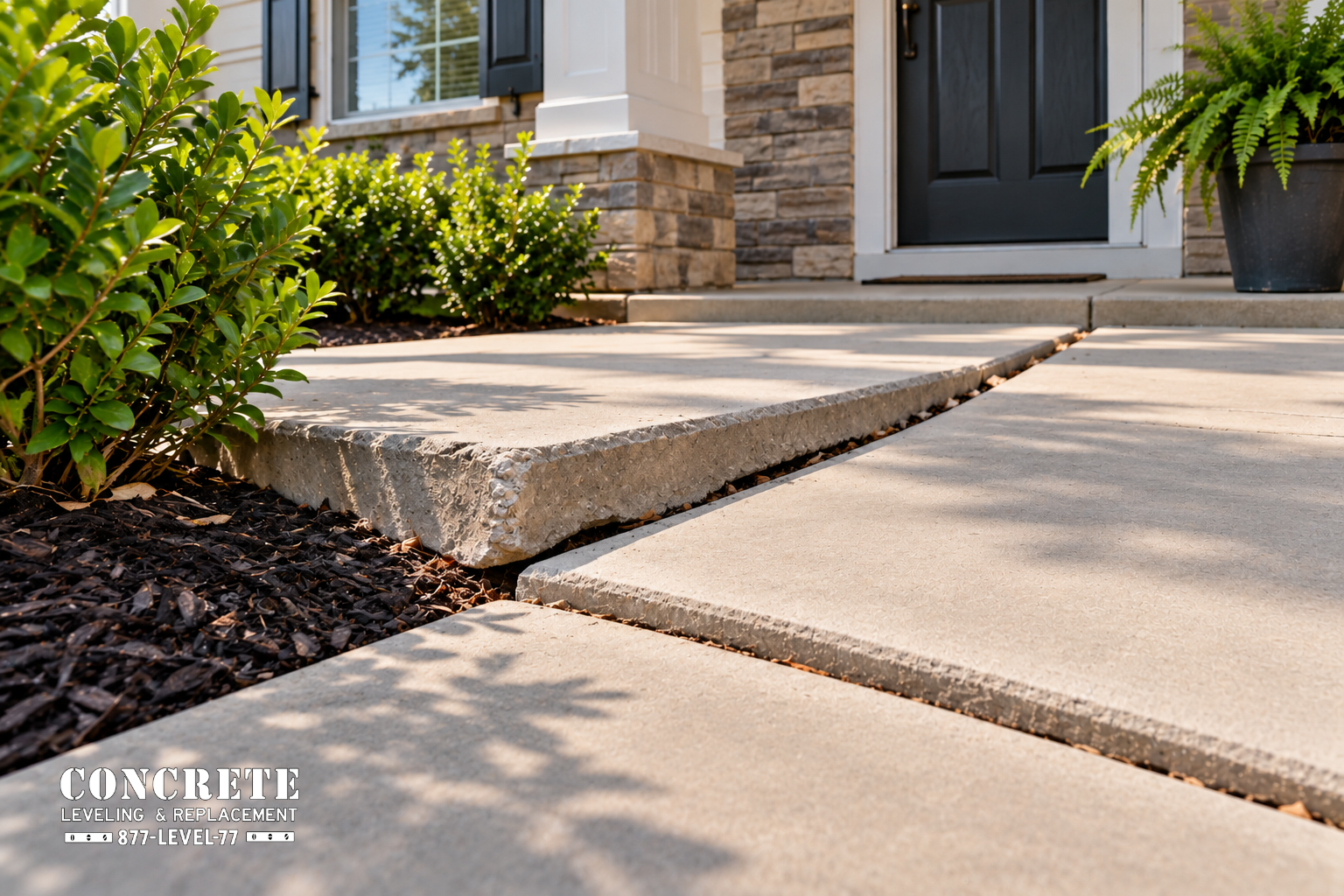
If part of your patio sits lower than the rest, it's time to act. You might see water pooling or notice furniture leaning. If a chair wobbles or a table isn't level, the patio has likely moved more than you think.
Even small changes can hint at ongoing settlement. Addressing it early makes it easier to fix. A minor adjustment today could prevent a bigger repair down the line.
Cracks and Gaps
Cracks in concrete are common, but they're concerning when they widen or separate. Gaps along the edge or between slabs suggest movement underneath. If these are paired with a slope, it's time for professional help.
For more on crack severity, check out this guide on concrete cracks. Not every crack means replacement, but active movement shouldn't be ignored. An evaluation can help decide between leveling or replacement.
Awkward Transitions
Patios often connect to porch slabs or steps. If transitions feel off, the patio may have settled enough to create an edge. This can affect comfort and safety, especially in busy areas.
If nearby structures are also affected, inspect them together. Related work like porch repair or step repair can help restore smoother transitions.
Benefits of Leveling Over Replacement
Cost and Convenience
Replacing a patio is often pricier than leveling it, especially if the slab is in good shape. Demolition, new materials, and curing time add up fast. Leveling fixes the issue without major construction.
For many, the cost difference is key. Leveling is less messy, noisy, and time-consuming. If you want to enjoy your space soon, repair is the way to go.
Keep the Original Design
Older patios might have a unique shape or finish. Lifting instead of replacing keeps the original design while fixing usability issues. This is especially useful if the patio borders landscaping or custom masonry.
Preserving the original structure also maintains continuity with other outdoor features. If your yard includes a pool deck or entertaining space, repair might be better than full replacement.
Boosts Property Value
A level patio shows the property is well cared for. Potential buyers notice outdoor areas, and a neat surface can improve the yard's overall feel. While patio repair might not be the biggest project, it often has a big impact on presentation.
This is especially true if the patio is visible from main living areas. A smooth surface and clean transitions create a more polished look. In real estate, small exterior improvements can boost buyer confidence by suggesting fewer hidden issues elsewhere.
What to Expect During a Professional Patio Leveling
Getting Ready
Before lifting, the crew identifies access points and checks for obstacles. Good prep helps the project run smoothly and prevents unnecessary damage. Expect a chat about the patio’s history, drainage, and trouble spots.
Communication matters because each patio is unique. A trustworthy contractor explains what they find, what they recommend, and why. This transparency shows the repair is based on real conditions, not a one-size-fits-all approach.
Efficient Lifting
During leveling, small injection points are made to place material under the slab. This lifts the concrete to the desired height. Professionals make careful adjustments to avoid overcorrection.
For those comparing repair strategies, leveling is both a technical and diagnostic process. If the patio is too damaged to stabilize, a good contractor will say so. This honesty is one reason to work with a team that evaluates your real needs.
Cleanup and Care
After repair, the area is cleaned, and the patio is checked for stability. You’ll get advice on when to resume use and how to monitor the area. The best results come from combining professional work with sensible upkeep.
Maintenance includes keeping water away from slab edges, sealing joints, and watching for movement after rain or seasonal changes. If you also have a driveway or walkway showing signs of movement, addressing all concrete concerns together might be more efficient. Services like driveway repair and garage floor repair can help round out a maintenance plan.
Keeping Your Patio Level Longer
Manage Water
Water is a big threat to concrete stability, so good drainage is crucial. Keep gutters clear, extend downspouts, and ensure landscaping slopes away from the slab. These steps can greatly reduce erosion underneath.
Seasonal maintenance matters too. After storms, check for puddles, soil washout, or mulch buildup along the patio edge. Catching drainage issues early can prevent more settlement.
Reduce Stress on Concrete
Heavy items on the edge of a settled patio can worsen the problem. Distribute large items like fire pits and planters carefully, especially if the slab has moved before. Even normal use can stress concrete when support is compromised.
If your layout includes multiple concrete features, consider if one repair can help others. A coordinated approach can reduce stress and improve the whole space. A repaired patio alongside a solid floor repair strategy creates a more stable environment.
Inspect When Needed
Small changes are easier to fix than big ones. If you see new cracks, a fresh slope, or water pooling, have the patio checked. Early repair is usually cheaper than waiting until the slab becomes unusable.
For those in Michigan, local weather can speed up wear and settlement. If you're in or near Romulus, checking your patio after winter and heavy rain is a smart habit that can save money and extend the surface's life.
FAQs About Patio Leveling
How Long Does It Last?
When the cause is fixed, patio leveling can last for years. Durability depends on soil, drainage, slab condition, and repair quality. A good contractor will tell you if the patio is a strong candidate for long-term stability.
Can Every Patio Be Leveled?
Not all patios can be lifted. If the concrete is badly broken or thin, replacement might be better. But many patios with sinking or cracks can be repaired successfully.
Does Leveling Fix Drainage?
Leveling can improve drainage by removing low spots, but it doesn't always solve the source of water issues. If runoff comes from gutters or hardscapes, fix those too. A full solution usually combines surface repair with better water management.
Repair or Replace?
The best way to decide is through a professional inspection. Repair is often recommended when the slab is mostly intact with settlement or voids. Replacement is better for structural failure or repeated repairs.
Get Your Outdoor Space Back
Patio leveling doesn't just fix an uneven slab. It restores safety, improves drainage, and helps make your backyard a true living space again. For many, it's the difference between avoiding the patio and enjoying it every day.
If you're ready to explore options, start with an evaluation of the concrete and surroundings. A professional team can determine whether leveling, repair, or replacement is right and give you a clear plan. If your patio is part of a bigger concrete issue, services like concrete leveling can be combined with targeted repairs to restore the entire area.
With over 25 years in concrete leveling and mudjacking, plus over 20 years in concrete replacement, our team at Concrete Leveling & Replacement works across Michigan. We base our recommendations on what your property really needs. For an honest evaluation and to get your outdoor space back in shape, call (734) 895-3820 or visit Concrete Leveling & Replacement today.