Why Sidewalks and Driveways Shift Over Time
Sidewalks and driveways don’t just move for one reason. Usually, it’s a mix of soil, water, weather, and how much they’re used. When a slab starts to settle, rise, tilt, or crack, what you see is often just the tip of the iceberg.
Knowing why concrete shifts over time helps you catch problems early and pick the right fix before small issues turn into big headaches. If you’re noticing uneven surfaces, trip hazards, or gaps near joints, solutions like concrete leveling and driveway repair can often restore safety and function without needing to tear everything out. For more options, our sidewalk repair team can help tackle shifting concrete right at the source.
According to the U.S. Department of Agriculture Natural Resources Conservation Service, soil structure, drainage, and moisture changes play a huge part in how the ground behaves. This matters because concrete is only as stable as the soil underneath. In this guide, we’ll cover the most common reasons sidewalks and driveways move, how to spot warning signs, and what to do next.
How Concrete Shifting Begins
Soil Compression and Settlement
One of the main reasons sidewalks and driveways shift is settlement. Over time, the soil beneath a slab compresses due to natural weight, vibration, and changing moisture. If the subgrade wasn't compacted well during construction, the slab can start sinking unevenly over the years. This is especially common in areas where fill dirt was used or where the ground has experienced repeated freezing and thawing.
Settlement doesn’t always happen all at once. Often, one corner of a slab drops slightly, creating a subtle slope that later becomes a noticeable trip hazard. Homeowners often notice doors scraping, water pooling, or one section of concrete sitting lower than the rest. These early signs are crucial because they often indicate a support problem rather than just a surface crack.
Voids Under the Slab
When water washes soil away, or air pockets develop beneath concrete, voids can form. These empty spaces leave the slab without support, so even normal foot traffic or vehicle weight can cause movement. Driveways are especially vulnerable because they carry heavy loads, while sidewalks often show the effects first near edges and joints. Once a void grows large enough, the concrete can crack, rock, or sink suddenly.
Concrete leveling is often used to fill those gaps and stabilize the slab. The goal isn’t just to lift concrete back into place, but to restore the support it lost. That’s why inspecting the base material matters just as much as the visible damage on top.
Water: A Major Player in Concrete Movement
Drainage Problems
Poor drainage is one of the biggest reasons sidewalks and driveways shift. When rainwater flows toward a slab instead of away from it, the soil underneath becomes softer and more prone to erosion. Over time, water can carry fine particles away from the base, leaving the concrete unsupported. Even a small grading issue around a home can cause a long-term concrete problem.
If you see pooling water after storms, it’s worth checking both surface runoff and gutter discharge. The U.S. Environmental Protection Agency stresses that managing stormwater effectively is key to reducing erosion and protecting nearby structures. If water keeps collecting along a driveway edge or near a sidewalk seam, that area may shift first.
Downspouts and Repeated Saturation
Downspouts that empty too close to concrete can slowly saturate the ground and weaken the soil structure. During heavy rain, water may rush along the same path each time, gradually carving out channels beneath slabs. This can happen near front walks, garage aprons, porches, and patios where runoff is concentrated. The result is often a pattern of sinking that follows the direction of water movement.
Repeated saturation also changes how clay and silty soils behave. They expand when wet and shrink when dry, creating movement under the slab. Over time, this cycle can cause the concrete to tilt, crack, or separate at the joints. Fixing those drainage issues early can greatly reduce the chance of future repairs.
Why Soil Type and Ground Conditions Matter
Expansive Clay and Shrink-Swell Behavior
Some soils are naturally more prone to movement than others. Clay-rich soil, for example, absorbs water and expands, then contracts when it dries out. That constant swelling and shrinking places stress on concrete slabs above it. In climates with wet springs and dry summers, the movement can become even more pronounced.
When concrete rests on expansive soil, one side of a slab may move differently than the other. That uneven motion creates slope changes, visible offsets, and stress fractures. If the soil beneath a sidewalk is unstable, it may look fine for years before showing major movement after heavy rain or drought. That’s why understanding soil behavior is so important when evaluating repairs.
Loose Fill, Poor Backfill, and Soil Erosion
Not every slab is installed on naturally stable ground. Some are built over fill dirt, disturbed soil, or backfill that wasn’t compacted enough. In those cases, the material settles over time and creates a lower base level. This often happens near utility work, home additions, driveways extended after the original build, or sidewalks installed over recently disturbed ground.
Soil erosion can also happen slowly from underground water movement, lawn irrigation, or melting snow. Even when the surface looks dry, the ground below can still be washing away little by little. If a slab has shifted because the base changed, the repair must address both the symptom and the cause to last. For property owners considering a broader fix, concrete floor repair and related slab services can be part of a more complete solution.
Weather Changes Impact Concrete
Freeze-Thaw Cycles
In cold climates, freeze-thaw cycles are a major force behind concrete movement. Water enters tiny cracks, joints, or porous areas in the soil below the slab. When temperatures drop, that water freezes and expands, pushing materials apart. When it thaws, the ground loosens again, and the process repeats. Over many winters, this can create noticeable shifting.
The Federal Highway Administration has long recognized freeze-thaw damage as a key factor in pavement deterioration, and the same principle applies to sidewalks and driveways. Concrete is durable, but repeated temperature swings can strain both the slab and the support system underneath it. This is especially true when water is allowed to sit near the concrete surface.
Heat, Drought, and Soil Contraction
Warm weather can be just as damaging as winter. During hot, dry periods, soil can contract and pull away from the underside of the slab. That creates small voids that weaken support, especially near edges and control joints. Later, when the soil becomes wet again, it may expand unevenly and shift the slab in a new direction.
This back-and-forth cycle is why concrete problems often seem to appear "out of nowhere." In reality, the movement has been developing slowly through multiple seasons. If your sidewalk or driveway changes height after a hot summer or a harsh winter, the weather likely played a part.
Quality of Construction Matters
Base Preparation
Even the best materials will fail if the foundation beneath them is weak. A properly installed slab should rest on a compacted, stable base that supports the concrete evenly. When that base is thin, uneven, or poorly prepared, the slab becomes more vulnerable to settlement and cracking. This is one reason two driveways of the same age can look very different.
Good construction matters at every stage, from excavation to compaction to finishing. If shortcuts were taken during installation, the slab may begin shifting much sooner than expected. Homeowners often assume the concrete itself is defective when the real issue is what was not done underneath it. That’s why experienced contractors focus on both the visible damage and the structural cause.
Slab Thickness and Joint Placement
Concrete that is too thin for its intended use is more likely to move or break under load. A driveway that regularly supports vehicles needs a different design than a sidewalk built for foot traffic. Joint placement also matters because control joints help concrete crack in predictable ways. If joints are poorly placed or absent, stress can spread unevenly and make movement worse.
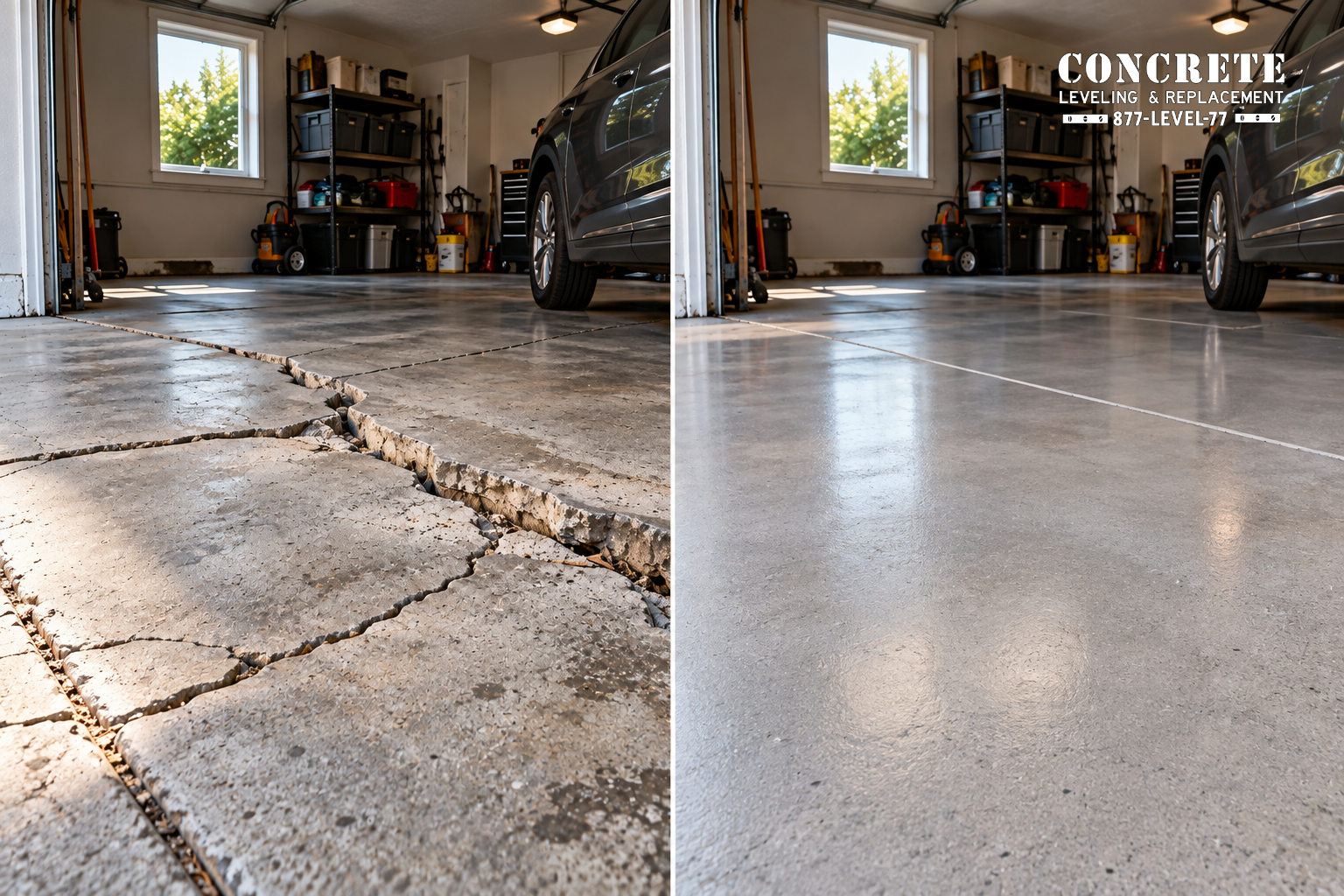
When evaluating repairs, it helps to understand whether the original slab design matched the use of the space. For example, a garage apron or front entry may need stronger reinforcement than a lightly used patio. If you’re already comparing repair options, services like garage floor repair or porch repair may be relevant depending on where the movement is occurring.
The Impact of Heavy Use
Vehicle Loads and Vibration
Driveways take more stress than many people realize. Each vehicle adds weight, but the repeated movement of turning, braking, and parking also creates vibration and lateral force. Over time, that stress can worsen an existing weak spot or speed up the collapse of a soil void. Larger vehicles like delivery trucks or work vans can cause even more strain.
Concrete near garage entrances, curb transitions, and tight turning areas is often the first to show signs of movement. If the soil is already compromised, normal vehicle traffic can speed up the damage. That’s why timely driveway repair can prevent a small issue from becoming a bigger structural problem.
Foot Traffic and Edge Wear
Sidewalks don’t carry cars, but they still face constant use. Repeated foot traffic, lawn equipment, bikes, and snow removal tools create wear around edges and seams. If one section has settled even slightly, the next hard impact can make the offset more obvious. Curbs, walkway corners, and entry pads are common trouble spots because they often combine traffic, weather exposure, and soil stress.
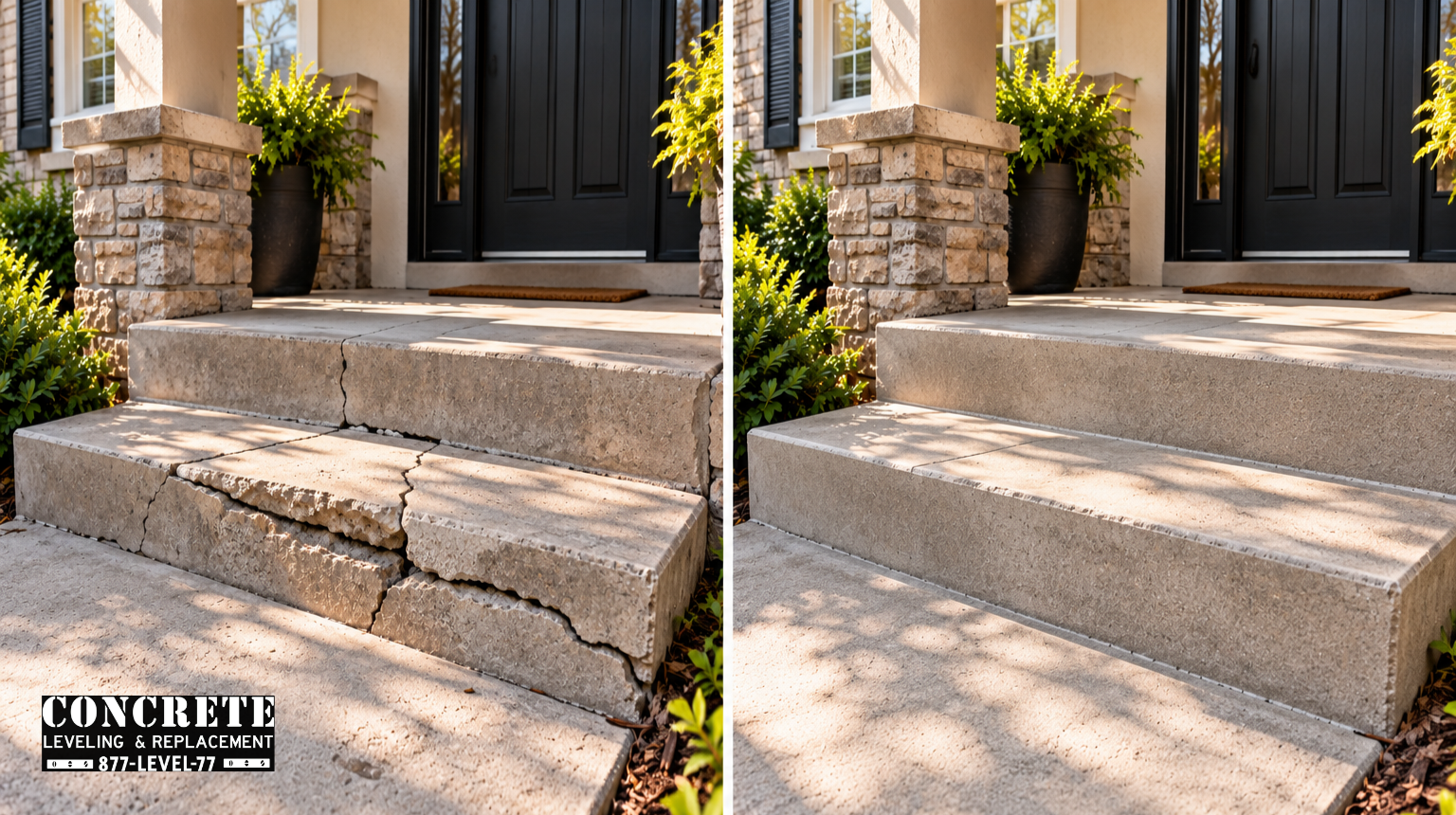
For safer pedestrian access, step repair and sidewalk repair can address uneven transitions before they become a liability. In commercial settings, these repairs also help reduce the risk of falls and improve accessibility for visitors and employees.
Signs Your Concrete Might Be Shifting
Warning Signs
The earliest signs of shifting are often subtle. You may notice one slab edge sitting higher than the next, small gaps opening at joints, or water collecting in new places after a storm. Cracks that keep widening, especially those that run across multiple slabs, can also indicate movement below the surface. If a door suddenly rubs against nearby concrete or a handrail seems lower relative to the walkway, it’s worth checking out.
Another sign is a rocking slab, where stepping on one part of the concrete causes it to move slightly. That usually means support has been lost underneath. If the issue affects a busy entrance or sloped surface, prompt attention matters because the hazard can worsen quickly. For more background on how movement develops, our related article on soil movement and concrete surfaces explains the process in more detail.
When Cosmetic Damage Becomes Structural
Not every crack means immediate failure, but shifting slabs often show a pattern. If cracks are paired with height differences, drainage issues, or ongoing settlement, the problem is probably structural rather than cosmetic. Hairline cracking alone may be harmless in some cases, but a slab that continues to move should be evaluated by a professional. Waiting too long can allow the damage to spread to adjacent sections.
Property owners sometimes try temporary patching first, but patch materials rarely solve unsupported concrete. They may hide the damage briefly while the underlying issue keeps growing. A more effective approach is to identify the cause, stabilize the slab, and then repair the surface once the movement is controlled.
Repair Options That Tackle the Cause
Concrete Leveling and Slab Stabilization
When a slab has sunk because the support underneath it failed, leveling can often restore the original grade. The process depends on the specific condition of the concrete and the extent of the voids beneath it. In many cases, this approach is faster and less disruptive than replacement. It also helps preserve the surrounding concrete that is still in good condition.
Our team at Concrete Leveling & Replacement evaluates each project carefully to determine whether lifting, repair, or replacement makes the most sense. Because our technicians are not paid commission, recommendations are based on the actual condition of the slab rather than a sales target. That approach helps homeowners and property managers make practical decisions with confidence.
Replacement When Needed
There are times when replacement is the better option. If concrete is severely broken, badly deteriorated, or structurally compromised throughout the slab, a new pour may offer better long-term value. Replacement can also make sense when the original thickness or layout no longer meets the needs of the property. The key is choosing replacement because it’s necessary, not because the problem was misdiagnosed.
That’s why an honest inspection matters. A good contractor should explain whether the issue is isolated, widespread, shallow, or deep. For some properties, a combination of driveway repair, patio repair, or pool deck repair may be the best path forward depending on how and where the slab has shifted.
Preventing Future Shifts
Improve Drainage
One of the best ways to protect concrete is to keep water moving away from it. Make sure downspouts discharge at a safe distance, lawn sprinklers aren’t soaking the slab edge, and soil slopes away from the structure. If water repeatedly collects near the same section, consider whether grading needs to be corrected. Small drainage adjustments can prevent major structural movement later.
It also helps to inspect joints and cracks regularly so water doesn’t keep entering the base. Sealing alone won’t solve every issue, but it can reduce how much water reaches vulnerable areas. Combined with proper slope and drainage control, this creates a much more stable environment for the slab.
Act Early
Early intervention almost always saves time and money. A slightly uneven sidewalk is easier to correct than one that has broken into multiple pieces or created a major trip hazard. If you notice settlement, it’s smart to have it reviewed before freeze-thaw cycles or heavy rain make the problem worse. This is especially important around entrances, driveways, and other high-traffic areas.
If you want a broader overview of long-term prevention, our article on why fixing sunken concrete early can save you money goes deeper into the cost side of the issue. The sooner the cause is addressed, the more likely you are to keep your existing concrete in service for many more years.
FAQs About Shifting Concrete
Why Do Sidewalks Shift More?
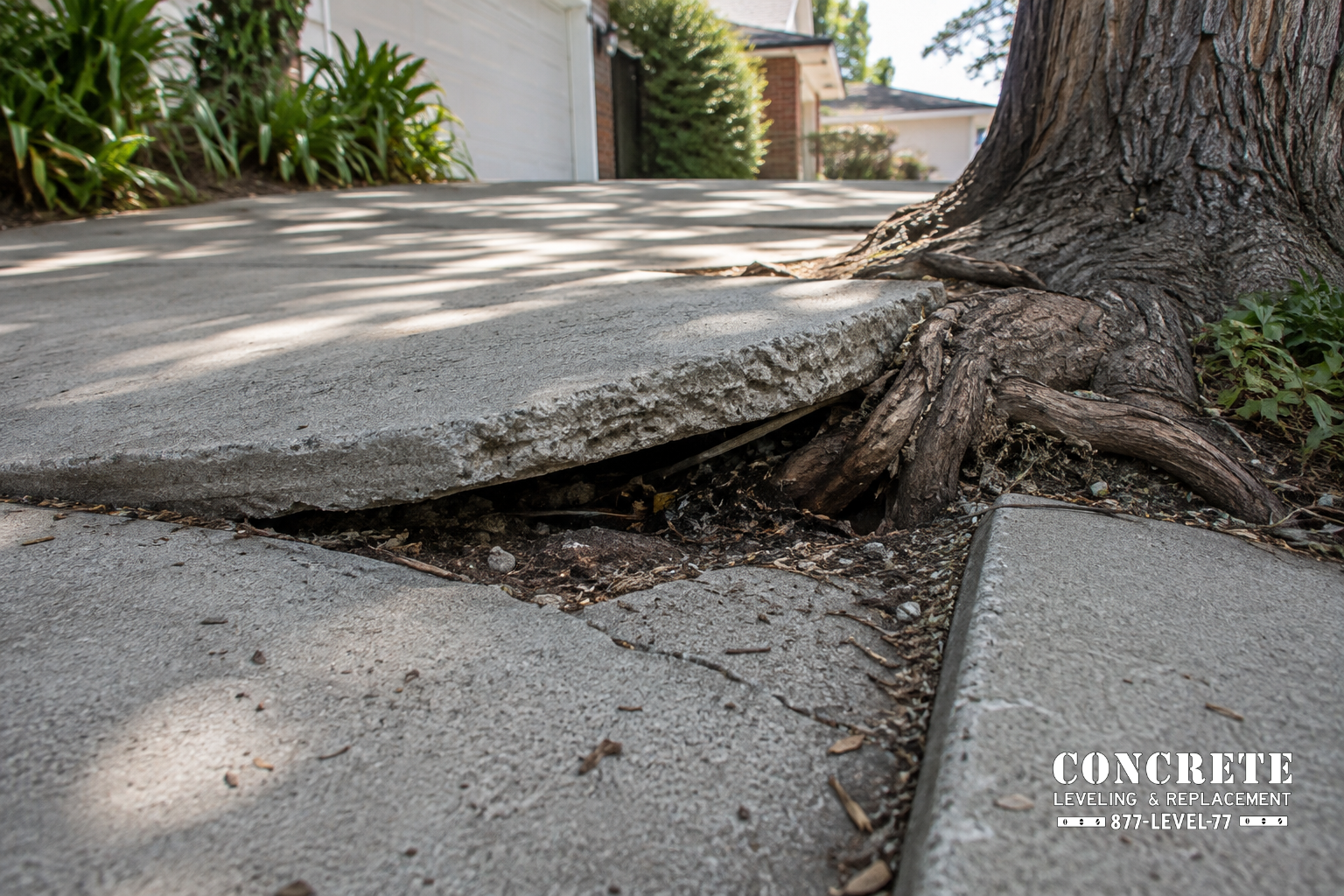
Sidewalks often shift because they’re thinner, narrower, and exposed to more edge-related movement than larger slabs. Tree roots, drainage patterns, and nearby soil changes can also affect them quickly. Since sidewalks are built for pedestrian use, even slight settlement becomes visible and can create a trip hazard.
Can Shifting Concrete Be Repaired Without Replacement?
Yes, many shifting slabs can be repaired without full replacement if the concrete is still structurally sound. Leveling and stabilization can restore function and appearance when the slab has settled but not completely failed. If the concrete is badly cracked or deteriorated, replacement may be a better long-term solution.
How Long Should Driveway Concrete Last?
There’s no single timeline because conditions vary so much. A well-installed driveway on stable soil with good drainage may perform well for decades, while a poorly prepared slab can begin moving much sooner. Soil quality, weather exposure, load demands, and installation methods all influence longevity.
What Should I Do First If I Notice a Slope?
Start by observing whether the problem is getting worse, especially after rain or a freeze-thaw cycle. Take photos, note where water collects, and look for cracks or separation at joints. Then schedule a professional evaluation so the root cause can be identified before the damage spreads.
Final Thoughts
Sidewalks and driveways shift for a combination of reasons, not just one isolated defect. Soil movement, poor drainage, freeze-thaw cycles, heavy use, and installation issues can all work together to weaken support under concrete. Once that support is lost, the slab begins to settle, tilt, crack, or separate. The good news is that early action can often prevent larger and more expensive repairs later.
If you’re seeing signs of movement around your home or business, our team can help you determine whether leveling, repair, or replacement is the right solution. From concrete leveling to targeted sidewalk repair, we focus on practical answers that improve safety and extend the life of your concrete. You can also explore our service area through Counties We Serve to see where our crews work across Michigan.
For a straightforward evaluation from an experienced, family-owned contractor, contact Concrete Leveling & Replacement at (734) 895-3820 or visit our website. The sooner you understand what is causing the shift, the sooner you can protect your property and avoid bigger problems down the road.